





The Ultimate Weather Safety Guide
Wondering how extreme weather affects your dog? Every year, thousands of dogs suffer from heatstroke and frostbite. Here is exactly what you need to know before stepping outside.
What is the 7-Second Rule for checking hot pavement?
Asphalt absorbs heat rapidly, soaring 40°F to 60°F hotter than air temperature. In full sun, a 77°F afternoon can spike pavement to 125°F, blistering paw pads in under 60 seconds. Always press the back of your bare hand firmly to the ground for 7 seconds. Be equally cautious with artificial turf, which can reach 140°F–160°F even faster than concrete.
What temperature is safe to walk a dog?
Temperatures between 50°F (10°C) and 70°F (21°C) represent the ideal thermal comfort zone. Above 70°F, always check relative humidity: dogs cool off primarily through evaporative panting, and humidity over 70% drastically impedes their cooling. Ambient temps over 85°F (29°C) are dangerous. In winter, caution begins below 45°F (7°C), while sub-20°F (-7°C) creates acute frostbite hazards.
What are the signs of heatstroke in dogs?
Dogs pant to regulate body heat. If your dog exhibits excessive panting, drooling, lethargy, or unsteadiness, stop immediately. Move to shade, offer water, and wet their paws and belly.
Are Some Breeds More at Risk?
Yes. Brachycephalic breeds (like Bulldogs and Pugs) cannot cool down efficiently and shouldn't walk in heat over 80°F (27°C), while also struggling with extremely cold air. Double-coated breeds (like Huskies) are insulated for freezing cold but trap heat quickly in summer. Short-coated breeds (like Greyhounds) dissipate heat well but are highly prone to hypothermia in winter.
What About Winter Hazards?
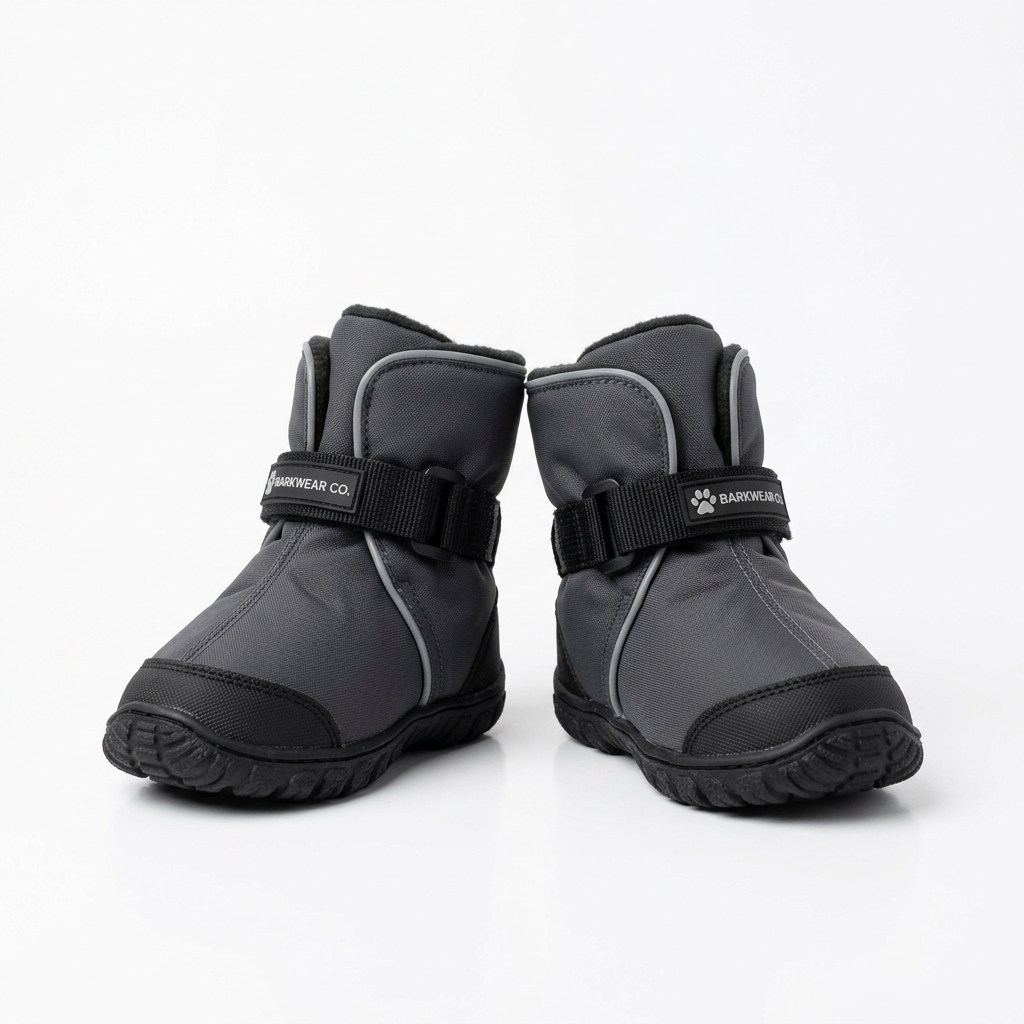
Winter hazards are just as real as summer heat. Temperatures below 32°F (0°C) pose severe frostbite risks to small breeds and thin-coated dogs. Furthermore, wet fur or damp snow collapses a dog's insulating undercoat, dropping their cold tolerance by 10°F to 15°F. Guard paws against hidden ice and caustic chemical de-icing salts with protective booties or post-walk paw rinses.
The Incredible Benefits of Dog Walking
Beyond just a bathroom break, daily dog walking provides immense physical and mental health benefits for both you and your furry best friend. Here's why you should leash up.
Physical Health & Weight Loss
Consistent dog walking is one of the easiest ways to combat pet obesity and improve cardiovascular health. Just 30 minutes a day promotes significant weight loss and lowers blood pressure for both dogs and owners, keeping joints healthy and extending their lifespan.
Mental Health & Behavior
The mental health benefits of dog walking cannot be overstated. For humans, it drastically reduces stress and anxiety. For dogs, exposing them to new sights and smells prevents boredom, directly reducing destructive behaviors like chewing, excessive barking, and separation anxiety.
Socialization & Bonding
A daily walk builds immense trust between you and your pet. It also provides crucial socialization for dogs, teaching them how to interact calmly with other pets, people, and environments. Well-socialized dogs are significantly less aggressive and more confident in unfamiliar situations.