When is it Safe to Walk a Great Pyrenees? Safe Temperature Range & Walking Tolerance Chart
Quick Answer: Great Pyrenees Safe Temperature Limits
Optimal safe walking range for the Great Pyrenees (Standard group, long double): 32°F to 69°F (0°C to 21°C), with acute thermal danger below 10°F (-12°C) or above 75°F (24°C).
Safe Walking Temperature Chart for Great Pyreneess
| Safety Level | Air Temperature | Action |
|---|---|---|
| 🔴 Danger Zone (Cold) | Under 10°F (-12°C) | Severe frostbite risk for Great Pyreneess. Avoid outdoor walks. |
| 🟡 Caution Zone (Cold) | 10°F - 31°F (-12°C - -1°C) | Limit Great Pyrenees outing duration; use winter gear. |
| 🟢 Safe Zone | 32°F - 69°F (0°C - 21°C) | Ideal weather window for normal Great Pyrenees exercise. |
| 🟡 Caution Zone (Heat) | 70°F - 74°F (21°C - 23°C) | Watch Great Pyrenees panting; test asphalt 7 seconds. |
| 🔴 Danger Zone (Heat) | 75°F+ (24°C+) | Acute Great Pyrenees heatstroke & pad burn danger indoors only. |
Veterinary Climate & Thermoregulation Profile
The Great Pyrenees was bred for centuries to guard livestock in the sub-zero alpine conditions of the Pyrenees Mountains. Their massive frame is protected by a weather-resistant double coat consisting of a coarse, straight outer layer and an extraordinarily dense, woolly undercoat. While this dense insulation allows them to comfortably patrol in snow and ice, it poses severe physiological challenges in warmer weather: their coat acts as a thermal trap that prevents metabolic heat dissipation, creating an elevated risk of heat exhaustion at temperatures exceeding 70°F (21°C).
Key Anatomical & Environmental Vulnerabilities
- Heavy double coat traps radiant heat: High risk of clinical heatstroke above 75°F (24°C). Never shave their coat, as top guard hairs reflect solar UV rays and prevent severe sunburn.
- Paw pad snowballing: Dense fur between toes and rear double dewclaws readily collect frozen slush, forming painful ice balls that can lacerate pad tissue.
- Giant breed orthopedic stress: Cold damp ground thickens synovial fluid in senior Pyrs, exacerbating canine hip dysplasia and arthritis.
In winter, allow extended walks down to 15°F (-9°C), but apply paw protection wax to prevent ice balling between rear dewclaws. In summer, restrict all walks to early morning hours before 8:00 AM, and provide shaded, air-conditioned rest zones.
Keeping Your Great Pyrenees Warm Indoors?
Compare certified heated orthopedic dog beds vs. self-warming thermal pads for joint & arthritis relief.
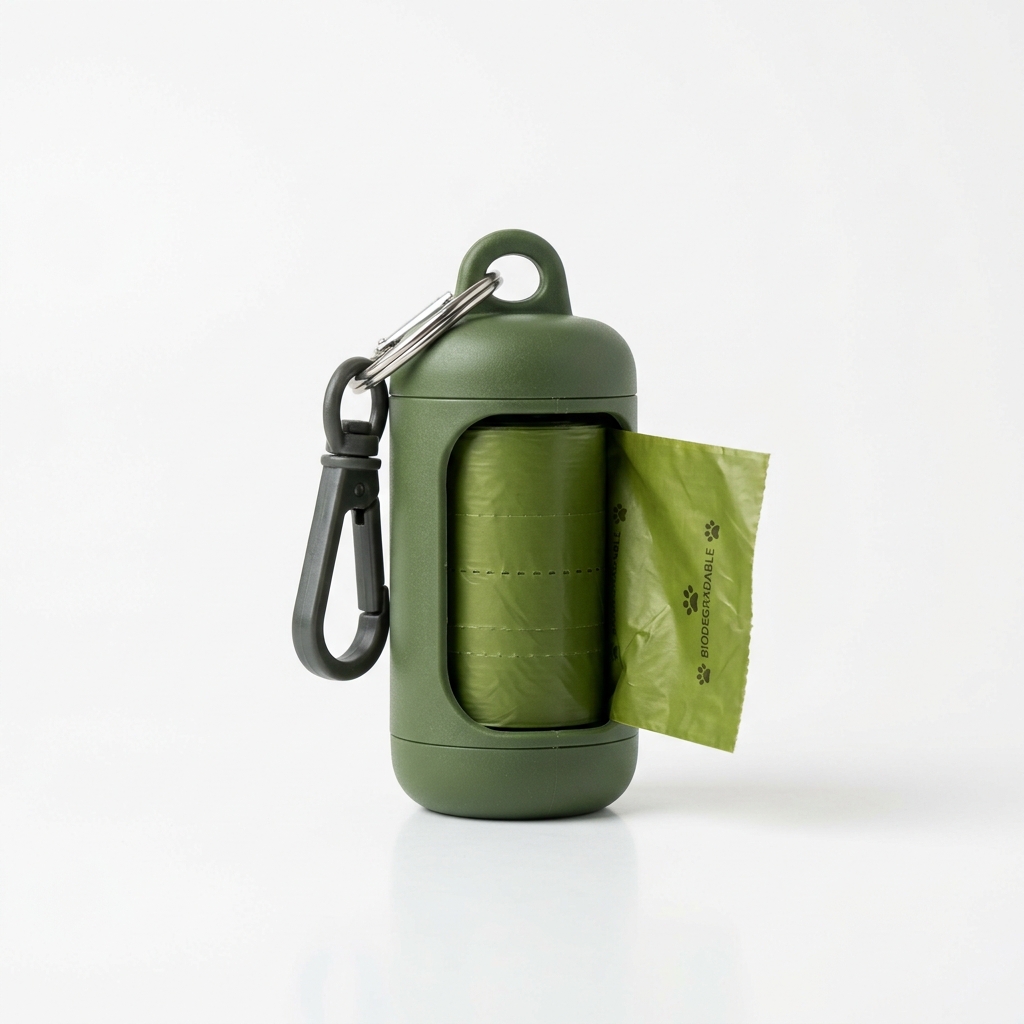
Everyday Walking Essentials for Great Pyreneess
Sponsored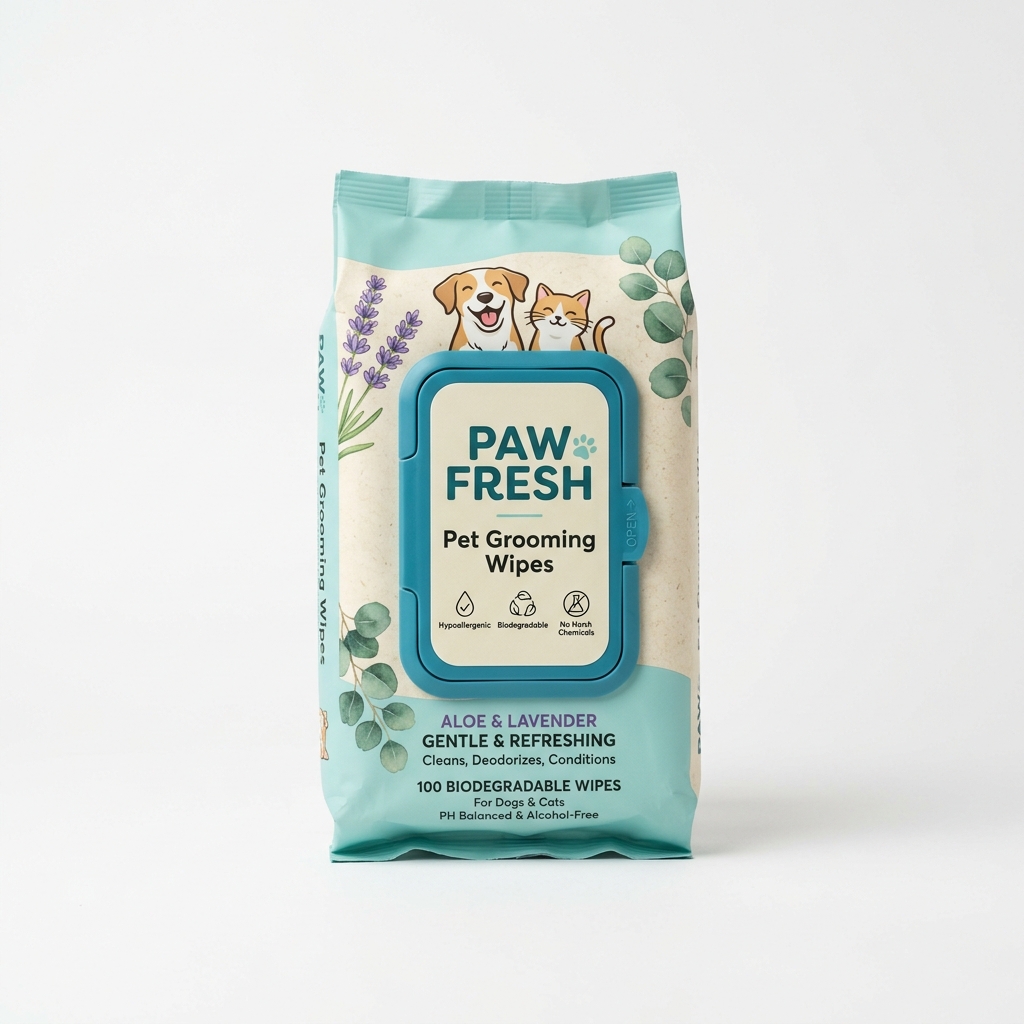
Frequently Asked Questions: Walking a Great Pyrenees
Q: Can a Great Pyrenees sleep outside in the snow?
While adult Great Pyrenees are naturally adapted to snowy mountain conditions, companion pets should never be left outside unattended in temperatures below 20°F (-7°C), especially during freezing rain or heavy wind chills that penetrate the outer coat.
Q: Why should you never shave a Great Pyrenees in summer?
Shaving a double-coated Great Pyrenees strips away the outer guard hairs that shield their pale skin from solar radiation. Without these reflective hairs, heat penetrates directly to the skin, drastically increasing heatstroke risk and causing permanent follicle damage (post-clipping alopecia).
Q: How do I prevent snowballs from forming in my Great Pyrenees' paws?
Trim the feathering between their paw pads flush with the pads using rounded grooming shears, and coat the pads and rear double dewclaws with a natural wax balm like Musher's Secret before heading into deep snow.