When is it Safe to Walk a Alaskan Malamute? Safe Temperature Range & Walking Tolerance Chart

Quick Answer: Alaskan Malamute Safe Temperature Limits
Optimal safe walking range for the Alaskan Malamute (Working group, medium double): 32°F to 69°F (0°C to 21°C), with acute thermal danger below 10°F (-12°C) or above 75°F (24°C).
Safe Walking Temperature Chart for Alaskan Malamutes
| Safety Level | Air Temperature | Action |
|---|---|---|
| 🔴 Danger Zone (Cold) | Under 10°F (-12°C) | Severe frostbite risk for Alaskan Malamutes. Avoid outdoor walks. |
| 🟡 Caution Zone (Cold) | 10°F - 31°F (-12°C - -1°C) | Limit Alaskan Malamute outing duration; use winter gear. |
| 🟢 Safe Zone | 32°F - 69°F (0°C - 21°C) | Ideal weather window for normal Alaskan Malamute exercise. |
| 🟡 Caution Zone (Heat) | 70°F - 74°F (21°C - 23°C) | Watch Alaskan Malamute panting; test asphalt 7 seconds. |
| 🔴 Danger Zone (Heat) | 75°F+ (24°C+) | Acute Alaskan Malamute heatstroke & pad burn danger indoors only. |
Veterinary Climate & Thermoregulation Profile
One of the oldest Arctic sled dogs, the Alaskan Malamute is an exceptionally powerful freighting working breed equipped with a dense, coarse outer guard coat and an oily, woolly undercoat up to two inches thick. Bred to haul heavy loads across frozen tundra in sub-zero temperatures, Malamutes possess extraordinary cold tolerance down to -20°F (-29°C). However, this formidable thermal insulation creates severe, life-threatening vulnerabilities to heatstroke in ambient temperatures exceeding 70°F (21°C), especially in humid climates.
Key Anatomical & Environmental Vulnerabilities
- Severe heatstroke risk in mild heat: Their thick double coat retains metabolic heat, meaning even moderate exercise above 70°F (21°C) can trigger life-threatening hyperthermia.
- High humidity barrier to evaporative panting: Because Malamutes cannot sweat and rely on panting, relative humidity above 65% traps heat within their dense respiratory system and woolly coat.
- Ice crust pad lacerations during heavy pulling: While their snowshoe-like paws have thick pads and protective interdigital hair, sharp crusted ice can slice pad margins during vigorous walks.
In winter, Malamutes thrive in sub-zero temperatures down to -20°F (-29°C) and require no coats; inspect paws for packed ice pellets after walks. In summer, restrict all walks to early dawn before the sun rises, cap walks under 15 minutes if temperatures exceed 70°F (21°C), and never shave their double coat.
Protecting Your Alaskan Malamute's Paws from Toxic Salt?
Traditional rock salt causes 140°F chemical burns. Discover 100% salt-free, vet-approved pet-safe ice melts.
Everyday Walking Essentials for Alaskan Malamutes
Sponsored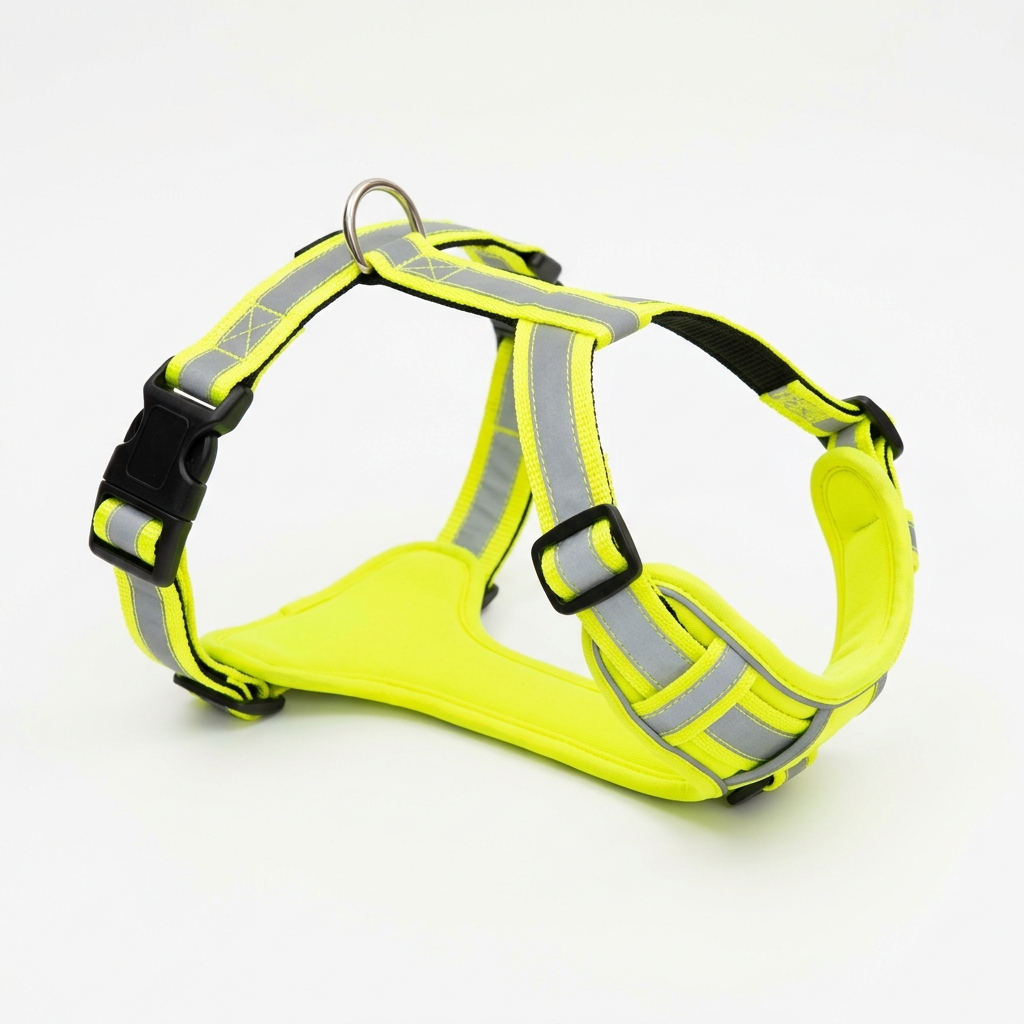

Frequently Asked Questions: Walking a Alaskan Malamute
Q: How cold is too cold for an Alaskan Malamute to walk outside?
Healthy adult Alaskan Malamutes comfortably tolerate temperatures down to -20°F (-29°C) or colder during active movement. Below -25°F (-32°C), monitor ear tips and paw pads for signs of frostbite.
Q: Can Alaskan Malamutes walk safely in 75°F summer heat?
No. Temperatures of 75°F (24°C) and above pose an extreme risk of clinical heatstroke for a Malamute. Their dense Arctic double coat prevents heat dissipation, making summer mid-day exercise dangerous.
Q: Should you ever shave an Alaskan Malamute in the summer?
Never shave an Alaskan Malamute. Shaving removes the insulating guard hairs that protect their skin from sunburn, traps heat closer to the body, and frequently leads to permanent coat damage (post-clipping alopecia).
Alaskan Malamute Health & Safety
As a highly cherished breed, the Alaskan Malamute is famously affectionate, friendly, loyal, playful, intelligent, energetic, outgoing. It is crucial for Alaskan Malamute owners to always check the pavement temperature before heading outside for their daily walk.