When is it Safe to Walk a American Eskimo Dog? Safe Temperature Range & Walking Tolerance Chart

Quick Answer: American Eskimo Dog Safe Temperature Limits
Optimal safe walking range for the American Eskimo Dog (Non-Sporting group, medium double): 32°F to 69°F (0°C to 21°C), with acute thermal danger below 10°F (-12°C) or above 75°F (24°C).
Safe Walking Temperature Chart for American Eskimo Dogs
| Safety Level | Air Temperature | Action |
|---|---|---|
| 🔴 Danger Zone (Cold) | Under 10°F (-12°C) | Severe frostbite risk for American Eskimo Dogs. Avoid outdoor walks. |
| 🟡 Caution Zone (Cold) | 10°F - 31°F (-12°C - -1°C) | Limit American Eskimo Dog outing duration; use winter gear. |
| 🟢 Safe Zone | 32°F - 69°F (0°C - 21°C) | Ideal weather window for normal American Eskimo Dog exercise. |
| 🟡 Caution Zone (Heat) | 70°F - 74°F (21°C - 23°C) | Watch American Eskimo Dog panting; test asphalt 7 seconds. |
| 🔴 Danger Zone (Heat) | 75°F+ (24°C+) | Acute American Eskimo Dog heatstroke & pad burn danger indoors only. |
Veterinary Climate & Thermoregulation Profile
A member of the Nordic Spitz family, the American Eskimo Dog (available in Toy, Miniature, and Standard sizes) is endowed with a standout, pure white double coat featuring a soft, dense undercoat and longer guard hairs growing through it. Bred originally as an all-around farm watchdog in cold northern European climates, the 'Eskie' possesses excellent natural insulation against snow and freezing temperatures down to 15°F (-9°C). However, their bright white coat masks underlying solar sensitivity, and their dense undercoat traps heat quickly during summer months.
Key Anatomical & Environmental Vulnerabilities
- Heat retention under high solar radiation: Despite their reflective white coat, their dense woolly undercoat traps body heat, causing rapid overheating if exercised vigorously above 75°F (24°C).
- Snowball clumping in toe tufts and belly ruff: Fluffy fur between the pads and along the undercarriage accumulates wet snow, forming hard ice balls that make walking painful.
- Solar dermatitis on exposed unpigmented skin: The delicate skin around the nose, eyelids, and ear tips is susceptible to sunburn and solar dermatitis during high UV index days.
In winter, Eskies enjoy active outings down to 15°F (-9°C); trim excess hair between paw pads and apply balm to prevent ice clumping. In summer, schedule walks before 9 AM, brush out shedding undercoat weekly to encourage airflow, and cap exercise when temperatures exceed 75°F (24°C).
Protecting Your American Eskimo Dog's Paws from Toxic Salt?
Traditional rock salt causes 140°F chemical burns. Discover 100% salt-free, vet-approved pet-safe ice melts.
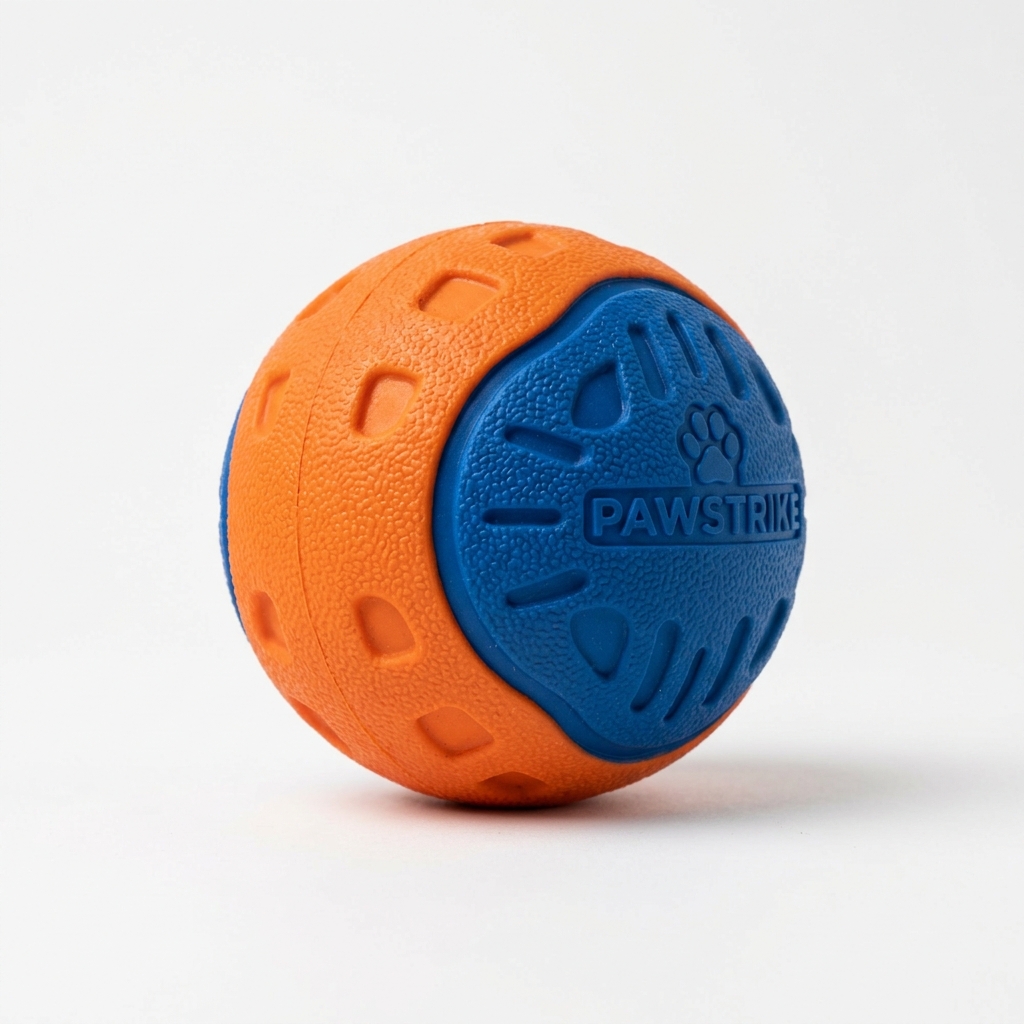
Everyday Walking Essentials for American Eskimo Dogs
Sponsored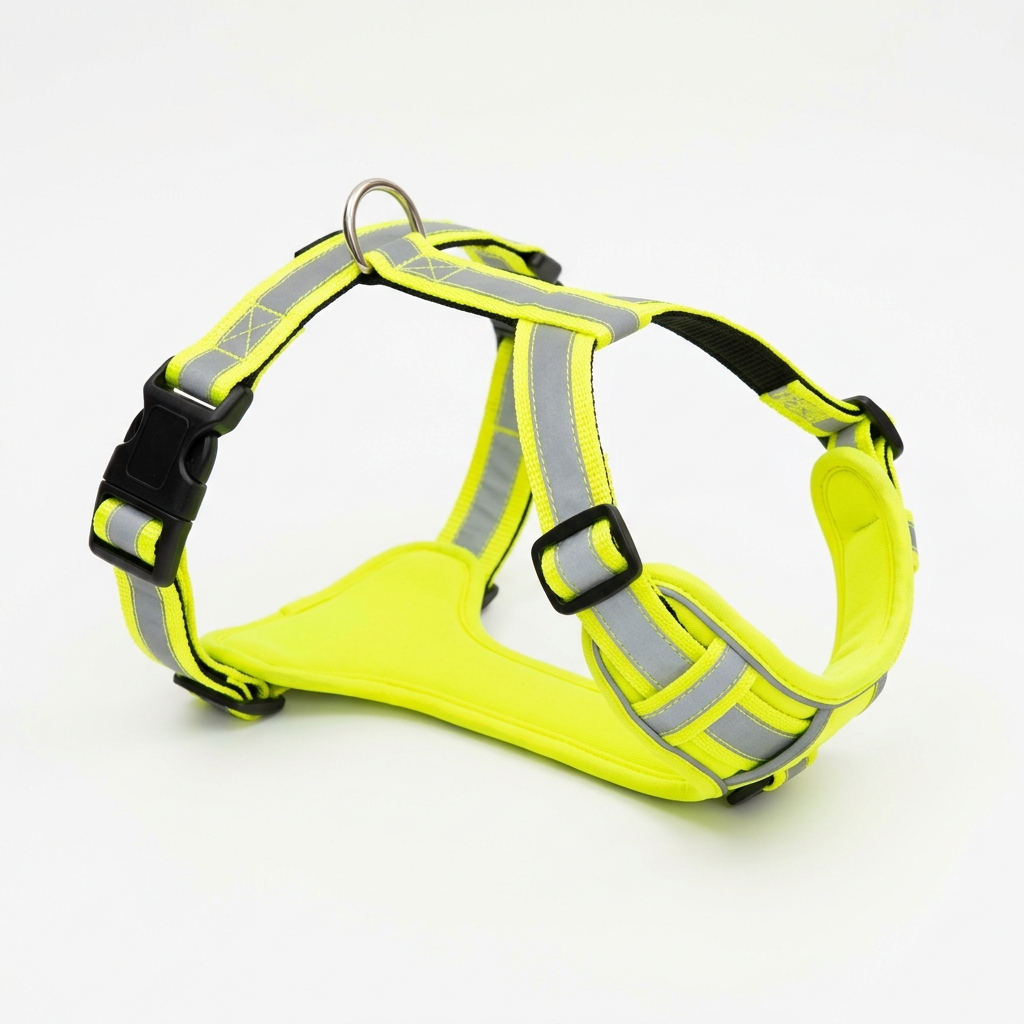
Frequently Asked Questions: Walking a American Eskimo Dog
Q: Can American Eskimo Dogs walk in deep snow and sub-freezing cold?
Yes. Their Nordic double coat provides outstanding insulation against sub-freezing temperatures down to 15°F (-9°C). Just trim hair between the paw pads to prevent hard snowballs from forming.
Q: Should you trim or shave an American Eskimo Dog's coat in summer?
Never shave an American Eskimo Dog. Their double coat protects against solar radiation and insect bites while insulating against radiant heat. Weekly thorough brushing to remove dead undercoat keeps them cool naturally.
Q: What temperature is too hot to walk an American Eskimo Dog?
Temperatures of 75°F (24°C) with moderate humidity require caution, and above 80°F (27°C) becomes hazardous. Schedule walks for early dawn and look for shade.
American Eskimo Dog Health & Safety
As a highly cherished breed, the American Eskimo Dog is famously intelligent, alert, friendly, playful, energetic, eager to please. It is crucial for American Eskimo Dog owners to always check the pavement temperature before heading outside for their daily walk.