Paw Balm vs. Booties vs. Wax: Road Salt Safety
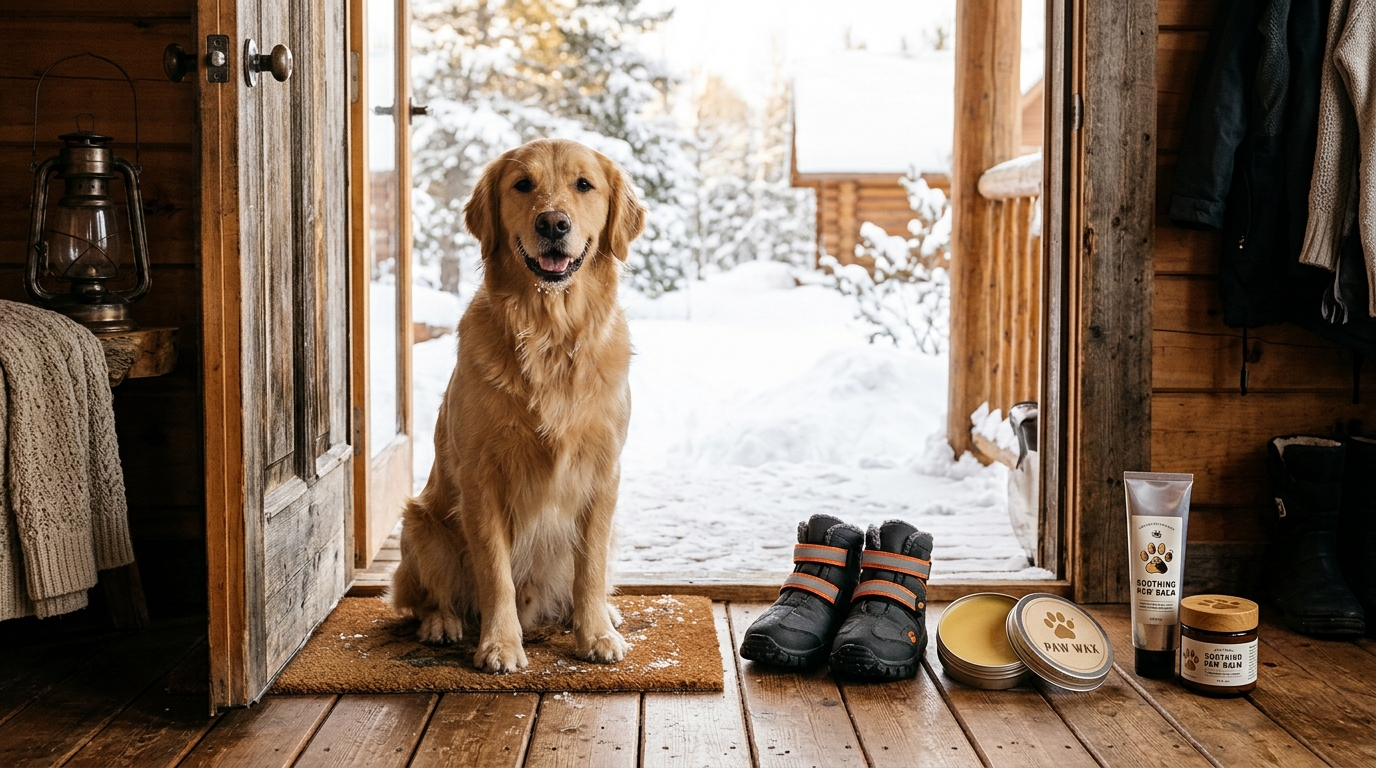
Which is better for winter road salt: paw balm, dog booties, or paw wax? Dog booties provide the only 100% impenetrable physical barrier against toxic chemical de-icers, caustic road salts, and sub-zero frostbite, making them essential for prolonged city sidewalk walking below 20°F (-7°C). However, for dogs that refuse boots or walks between 20°F and 32°F, paw wax (such as Musher's Secret) is the gold-standard pre-walk defense, forming a breathable, dense barrier that repels snow-clumping and salt burns without restricting natural movement. In contrast, paw balm is strictly a post-walk restorative treatment formulated with penetrative oils to heal cracked pads after exposure, and should never be applied before stepping onto snow or ice.
Recommended Gear
Sponsored

Before heading outside on winter mornings, always check your local Dog Walking Weather Forecast to monitor live pavement temperature estimates, surface frostbite warnings, and hourly safe walk windows.
The Winter Hazard: Why Road Salt Destroys Canine Paw Pads
To choose the right protection, owners must first understand what commercial road salt actually does to canine dermal tissue. Municipalities and property managers rarely use plain sodium chloride (rock salt); instead, they coat walkways with harsh chemical blends containing calcium chloride ($\text{CaCl}_2$), magnesium chloride ($\text{MgCl}_2$), and potassium chloride.
These chemical de-icers create three distinct clinical hazards for walking dogs:
- Exothermic Chemical Burns: Calcium chloride is an exothermic compound—meaning it releases intense heat upon contact with moisture. When calcium chloride pellets mix with wet snow or the natural perspiration of your dog's interdigital glands, chemical temperatures can spike up to 140°F (60°C) directly against sensitive paw skin, causing painful second-degree chemical burns in under two minutes[^1].
- Hygroscopic Tissue Dehydration: Chemical salts are aggressively hygroscopic; they extract cellular water out of the paw pad's keratinized epithelium. This causes pad tissues to dry rapidly, lose elasticity, and split into bleeding, jagged micro-fissures that expose raw nerve endings to sub-freezing asphalt.
- Secondary Ingestion Poisoning: When dogs return home with stinging paws, their involuntary instinct is to lick and groom their feet. Ingesting road salt crystals irritates the gastrointestinal lining, causing vomiting, drooling, severe dehydration, and—in heavy doses—potentially fatal sodium toxicosis (hypernatremia)[^2].
If you manage your own driveway or walkway, eliminate this hazard entirely by switching to certified salt-free formulas reviewed in our Best Pet-Safe Ice Melts for Driveways guide.
Comparison Matrix: Paw Balm vs. Dog Booties vs. Paw Wax
Winter Paw Protection Scoring Matrix
| Feature / Metric | Paw Wax (e.g., Musher's Secret) | Dog Booties (e.g., Ruffwear Polar Trex) | Paw Balm (e.g., Paw Soother) |
|---|---|---|---|
| Primary Purpose | Pre-walk barrier & snow repellant | Total physical insulation & shield | Post-walk cellular skin healing |
| When to Apply | 2-3 minutes BEFORE walk | Right before stepping outside | AFTER walk (Clean, dry paws) |
| Road Salt Barrier Level | Moderate to High (Water-repelling layer) | 100% Impenetrable Shield | Zero barrier (Absorbs salt) |
| Ice Ball Clumping Defense | Outstanding (Stops snow adhesion) | Complete (Encloses hair & toes) | |
| Effective Temp Range | 15°F to 45°F (-9°C to 7°C) | Sub-zero down to -30°F (-34°C) | Indoors at room temperature |
| Dog Acceptance Rate | 99% (Feels completely natural) | 40%–60% (Requires training) | 95% (Gentle soothing massage) |
| Best Suited For | Active suburban walks, trail snow | Salt-heavy city sidewalks, sub-20°F | Nightly recovery, cracked pads |
1. Paw Wax: The Mushing Shield (Pre-Walk Protection)
Originally formulated for Canadian sled dog racing over sub-zero wilderness trails, paw wax is a semi-solid blend of food-grade beeswax, carnauba wax, candelilla wax, and plant oils.
How Paw Wax Works
Unlike soft lotions that penetrate deep into skin layers, dense waxes form a physical, hydrophobic (water-repelling) film over the rough epidermis of the pad and between the toes. This wax coating:
- Prevents liquid road salt and chemical slurry from penetrating into microscopic pad pores.
- Eliminates snow friction, preventing wet snow from bonding to the hair between footpads—the primary cause of painful ice ball formation in feathered breeds like the Golden Retriever, English Cocker Spaniel, and Irish Setter.
- Allows the pads to breathe naturally through sweat glands while still resisting abrasive grit.
Top-Rated Paw Wax: Musher's Secret All-Season Pet Paw Wax
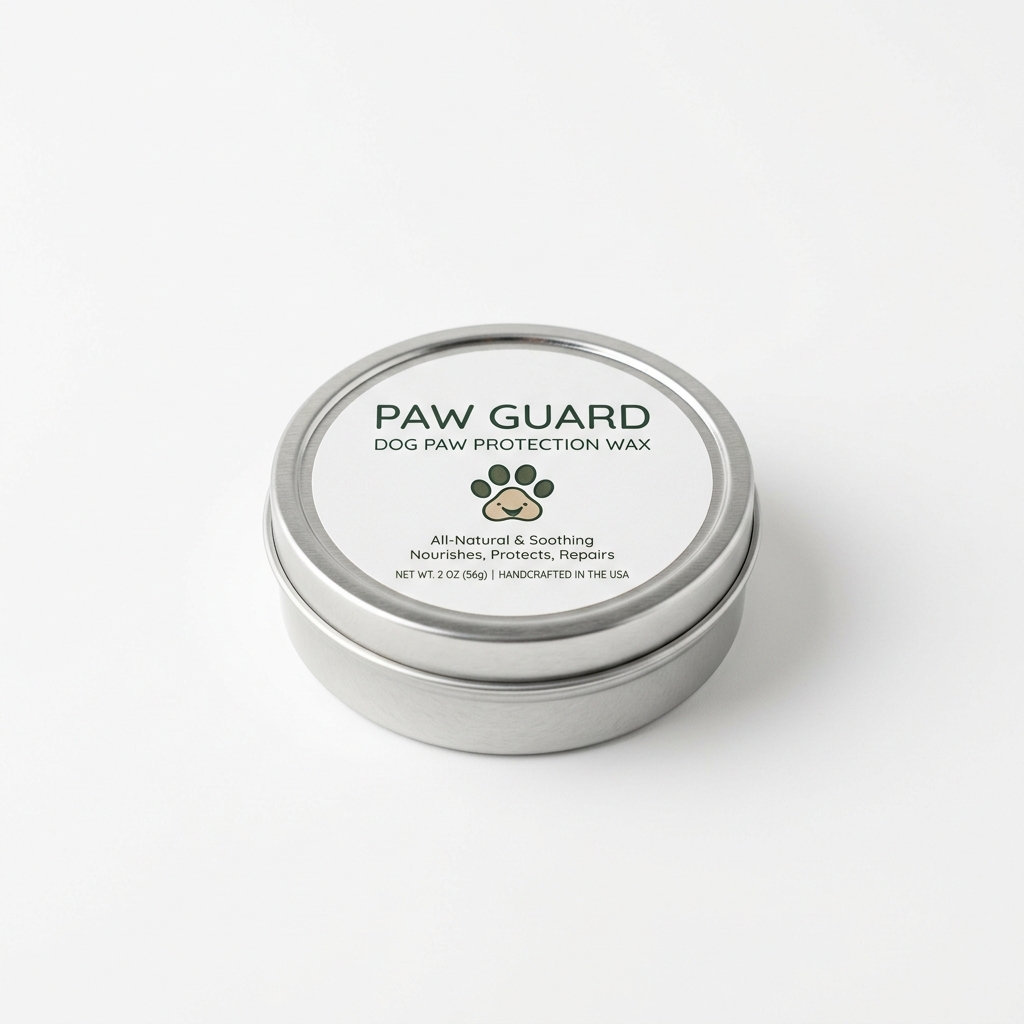
Musher's Secret All-Season Pet Paw Protection Wax
Made from 100% natural, food-grade Canadian beeswax and vitamin E. Fast-absorbing, non-toxic, and safe if licked. Forms an instant breathable barrier against chemical road salt and ice buildup.
How to Apply Paw Wax Correctly
- Clean paws first: Ensure your dog's paws are completely dry before application.
- Spread between toes: Coat the main pads, the metacarpal stopper pad, and generously work the wax into the webbing and fringe fur between the toes.
- Wait 60 seconds: Allow the wax to set into a firm protective glaze before letting your dog walk across hardwood floors or carpets.
- Reapplication frequency: On sidewalks heavily dusted with chemical rock salt, reapply every 1–2 days during active winter weather.
2. Dog Booties: The Impenetrable Armor (Extreme Winter Shield)
When outdoor conditions drop below 20°F (-7°C), or when walking through heavily salted urban centers like Chicago, New York, or Denver, chemical wax alone is no longer enough. Dog booties are the only solution that provides 100% mechanical separation between toxic de-icers and your dog's paws.
When Booties Are Mandatory
Veterinarians recommend dog boots under any of the following conditions:
- Heavily Salted Urban Walkways: City sidewalks white with calcium chloride pellets create immediate chemical burn risks that can dissolve wax barriers within 15 minutes of walking.
- Temperatures Below 20°F (-7°C): Ambient temperatures below 20°F dramatically increase the risk of acute frostbite, particularly in toy and thin-coated breeds like the Chihuahua, Miniature Pinscher, and Whippet.
- Crusted Ice & Hard Pack: Jagged crust on top of snowdrifts acts like razor wire, slicing pad margins and tearing dewclaws during bounding exercise.
- Pre-Existing Pad Lacerations: If your dog already has cracked pads or healing stitches, booties prevent chemical contamination and bacterial infection.
For a deeper dive into boot construction and fitment, read our companion review of the Top 5 Dog Booties for Snow & Ice.
Top-Tested Winter Dog Boots
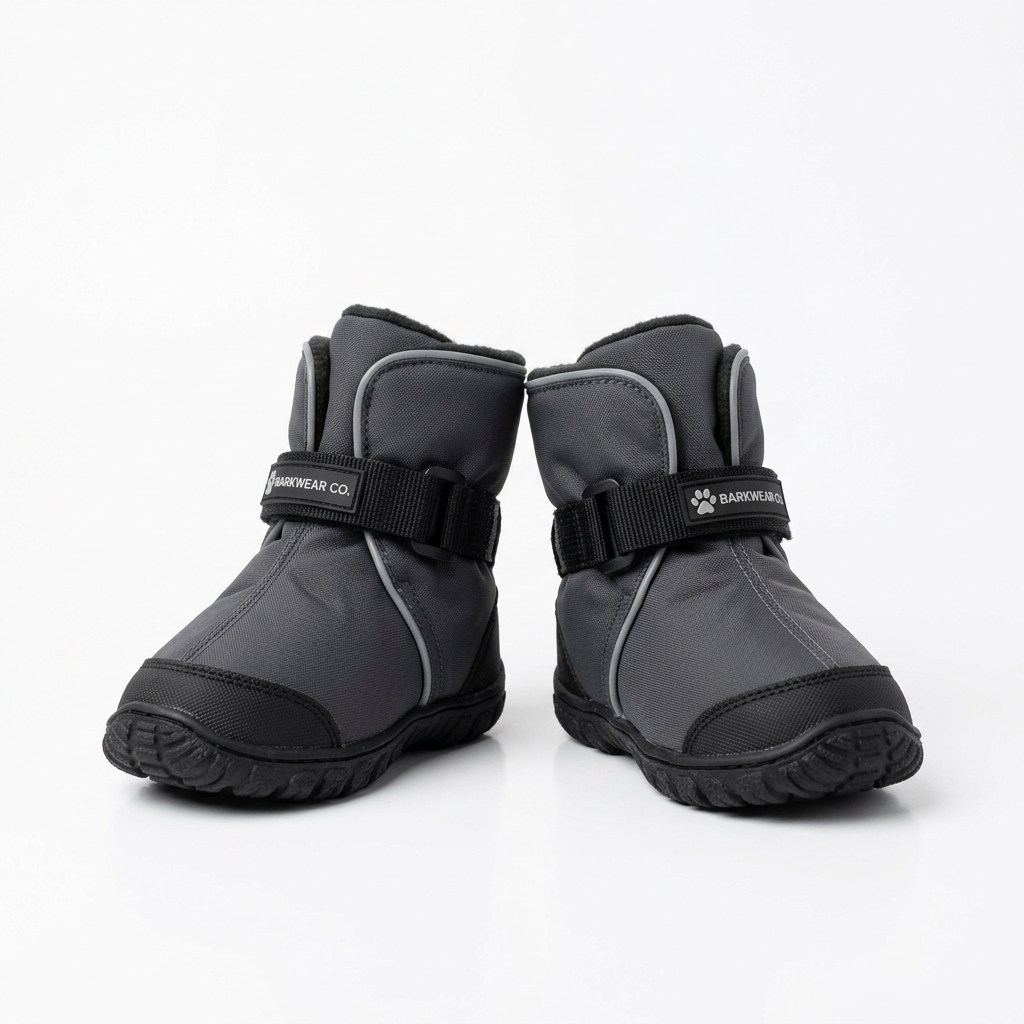
Ruffwear Polar Trex Insulated Winter Dog Boots
Engineered with Vibram® Icetrek® outsoles for maximum grip on frozen pavement, paired with a water-resistant softshell upper and zippered stretch gaiter that locks out slush and caustic street chemicals.
How to Measure Paws for Booties
The #1 reason dogs kick off their booties is improper sizing:
- Place your dog's front paw firmly on a piece of paper on a hard floor.
- Lift the opposite paw so their full weight bears down on the measured foot (paw pads expand up to 0.5 inches under body weight).
- Mark the widest points on both the left and right sides of the paw pad.
- Measure the distance in inches or millimeters and match against the manufacturer's sizing chart. Note: Front paws are frequently wider than rear paws; you may need two different sizes.
3. Paw Balm: The Post-Walk Restorative (Skin Repair)
The most common mistake pet parents make in winter is rubbing soft paw balm onto their dog's feet right before heading out the door into freezing snow.
Why You Must NEVER Apply Balm Before a Walk
Paw balms are formulated with soft, emollient plant butters and carrier oils (such as shea butter, coconut oil, jojoba, and vitamin E) designed to soften and penetrate skin. When applied immediately before stepping outside:
- The Snow Magnet Effect: Soft oils melt slightly against warm body heat, turning paw pads into sticky magnets that attract chemical salt dust, gravel, and freezing slush.
- Loss of Traction: Balms create a slick, greasy film that eliminates grip on polished hardwood floors and icy concrete, causing dangerous slips and groin strains.
- Rapid Wash-Off: Walking through wet slush immediately strips away the thin balm before it can deliver any therapeutic benefit.
The True Role of Paw Balm: Post-Walk Healing
Paw balm is a medical restorative meant for clean, indoor paws. Its active humectants and fatty acids penetrate micro-tears in the stratum corneum, restoring the natural lipid barrier broken down by winter road salts and dry indoor furnace heat.
Top-Rated Post-Walk Healing Balm: Natural Dog Company Paw Soother
Natural Dog Company Organic Paw Soother Stick
Formulated with organic mango seed butter, candelilla wax, cajeput, and calendula. Deeply moisturizes cracked, peeling paw pads, soothes chemical salt irritation, and treats canine hyperkeratosis.
The 3-Step Winter Paw Detox Routine
To ensure zero chemical burns and prevent your dog from licking toxic road salts, practice this 3-step veterinarian-approved routine after every winter outing:
- The Warm Dip & Rinse: Keep a shallow tub or dog paw plunger filled with lukewarm (never hot) water by the front door. Dip each paw to dissolve and flush out microscopic salt crystals, ice melt residues, and road chemical grime from between the toes.
- The Microfiber Dry: Thoroughly dry each paw with an absorbent microfiber towel, paying close attention to the sensitive interdigital webbing between the toes where trapped moisture causes fungal yeast dermatitis.
- The Nighttime Balm Massage: Once paws are completely clean and dry, massage a pea-sized amount of restorative paw balm into the pads right before bedtime. Applying balm before sleep allows 8 hours of uninterrupted cellular absorption without your dog tracking oils across your home.
Breed Vulnerabilities: Who Needs What?
Every dog's thermal tolerance and paw vulnerability is determined by coat genetics, paw feathering, and body size:
- Short-Legged / Low-Clearance Breeds (Pembroke Welsh Corgi, Dachshund): Standing only a few inches off the ground, their paws and entire underbelly drag through slush and salt. Pair paw wax with a waterproof belly-shield jacket.
- Heavy Feathered Sporting Dogs (Golden Retriever, Labrador Retriever, Bernese Mountain Dog): Soft hair between paw pads acts like a magnet for ice balls. Coat with Musher's Secret paw wax before every snow outing to prevent snow adhesion.
- Toy & Single-Coated Breeds (Chihuahua, Pug, French Bulldog, Boston Terrier): Highly sensitive pads and fast heat loss mean sub-25°F (-4°C) sidewalks require insulated booties and short potty breaks.
- Arctic Working Breeds (Siberian Husky, Alaskan Malamute): Naturally tough paw pads handle cold well, but jagged urban sidewalk salt can still cause chemical burns. Wax is typically sufficient unless running on crusty ice.
For complete winter gear pairing guidelines across apparel and bedding, explore our 2026 Dog Weather Safety Holiday Gift Guide and Heated Dog Beds vs. Self-Warming Pads analysis.
Frequently Asked Questions
Does paw wax protect dogs from road salt?
Yes. Quality paw wax (like Musher's Secret) contains dense, natural beeswax and carnauba wax that form a semi-permeable, water-repelling barrier over the paw pads and between the toes. This wax layer prevents chemical salts and melted slush from contacting sensitive skin, drastically reducing chemical irritation and snow clumping. However, on streets coated in heavy, sharp calcium chloride pellets, insulated dog booties offer superior physical protection.
Can you use paw balm and dog booties together?
No, you should never apply paw balm right before putting on dog booties. Paw balms contain slippery oils and butters that cause paws to slide around inside the boot, increasing friction, causing blisters, and making the boots slip off. If your dog wears booties on walks, apply balm only after the walk once boots are removed and paws are clean and dry.
Why shouldn't you put paw balm on before a snow walk?
Paw balms are formulated with soft, penetrative oils designed for deep skin hydration indoors. When applied right before stepping onto cold pavement, the balm softens skin, attracts caustic road salt and grit, creates a slipping hazard on icy terrain, and washes off immediately in slush before providing any therapeutic benefit. Always use dense paw wax before walks and save healing balm for bedtime.
What should you do if your dog licks road salt off their paws?
If your dog licks road salt, immediately rinse their mouth and paws with lukewarm water. Offer small, frequent amounts of fresh water to dilute any ingested sodium. Monitor closely for signs of salt toxicity: excessive drooling, vomiting, lethargy, diarrhea, or muscle tremors. If you observe any of these symptoms or suspect they ingested large amounts of commercial de-icer, contact your veterinarian or the ASPCA Animal Poison Control Center (888-426-4435) immediately[^2].
Sources & References
[^1]: American Veterinary Medical Association (AVMA). "Cold Weather Pet Safety: Paw Protection & Chemical De-Icer Hazards." AVMA Emergency Care Protocols, 2024. https://www.avma.org/resources-tools/pet-owners/petcare/cold-weather-pet-safety [^2]: ASPCA Animal Poison Control Center (APCC). "Toxicology Review: Chemical De-icers, Calcium Chloride Toxicity, and Canine Dermal Irritation." ASPCA Clinical Guidelines, 2023. https://www.aspca.org/pet-care/animal-poison-control [^3]: Miller, W.H., Griffin, C.E., and Campbell, K.L. Muller and Kirk's Small Animal Dermatology, 7th Edition. W.B. Saunders, Philadelphia, 2013: 452–458. (Hyperkeratosis and interdigital dermatitis protocols). [^4]: Tufts Animal Care and Condition (TACC). "Tufts Weather Safety Scale for Dogs: Thermal Thresholds and Conductive Surface Dangers." Tufts Cummings School of Veterinary Medicine, 2022.
Related Safety Guides
- Best Pet-Safe Ice Melts for Driveways (2026 Guide)
- Top 5 Dog Booties for Snow & Ice Review
- Do Double-Coated Dogs Need Winter Coats?
- How Cold Is Too Cold for Dogs? Safe Walking Guide
- 2026 Dog Weather Safety Holiday Gift Guide
Protect Your Dog's Paws Today
Always check the PawsForecast dashboard before heading out to get a real-time estimate of the pavement temperature in your exact location!
Check Live Pavement Temp