Best Winter Dog Coats & Thermal Jackets by Breed (2026)
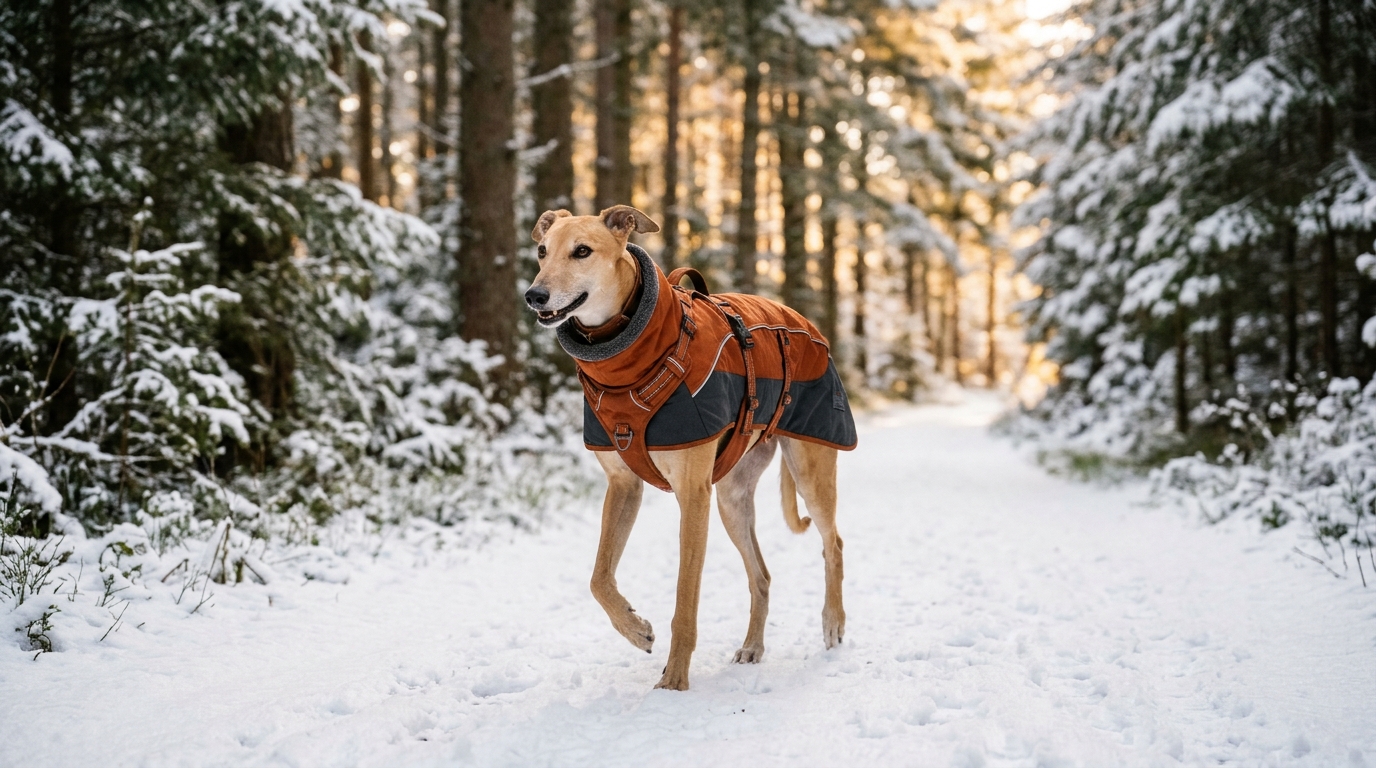
Which winter dog coat is best for freezing weather? For deep sub-zero cold, freezing rain, and exposed wind chill below 20°F (-7°C), the Hurtta Extreme Warmer Parka is the gold standard thanks to its heat-reflecting foil lining, waterproof outer shell, and full rear-thigh coverage. For active dogs hiking or running through snow between 15°F and 40°F (-9°C to 4°C), the Ruffwear Powder Hound delivers athletic freedom without shoulder chafing. Budget-minded owners needing heavy-duty rain and sleet protection should choose the WeatherBeeta ComFiTec 1200D Parka, while crisp, dry autumn and winter days are best served by the rugged Carhartt Chore Coat.
Recommended Gear
Sponsored

Always verify your exact local wind chill and surface frostbite alert using the live PawsForecast Dog Walking Calculator before selecting your dog's outerwear for the day.
The Science of Canine Heat Loss: Why Coat Type Dictates Outerwear
Choosing a dog winter jacket is a physics decision, not a fashion choice. Dogs lose core thermal energy (normally maintained around 101.5°F / 38.6°C) through four physical pathways during winter walks:
- Convection (Wind Stripping): Moving cold air strips away the thin envelope of body-warmed air trapped near the skin. Smooth, single-coated breeds like the Doberman Pinscher, Weimaraner, and Boxer lack an insulating undercoat, causing rapid convective heat loss below 45°F (7°C).
- Conduction (Wet Fur Acceleration): Water conducts heat away from living tissue 25 times faster than dry air. A dog walking in 38°F (3°C) freezing drizzle without a waterproof outer shell cools down faster than a dry dog walking at 20°F (-7°C).
- Surface-Area-to-Volume Ratio (Small Breed Physics): Small and toy dogs—such as the Chihuahua, Miniature Pinscher, and Yorkshire Terrier—possess a massive skin surface area relative to their internal body mass, plus low ground clearance that exposes their bare bellies directly to snow splash and freezing radiant concrete.
- Undercoat Compression (Why Double Coats Differ): Heavy-coated breeds like the Siberian Husky and Great Pyrenees rely on millions of tiny air pockets lofted inside their dense undercoat. Putting a tight winter coat over a thick double coat crushes that loft, actually reducing natural insulation and risking dangerous overheating during brisk movement. Review our full Do Double-Coated Dogs Need Winter Coats? breakdown before dressing heavy-coated breeds.
2026 Top Winter Dog Coats Comparison Matrix
| Jacket Model | Best For | Insulation Type | Waterproof Rating | Belly & Chest Shield | Typical Price |
|---|---|---|---|---|---|
| Hurtta Extreme Warmer | Sub-zero cold, wind chill, hairless & toy breeds | Heat-reflecting aluminum foil + 140g wadding | 10,000mm waterproof membrane + taped seams | Full wrap-around chest + adjustable rear leg loops | $105–$125 |
| Ruffwear Powder Hound | Active dogs hiking, running, & snow play | 200g recycled synthetic torso + stretch fleece | DWR weather-resistant ripstop upper | Zippered full-torso belly shield with sleeves | $99 |
| WeatherBeeta ComFiTec | Freezing rain, sleet, & budget durability | 220g polyfill core | 1200D waterproof & breathable ripstop | Wide touch-tape chest & belly wrap | $60–$75 |
| Carhartt Chore Coat | Dry crisp cold, windy city walks, & brush | Quilted nylon liner | Water-repellent (Rain Defender DWR) | Adjustable chest & waist hook-and-loop straps | $45–$55 |
Winter Coat Temperature Rules by Breed Group
Match your dog's coat genetics to the ambient "Feels Like" wind chill temperature before clipping on a leash:
1. Hairless, Toy, & Low-Fat Breeds (Coat Required Below 50°F / 10°C)
- Examples: Xoloitzcuintli, Chihuahua, Miniature Pinscher, Dachshund, Shih Tzu (if clipped short)
- Protocol: Dress in a fitted fleece or light shell between 40°F and 50°F (4°C–10°C). Below 32°F (0°C), switch immediately to a foil-lined parka covering the chest and lower back, paired with winter paw defense from our Paw Balm vs. Booties vs. Wax guide.
2. Short, Smooth, & Single-Coated Athletic Breeds (Coat Required Below 40°F–45°F)
- Examples: Doberman Pinscher, Boxer, Weimaraner, Dalmatian, Cane Corso, Dogo Argentino
- Protocol: Short-coated muscular dogs can stay warm while actively trotting down to ~40°F, but the instant they stop to sniff or wait at a crosswalk, core heat drops rapidly. Use a wind-blocking quilted coat below 40°F (4°C) and keep walks concise below 20°F (-7°C).
3. Brachycephalic (Flat-Faced) Breeds (Coat Below 45°F + Short Airway Exposure)
- Examples: Pug, Boston Terrier, American Bulldog
- Protocol: Compressed nasal turbinates struggle to pre-warm inhaled freezing air before it reaches the lungs. Keep chest muscles insulated with a snug belly-wrapping parka below 45°F (7°C), and watch closely for coughing or airway irritation.
4. Sporting & Medium-Double-Coated Breeds (Coat Only in Freezing Rain or Below 15°F–20°F)
- Examples: Golden Retriever, Labrador Retriever, German Shorthaired Pointer, Cocker Spaniel
- Protocol: Most healthy Labs and Goldens thrive uncoated down to 20°F (-7°C) in dry weather. However, an uninsulated waterproof shell is smart during icy sleet so freezing water never penetrates to the skin, and senior dogs with osteoarthritis benefit from thermal back coverage below 25°F (-4°C).
In-Depth Reviews: The 4 Best Winter Dog Coats for 2026
1. Best Overall & Sub-Zero Protection: Hurtta Extreme Warmer Parka
Check Latest Price on Amazon →
Engineered in Finland for Arctic conditions, the Hurtta Extreme Warmer solves the biggest flaw in cheap pet store coats: heat escaping around the neck and rear hips.
- Foil-Backed Heat Reflection: The interior lining features a metallic foil pattern that bounces radiant body heat back into your dog's major back and thigh muscles—improving thermal retention without bulky, stiff stuffing.
- High Tricot Hood: An integrated soft snood slides up over the ears and back of the neck to block freezing gusts from sneaking down the collar.
- Tailored Rear Coverage: Adjustable elastic hind-leg loops and a contoured hem drape cleanly over the thighs without restricting tail wagging or potty breaks.
Ideal For: Toy breeds, hairless dogs, greyhounds, senior dogs with stiff joints, and owners walking in regions hitting 15°F (-9°C) or colder.
2. Best for Active Trail Dogs & Snow Play: Ruffwear Powder Hound
Check Latest Price on Amazon →
Standard cape-style coats leave a dog's armpits and ribcage bare, while rigid dog snowsuits restrict shoulder stride. The Ruffwear Powder Hound bridges both worlds using technical ski-apparel construction.
- Hybrid Torso + Stretch Sleeves: High-loft synthetic insulation locks heat across the spine and chest, while articulated four-way stretch fleece sleeves hug the upper front legs so snow cannot pack into the armpits.
- Full Belly Coverage: A weather-resistant zippered belly panel shields thin lower-chest skin from kicking slush, ice crusts, and road salt spray—making it a top pick for low-slung breeds like Dachshunds and Pembroke Welsh Corgis in deep snow.
- Leash Portal Integration: Built with a reinforced back pass-through opening so your dog can wear their regular walking harness safely underneath the jacket.
Ideal For: Energetic short-coated and sporting dogs (German Shorthaired Pointers, Australian Shepherds, Border Collies) hiking off-leash or trotting through deep winter powder.
3. Best Waterproof Value for Freezing Rain: WeatherBeeta ComFiTec Premier Free Parka
Check Latest Price on Amazon →
Built by an equestrian blanket maker famous for storm-proof horse turnout rugs, the WeatherBeeta ComFiTec brings heavy-duty outdoor waterproofing to dogs at nearly half the cost of boutique alpine brands.
- 1200-Denier Ripstop Shell: Shrugs off brush, briars, and sleet storms without soaking through or snagging during park scrambles.
- 220g Polyfill Warmth + Freedom Gussets: Deep shoulder gussets let broad-chested breeds like the Rottweiler, American Staffordshire Terrier, and Boxer stride freely without the collar pulling backward into their throat.
Ideal For: Rainy Pacific Northwest, UK, and East Coast winters where sleet and cold rain threaten wet hypothermia.
4. Best Rugged Everyday Utility Coat: Carhartt Chore Coat
Check Latest Price on Amazon →
If you live in a dry-cold climate or just need a tough, easy-on, easy-off jacket for 15-minute neighborhood loops, the Carhartt Chore Coat is practically indestructible.
- 12-Ounce Cotton Duck Canvas + Rain Defender: Blocks sharp wind gusts cleanly while shedding light snow flurries.
- Zero-Fuss Dual Straps: Wide hook-and-loop tabs across the chest and belly adjust in two seconds—critical if your dog hates stepping their paws through tight sleeves.
- Functional Utility Pockets: Includes two riveted back pockets great for carrying spare waste bags or emergency treats.
Ideal For: Everyday urban and suburban walks between 20°F and 45°F (-7°C to 7°C) for medium-to-large dogs.
5-Point Fit & Safety Checklist Before Your First Winter Walk
A poorly fitted winter dog jacket can cause painful armpit chafing or fail to protect the parts of the body that lose heat fastest. Check these five points on every new coat:
- Full Ribcage & Kidney Coverage: The jacket hem should extend all the way to the base of the tail so the kidneys and lumbar spine remain insulated.
- Deep Chest & Belly Shield: Blood circulates close to the surface along the sternum. Make sure the coat wraps beneath the chest rather than floating loosely only on top of the back.
- Male Clearance: For male dogs, verify the belly panel stops cleanly forward of the prepuce so urine never pools inside the fleece liner.
- Two-Finger Neck & Armpit Rule: Slide two flat fingers comfortably beneath the collar and under both front leg openings to guarantee zero friction rubs during brisk trots.
- Harness Portal Alignment: Never attach a leash solely to a coat's decorative plastic D-ring if your dog pulls; route your leash through a reinforced portal directly to a sturdy harness underneath, or fit a properly sized Y-front harness over the coat.
For complete sub-zero preparation—including checking paws for numbness, ear tip frostbite signs, and indoor thermal recovery beds—bookmark our How Cold is Too Cold for Dogs? and Heated Dog Beds vs. Self-Warming Pads guides, or browse holiday winter picks in our 2026 Dog Weather Safety Gift Guide.
What temperature should a short-haired dog wear a winter coat?
Most healthy, short-haired dogs (such as Dobermans, Boxers, Weimaraners, and Pitbull-type breeds) should wear a windproof winter coat once temperatures drop below 45°F (7°C)—or even at 50°F (10°C) if it is raining or windy. Small toy breeds, puppies, and senior dogs lose body heat significantly faster and benefit from light thermal insulation starting around 50°F.
Can a dog wear a winter coat inside the house?
No—unless your home is unheated or experiencing a winter power outage. Leaving an insulated foil or polyfill parka on indoors in a 68°F–72°F room quickly causes overheating, restless panting, and skin irritation from trapped moisture. Always remove outdoor jackets immediately upon stepping inside and wipe damp feet with a warm towel.
Should I put a coat on my dog if it is raining at 40°F?
Yes. Wet fur loses its insulating air pockets and conducts heat away from your dog's core 25 times faster than dry air. At 40°F (4°C) in cold rain, even medium-coated dogs risk rapid chilling and wet hypothermia without a breathable waterproof outer shell like the WeatherBeeta ComFiTec or Hurtta Extreme Warmer.
What is better for deep snow: a sleeved jacket or a cape coat?
For deep snow (>4 inches) or active trail hikes, a sleeved hybrid jacket like the Ruffwear Powder Hound is superior because it seals the chest and upper legs against packed snowballs and icy splash. However, for senior dogs with arthritis or dogs that fight having their front paws lifted through sleeves, a strap-on cape coat like the Carhartt Chore Coat or Hurtta Extreme Warmer eliminates joint stress while still covering the torso and hips.
Protect Your Dog's Paws Today
Always check the PawsForecast dashboard before heading out to get a real-time estimate of the pavement temperature in your exact location!
Check Live Pavement Temp