When is it Safe to Walk a Cocker Spaniel? Safe Temperature Range & Walking Tolerance Chart

Quick Answer: Cocker Spaniel Safe Temperature Limits
Optimal safe walking range for the Cocker Spaniel (Sporting group, medium medium): 45°F to 69°F (7°C to 21°C), with acute thermal danger below 20°F (-7°C) or above 85°F (29°C).
Safe Walking Temperature Chart for Cocker Spaniels
| Safety Level | Air Temperature | Action |
|---|---|---|
| 🔴 Danger Zone (Cold) | Under 20°F (-7°C) | Severe frostbite risk for Cocker Spaniels. Avoid outdoor walks. |
| 🟡 Caution Zone (Cold) | 20°F - 44°F (-7°C - 7°C) | Limit Cocker Spaniel outing duration; use winter gear. |
| 🟢 Safe Zone | 45°F - 69°F (7°C - 21°C) | Ideal weather window for normal Cocker Spaniel exercise. |
| 🟡 Caution Zone (Heat) | 70°F - 84°F (21°C - 29°C) | Watch Cocker Spaniel panting; test asphalt 7 seconds. |
| 🔴 Danger Zone (Heat) | 85°F+ (29°C+) | Acute Cocker Spaniel heatstroke & pad burn danger indoors only. |
Veterinary Climate & Thermoregulation Profile
The American Cocker Spaniel is a beloved sporting breed featuring a lush, silky coat with profuse feathering on the legs, chest, and belly, accompanied by long, pendulous ear leathers. While originally bred as bird-hunting gun dogs capable of navigating dense brush, modern Cocker Spaniels face specific weather challenges: their heavy feathering acts like a sponge for snow, mud, and road chemicals, while their heavy ear flaps trap cold moisture, predisposing them to recurrent bacterial and yeast ear infections.
Key Anatomical & Environmental Vulnerabilities
- Severe snow and ice clumping in feathering: Wet snow binds tightly to silky leg and belly feathering, forming painful ice balls that pull on the skin and cause frostbite on interdigital webbing.
- Otitis externa from trapped moisture under heavy ears: Long, drooping ears prevent air circulation; rain or snow entering the ear canal creates a moist breeding ground for severe infections.
- Heat exhaustion under dense coat: Profuse silky hair and undercoat retain significant metabolic heat, increasing heat stress once ambient temperatures exceed 78°F (26°C).
In winter, trim feathering between paw pads flush with pads, apply protective paw wax, and consider a water-resistant bodysuit below 32°F (0°C); dry ear canals thoroughly post-walk. In summer, walk in early mornings below 78°F (26°C), and keep their coat trimmed in a practical puppy clip.
Keeping Your Cocker Spaniel Warm Indoors?
Compare certified heated orthopedic dog beds vs. self-warming thermal pads for joint & arthritis relief.
Everyday Walking Essentials for Cocker Spaniels
Sponsored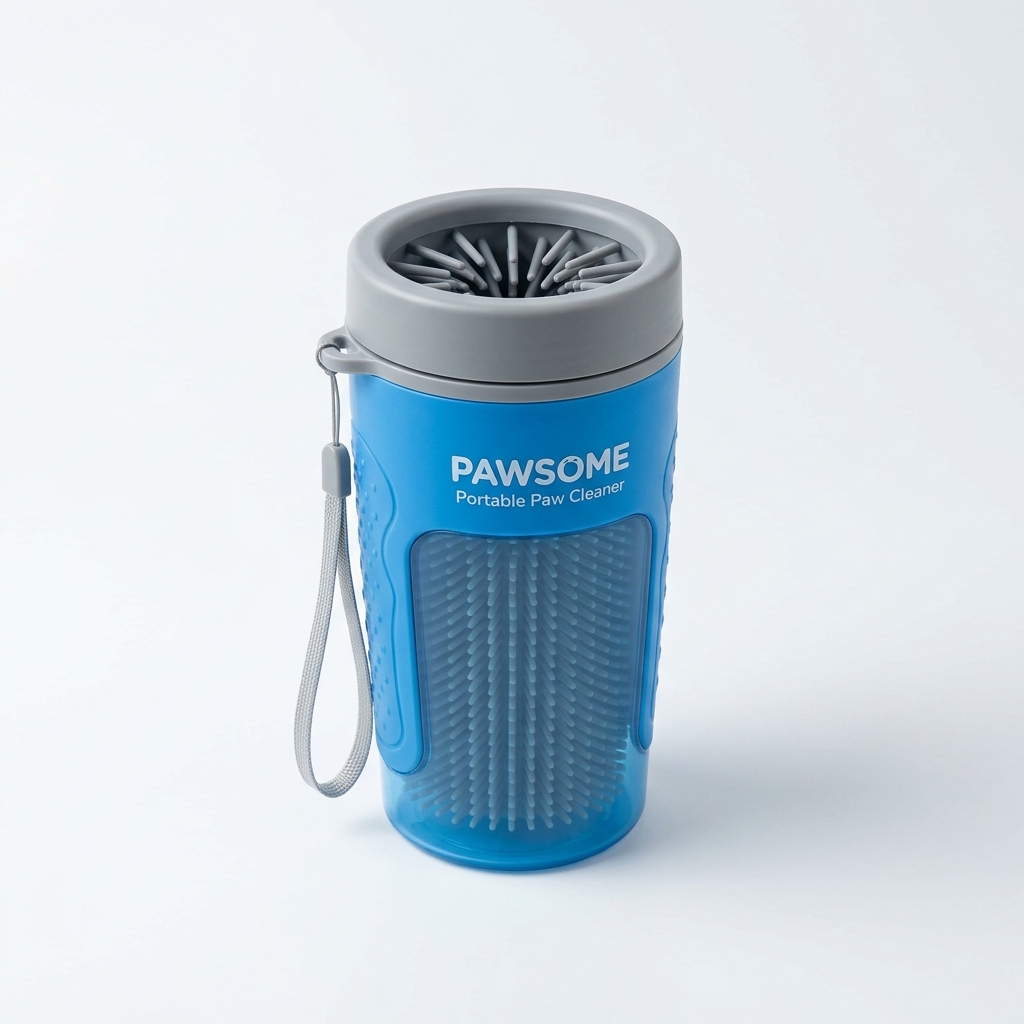

Frequently Asked Questions: Walking a Cocker Spaniel
Q: How do I prevent snowballs from forming on my Cocker Spaniel's fur?
Keep the fur between the paw pads and along the lower legs trimmed neatly, and apply a coating of natural paw balm before walks. Alternatively, use a lightweight nylon dog bodysuit to protect their feathering.
Q: How should I care for my Cocker Spaniel's ears after walking in rain or snow?
Always gently lift each ear leather and dry the inner ear flap and canal entrance with a dry microfiber cloth immediately after walks to prevent chronic yeast and bacterial ear infections.
Q: Can Cocker Spaniels walk in hot summer weather?
Cocker Spaniels can walk in moderate warmth up to 78°F (26°C). In warmer temperatures, their heavy coat retains heat quickly, so restrict walks to shaded morning hours and carry water.
Cocker Spaniel Health & Safety
The Cocker Spaniel requires careful monitoring during extreme weather. Known for being friendly, affectionate, playful, intelligent, outgoing, owners must adjust walk times to protect their paw pads and prevent heat exhaustion.