When is it Safe to Walk a Golden Retriever? Safe Temperature Range & Walking Tolerance Chart

Quick Answer: Golden Retriever Safe Temperature Limits
Optimal safe walking range for the Golden Retriever (Sporting group, medium double): 32°F to 69°F (0°C to 21°C), with acute thermal danger below 10°F (-12°C) or above 75°F (24°C).
Safe Walking Temperature Chart for Golden Retrievers
| Safety Level | Air Temperature | Action |
|---|---|---|
| 🔴 Danger Zone (Cold) | Under 10°F (-12°C) | Severe frostbite risk for Golden Retrievers. Avoid outdoor walks. |
| 🟡 Caution Zone (Cold) | 10°F - 31°F (-12°C - -1°C) | Limit Golden Retriever outing duration; use winter gear. |
| 🟢 Safe Zone | 32°F - 69°F (0°C - 21°C) | Ideal weather window for normal Golden Retriever exercise. |
| 🟡 Caution Zone (Heat) | 70°F - 74°F (21°C - 23°C) | Watch Golden Retriever panting; test asphalt 7 seconds. |
| 🔴 Danger Zone (Heat) | 75°F+ (24°C+) | Acute Golden Retriever heatstroke & pad burn danger indoors only. |
Veterinary Climate & Thermoregulation Profile
Originally developed in the Scottish Highlands to retrieve waterfowl from freezing lochs, the Golden Retriever is endowed with a dense, water-repellent double coat and heavy feathering along their legs, chest, and tail. While this coat provides excellent thermal insulation against snow and freezing rain down to 20°F (-7°C), it presents severe dermatological and thermal challenges in humid heat: their dense undercoat holds humidity close to the dermis, predisposing them to acute moist dermatitis ('hot spots').
Key Anatomical & Environmental Vulnerabilities
- Acute moist dermatitis ('hot spots'): Trapped moisture in the dense undercoat combined with ambient heat (>75°F / 24°C) causes rapid bacterial proliferation, creating painful, weeping skin lesions within hours.
- Snowball clumping in toe and leg feathering: Long fringe hair between the pads and behind the hocks collects icy slush that freezes into hard balls, forcing toes apart and lacerating pad tissue.
- Impaired evaporative cooling in high humidity: Their thick double coat impedes heat dissipation from the chest and underbelly when relative humidity exceeds 60%.
In freezing conditions, Goldens thrive down to 20°F (-7°C); trim toe feathering flush with pads and apply protective wax before snow walks. In summer, strictly avoid mid-day humidity, brush out shedding undercoat weekly, and never leave them crated while damp after summer swims.
Keeping Your Golden Retriever Warm Indoors?
Compare certified heated orthopedic dog beds vs. self-warming thermal pads for joint & arthritis relief.
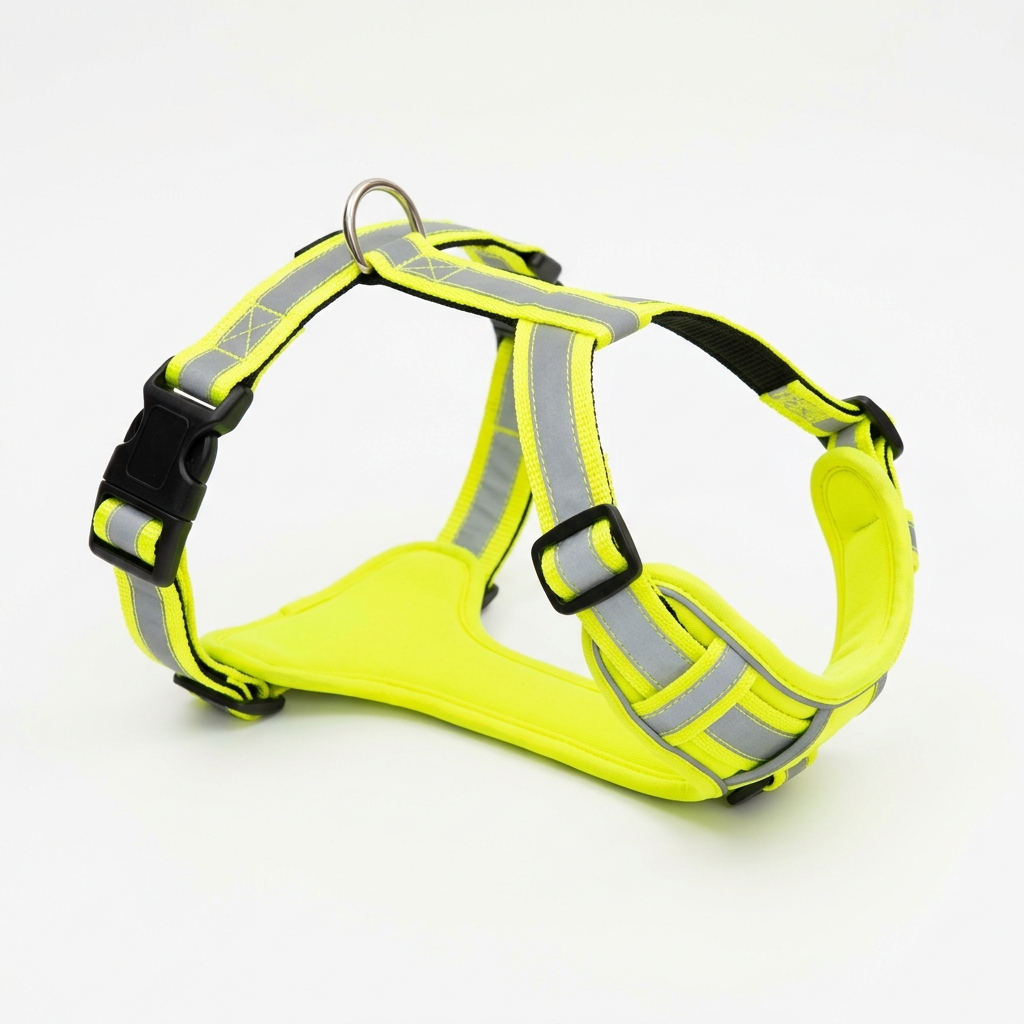
Everyday Walking Essentials for Golden Retrievers
Sponsored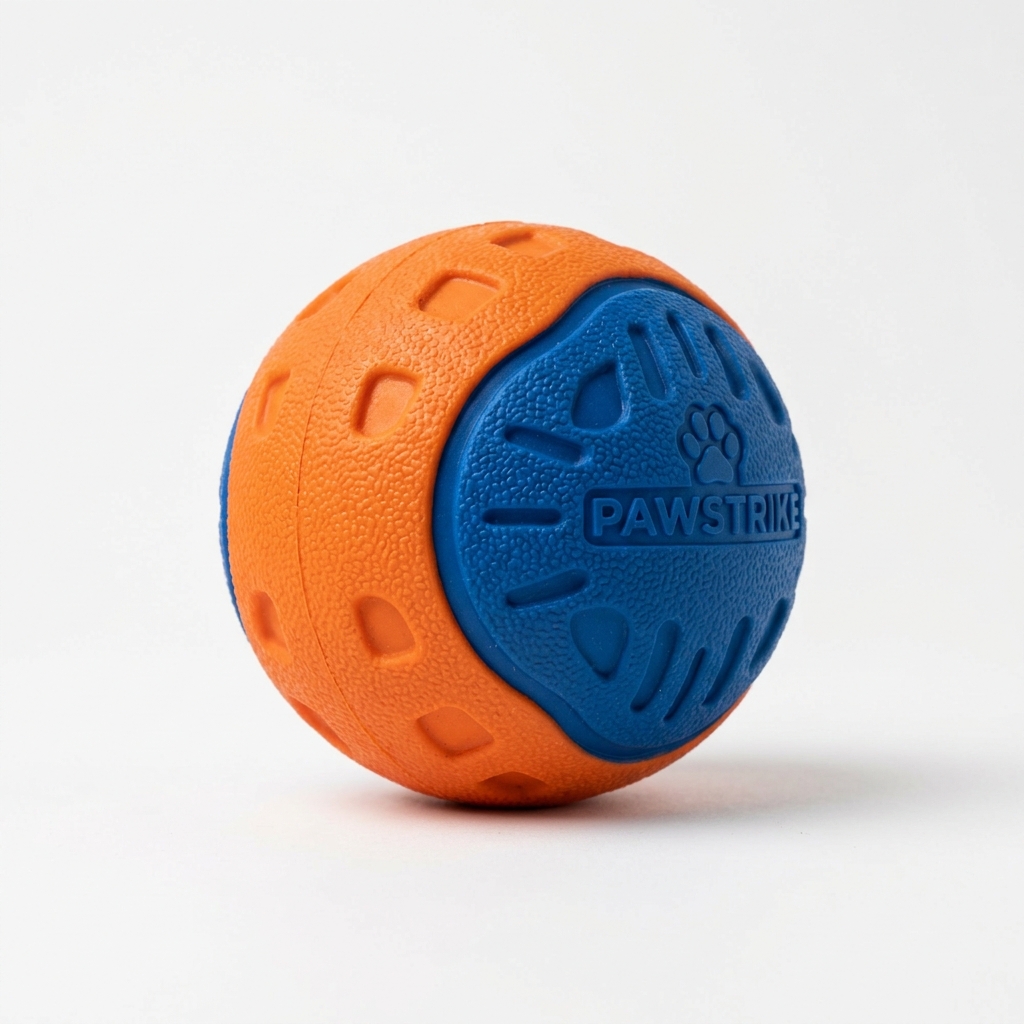
Frequently Asked Questions: Walking a Golden Retriever
Q: How do I prevent snowballs from forming on my Golden Retriever's fur?
Use rounded grooming shears to trim hair between the paw pads and along the lower leg feathering, and apply a thin coating of all-natural paw wax like Musher's Secret before walking in fresh snow.
Q: Should I shave my Golden Retriever during hot summer months?
Never shave a Golden Retriever. Shaving destroys the natural thermal insulating properties of the double coat, increases skin cancer risk from solar UV exposure, and often results in permanent, patchy coat regrowth (post-clipping alopecia).
Q: What temperature is too cold for a Golden Retriever to walk outside?
Healthy adult Goldens tolerate temperatures down to 20°F (-7°C) comfortably. Below 15°F (-9°C), limit walks to 20 minutes and inspect the ear tips and paw pads for signs of numbness or frostbite.
Golden Retriever Health & Safety
The Golden Retriever requires careful monitoring during extreme weather. Known for being friendly, intelligent, devoted, confident, loyal, eager to please, owners must adjust walk times to protect their paw pads and prevent heat exhaustion.