Heated Dog Beds vs Self-Warming Pads: Which is Safer?
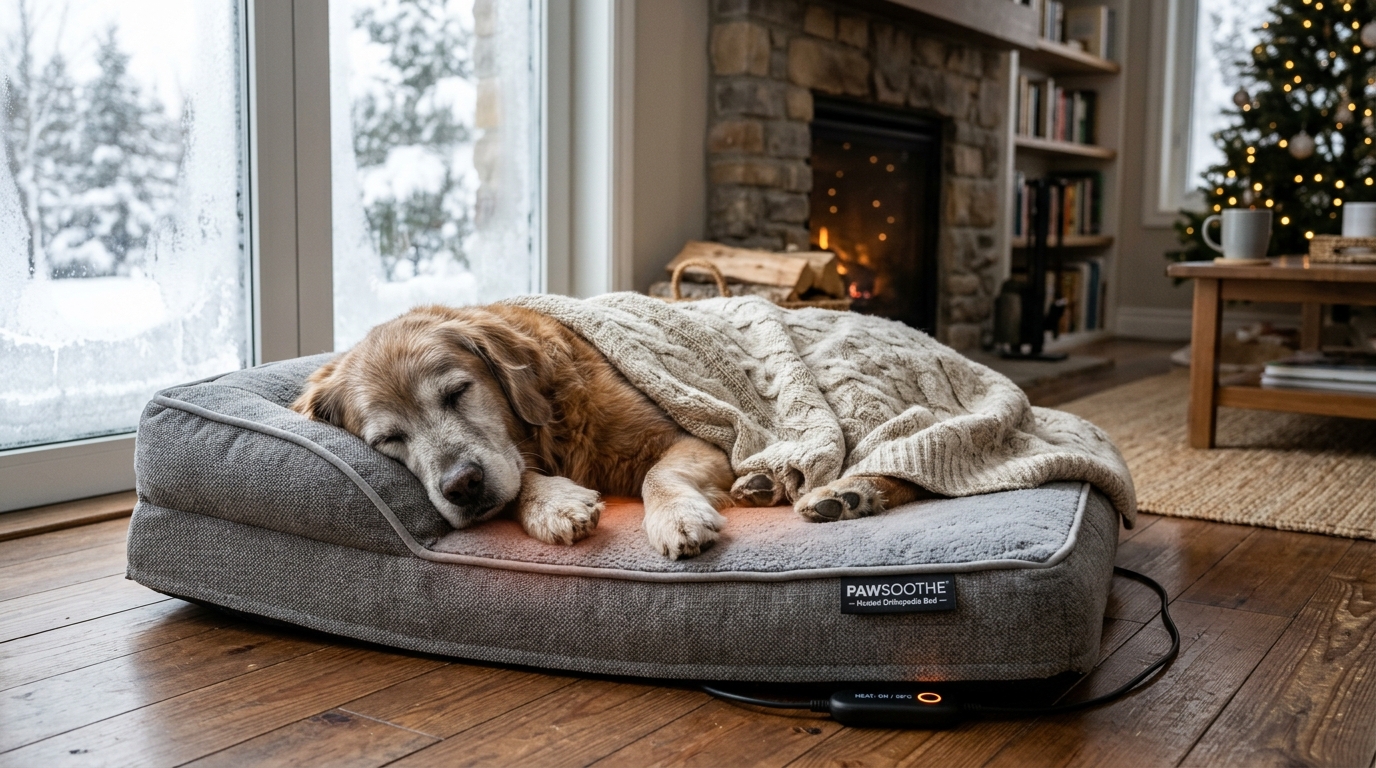
Are heated dog beds or self-warming thermal pads safer for winter? Self-warming thermal pads are inherently safer for unsupervised use and crate confinement because they use electricity-free, reflective Mylar foil to bounce your dog's own body heat back to them with zero risk of electrical shock, cord chewing, or thermal burns. However, for senior dogs suffering from canine osteoarthritis, hip dysplasia, or severe muscle stiffness, thermostatically controlled electric heated dog beds provide significantly superior therapeutic joint relief by actively dilating peripheral blood vessels and easing chronic pain. When choosing an electric bed, you must strictly follow the veterinary "Exit Rule" (ensuring your dog has ample room to shift off the heated zone) and never substitute human electric heating pads, which lack internal canine thermal cutoffs.
Recommended Gear
Sponsored
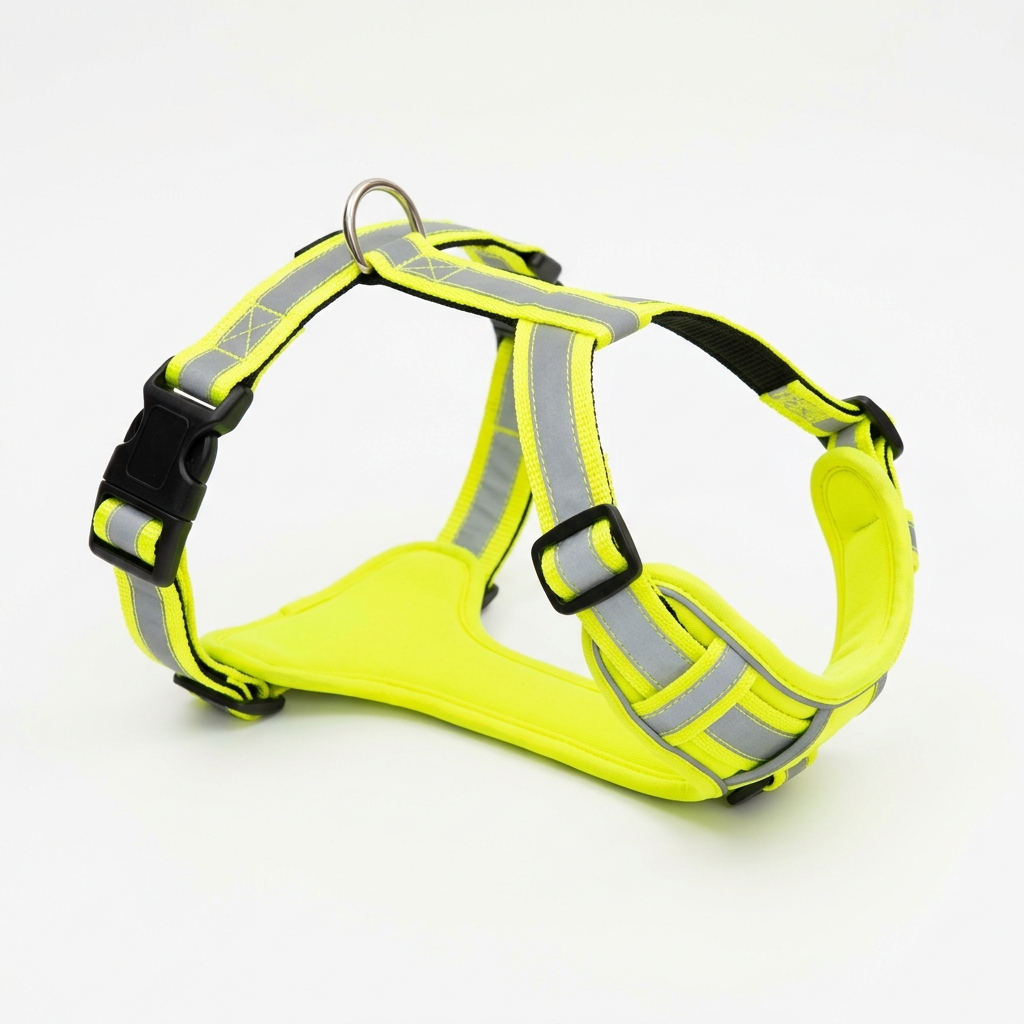
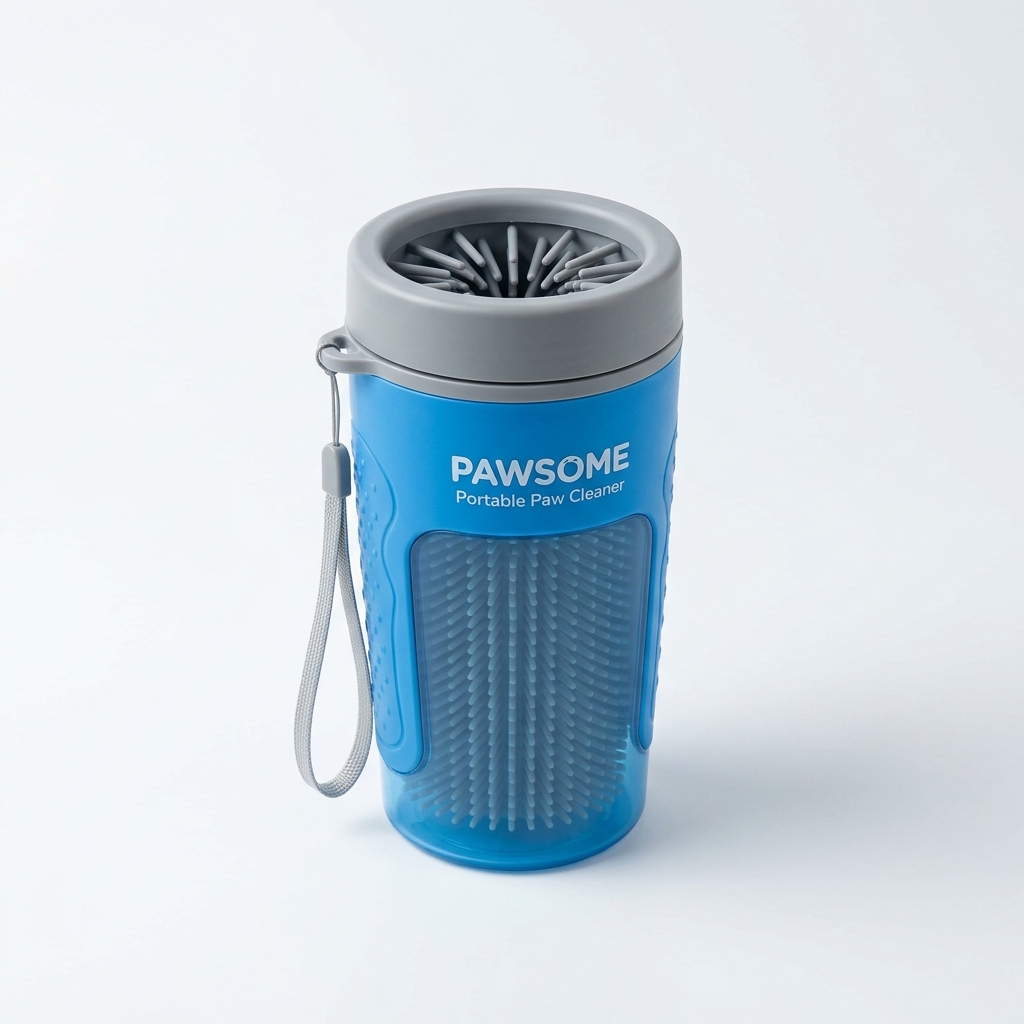
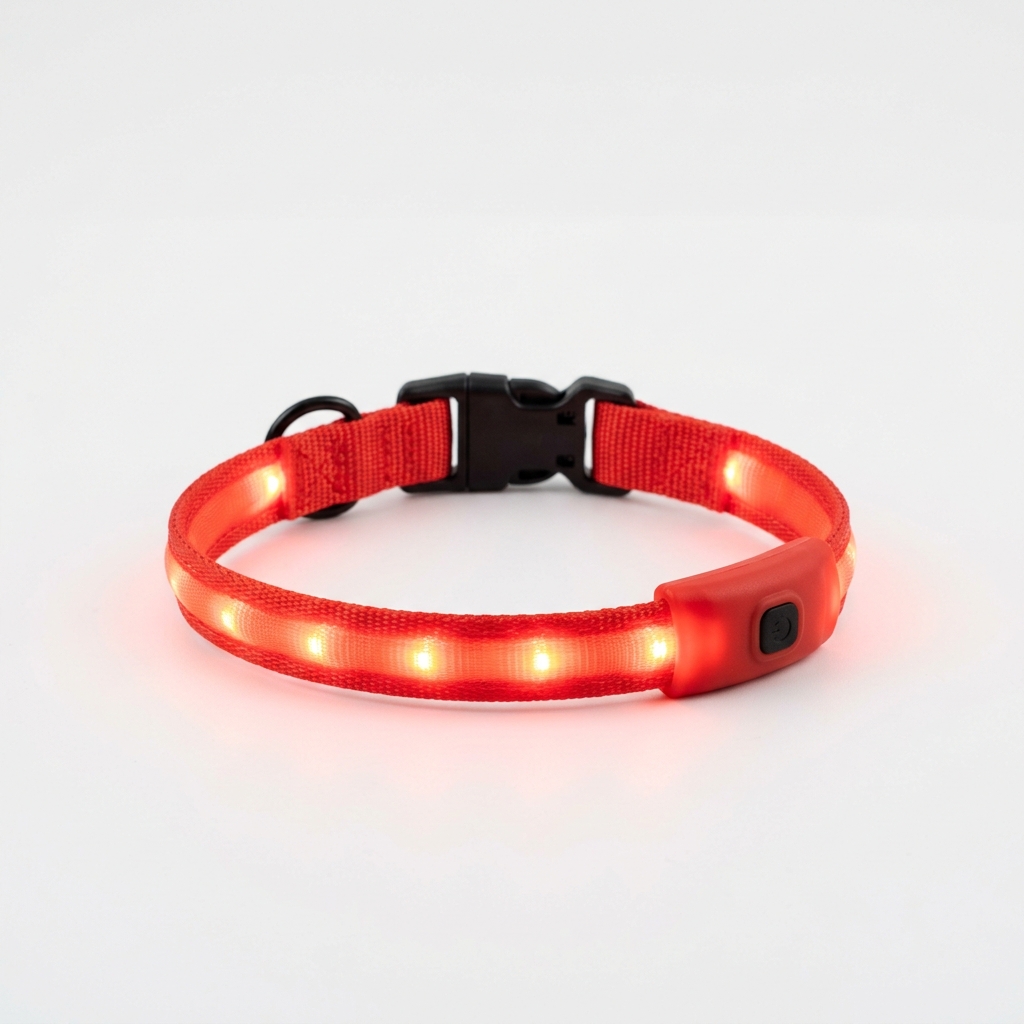
Before adjusting your dog's indoor sleeping arrangements or heading out into freezing winter conditions, check your local Dog Walking Weather Forecast to monitor live wind chill, freeze warnings, and pavement hazards.
Heated vs. Self-Warming Feature Matrix
| Feature | Electric Heated Dog Beds | Self-Warming Thermal Pads |
|---|---|---|
| Heat Source | Active low-voltage electric heating elements (100°F–102°F) | Passive thermal Mylar reflection (dog's own body heat) |
| Therapeutic Joint Relief | High (Clinically proven deep tissue vasodilation) | Mild to Moderate (Prevents conductive heat loss) |
| Unsupervised / Crate Safety | Requires Supervision (Never confine in tight crates) | 100% Crate Safe (Zero cords, zero shock risk) |
| Chew Resistance | Requires steel-wrapped cords and heavy ABS covers | No cords or wires; durable poly-fleece fabrics |
| Best Suited For | Senior dogs, arthritic joints, drafty basements | Puppies, chewers, travel, crates, 24/7 unmonitored use |
The Critical Veterinary Safety Rules for Electric Beds
While high-quality electric beds can transform a stiff senior dog's mobility during freezing winter months, improper use poses severe medical risks. Veterinarians urge pet owners to follow three non-negotiable safety rules:
1. The Veterinary "Exit Rule"
A dog must always possess the physical ability and physical space to move off the heat source independently. If a bed is placed inside a tight travel crate where the heating pad occupies 100% of the floor space, a dog that becomes too warm is trapped. Because canine skin has fewer sweat glands and thinner epidermal layers than human skin, sustained contact with even moderate heat (105°F–110°F) over several hours can cause erythema ab igne (thermal skin damage) or secondary contact burns[^1].
- The Rule: The heated pad should cover no more than 50% to 70% of your dog's total sleeping area, leaving a cool zone for self-regulation.
- Immobile Dogs: If your dog is paralyzed, heavily sedated post-surgery, or cannot stand independently, do not use an active electric bed without direct supervision.
2. Never Use Human Electric Heating Pads
Human heating pads are designed for 20-minute localized muscle treatments. They reach surface temperatures between 130°F and 160°F (54°C to 71°C), which will rapidly cause third-degree burns and skin necrosis on dogs. Furthermore, human pads lack chew-proof wiring and internal automatic shutoffs. Dedicated pet beds are engineered with internal dual-thermostats that remain at room temperature until the dog lies down, warming only to 102°F (38.8°C)—the natural core body temperature of a healthy dog.
3. Steel-Armored Cords and MET Safety Listings
A dog can bite through a standard lamp cord in under two seconds. Certified pet heating products feature steel-wrapped, chew-resistant power conduits and undergo rigorous electrical safety testing certified by MET Labs or UL (Underwriters Laboratories). If an electric pet bed lacks recognized third-party safety certification, do not plug it into your home.
The Top 4 Vet-Recommended Heated & Thermal Beds
If you are upgrading your dog's bed this winter to soothe aching joints or shield against cold drafts, these four veterinarian-reviewed models represent the industry benchmarks in therapeutic support, electrical safety, and durability:
1. K&H Pet Products Thermo-Snuggly Sleeper
The undisputed gold standard in indoor electric heated dog beds. Features dual internal thermostats calibrated specifically to canine body temperature (102°F), an ultra-low energy 6-watt heater, and 5-inch plush baffled foam bolsters that cradle arthritic spines.
- Safety Certification: MET Certified to exceed US/CA electrical pet standards.
- Power Draw: Ultra-efficient 6W heating element draws less power than a nightlight.
- Maintenance: Removable poly-fleece cover is 100% machine washable.
- Best For: Medium to large senior dogs living in cold, drafty rooms.
2. Furhaven ThermaNAP Self-Warming Thermal Mat
The safest choice for crates, puppies, and persistent chewers. The ThermaNAP contains an internal micro-thin Mylar thermal sheet that captures your dog's rising body heat and radiates it back downward without a single wire, battery, or plug.
- 100% Electricity-Free: Zero electrical hazard, zero burn risk, perfectly safe for 24/7 unmonitored crate use.
- Silent Insulation: Uses quiet thermal foil that does not crinkle or frighten noise-sensitive dogs.
- Portability: Lightweight and foldable for car seats, camping, and hotel travel.
- Best For: Crates, chew-prone puppies, and mild joint chill prevention.
3. K&H Pet Products Deluxe Lectro-Kennel
Built like an armored tank for working breeds, dog houses, basements, and chronic chewers. Encased in rugged, water-resistant ABS plastic with a steel-capped chew-proof power cord and an adjustable digital thermostat.
- Armored Durability: Indestructible ABS shell resists heavy claws, wet coats, and teething chewers.
- Digital Temperature Control: Set exact heat between 80°F and 100°F based on veterinary instructions.
- All-Weather Rating: Certified for outdoor sheds, garages, barns, and dog houses down to sub-zero temperatures.
- Best For: Working breeds, outdoor shelters, and destructive chewers.
4. PetFusion Ultimate Orthopedic Memory Foam Bed
Veterinary studies demonstrate that heat therapy without structural orthopedic support fails to relieve joint compression. The PetFusion Ultimate features 4 solid inches of medical-grade CertiPUR-US memory foam that never "bottoms out" on cold hardwood floors, paired with breathable poly-cotton bolsters.
- 4-Inch Solid Memory Foam: Relieves hip dysplasia, elbow hygromas, and spine arthritis.
- Waterproof Internal Liner: Protects memory foam from senior urinary accidents or wet coats.
- Thermal Compatibility: Perfectly pairs with drop-in self-warming mats or low-voltage heating inserts.
- Best For: Senior large breeds, arthritic joints, post-surgical recovery.
Breed Cold Susceptibility & Arthritic Vulnerability
Canine joint and muscle sensitivity in winter is dictated by body fat percentage, coat insulation, and genetic predisposition to orthopedic degeneration:
- Thin-Coated Large Breeds: Athletic short-haired breeds like the Doberman Pinscher and Cane Corso have deep chests and virtually no insulating body fat. When lying on cold tile or hardwood, their core temperature drops rapidly, triggering chronic muscle tightening. An electric heated bed in their favorite sleeping area provides vital comfort.
- Low-Slung & Toy Breeds: Breeds with low ground clearance like the Dachshund, as well as toy breeds like the Yorkshire Terrier and Chihuahua, lose radiant body heat rapidly due to their high surface-area-to-volume ratio. Pair self-warming thermal pads in their crates with protective winter dog booties for outdoor walks.
- Large Breeds Prone to Hip Dysplasia: Double-coated giants like the German Shepherd Dog, Great Pyrenees, and Labrador Retriever have dense coats that resist sub-freezing air outside. However, as these breeds age past 7 years, severe degenerative joint disease causes agonizing morning stiffness. Placing an orthopedic memory foam bed with a regulated thermal layer prevents cold floor conduction from seizing their hips.
- Related Cold Safety Guides: Review our veterinary analysis on Best Pet-Safe Ice Melts for Driveways, How Cold is Too Cold for Dogs, and Do Double-Coated Dogs Need Winter Coats to keep your companion safe all winter long.
Frequently Asked Questions
Can I leave an electric heated dog bed on all night?
Yes, but only if the bed is specifically MET or UL certified for pets, features an internal automatic thermostat calibrated to 102°F (38.8°C), and your dog has sufficient open room to voluntarily step off the heated zone. Never leave an electric bed on overnight inside a closed crate or tight confinement where an immobile pet cannot move away from the heat source.
Can I use a regular human heating pad for my dog?
No. Never use human heating pads on dogs. Human pads reach dangerous temperatures between 130°F and 160°F (54°C to 71°C), lack canine thermal safety cutoffs, and can quickly cause severe low-temperature thermal burns or skin necrosis. Dedicated pet heating beds remain at room temperature until the dog lies down, warming only to 102°F.
How do self-warming dog pads work without electricity?
Self-warming dog pads utilize an interior layer of reflective Mylar thermal foil surrounded by insulating polyester batting. As your dog lies down, their rising body heat is reflected directly back to their body rather than escaping into cold floors, providing passive, electricity-free warmth that is 100% safe for crates, puppies, and persistent chewers.
Do heated dog beds help dogs with arthritis?
Yes. Active heat therapy dilates peripheral blood vessels, increases oxygen and blood flow to stiff joints, and reduces synovial fluid viscosity. For senior dogs suffering from canine osteoarthritis or hip dysplasia, resting on a thermostatically regulated orthopedic bed significantly eases morning stiffness and joint discomfort.
Medical References & Safety Standards
- AVMA: American Veterinary Medical Association Guidelines on Canine Hypothermia and Cold Stress (2024).
- Tufts Animal Care: Tufts Animal Care and Condition (TACC) Environmental Weather Safety Scale.
- MET Laboratories: Electrical Safety Certification Standards for Household Pet Heating Appliances (UL 499 Compliance).
Protect Your Dog's Paws Today
Always check the PawsForecast dashboard before heading out to get a real-time estimate of the pavement temperature in your exact location!
Check Live Pavement Temp