When is it Safe to Walk a German Shepherd Dog? Safe Temperature Range & Walking Tolerance Chart
Quick Answer: German Shepherd Dog Safe Temperature Limits
Optimal safe walking range for the German Shepherd Dog (Standard group, medium double): 32°F to 69°F (0°C to 21°C), with acute thermal danger below 10°F (-12°C) or above 75°F (24°C).
Safe Walking Temperature Chart for German Shepherd Dogs
| Safety Level | Air Temperature | Action |
|---|---|---|
| 🔴 Danger Zone (Cold) | Under 10°F (-12°C) | Severe frostbite risk for German Shepherd Dogs. Avoid outdoor walks. |
| 🟡 Caution Zone (Cold) | 10°F - 31°F (-12°C - -1°C) | Limit German Shepherd Dog outing duration; use winter gear. |
| 🟢 Safe Zone | 32°F - 69°F (0°C - 21°C) | Ideal weather window for normal German Shepherd Dog exercise. |
| 🟡 Caution Zone (Heat) | 70°F - 74°F (21°C - 23°C) | Watch German Shepherd Dog panting; test asphalt 7 seconds. |
| 🔴 Danger Zone (Heat) | 75°F+ (24°C+) | Acute German Shepherd Dog heatstroke & pad burn danger indoors only. |
Veterinary Climate & Thermoregulation Profile
The German Shepherd Dog features a rugged, all-weather double coat developed for year-round endurance herding. The harsh outer coat repels rain, snow, and wind, while the soft, dense undercoat traps an insulating layer of warm air. While GSDs are remarkably resilient in winter storms, their thick undercoat can become a double-edged sword: if not properly de-shedded in the spring, it traps heat and moisture, leading to rapid heat exhaustion and severe hot spots.
Key Anatomical & Environmental Vulnerabilities
- Heat retention from un-shed undercoat: Trapped undercoat prevents air circulation, quickly inducing heat exhaustion in temperatures over 75°F (24°C).
- Acute moist dermatitis (Hot Spots): Wet double coats that stay damp in humid weather create the perfect breeding ground for rapid bacterial skin infections.
- Orthopedic vulnerability on ice: High incidence of hip dysplasia and degenerative myelopathy (DM) means slips on winter ice can cause catastrophic ligament tears.
Thrives in cold down to 15°F (-9°C). Thoroughly blow-dry the undercoat after rainy or snowy walks to prevent hot spots. In summer, substitute mid-day walks with swimming or shaded agility.
Keeping Your German Shepherd Dog Warm Indoors?
Compare certified heated orthopedic dog beds vs. self-warming thermal pads for joint & arthritis relief.
Everyday Walking Essentials for German Shepherd Dogs
Sponsored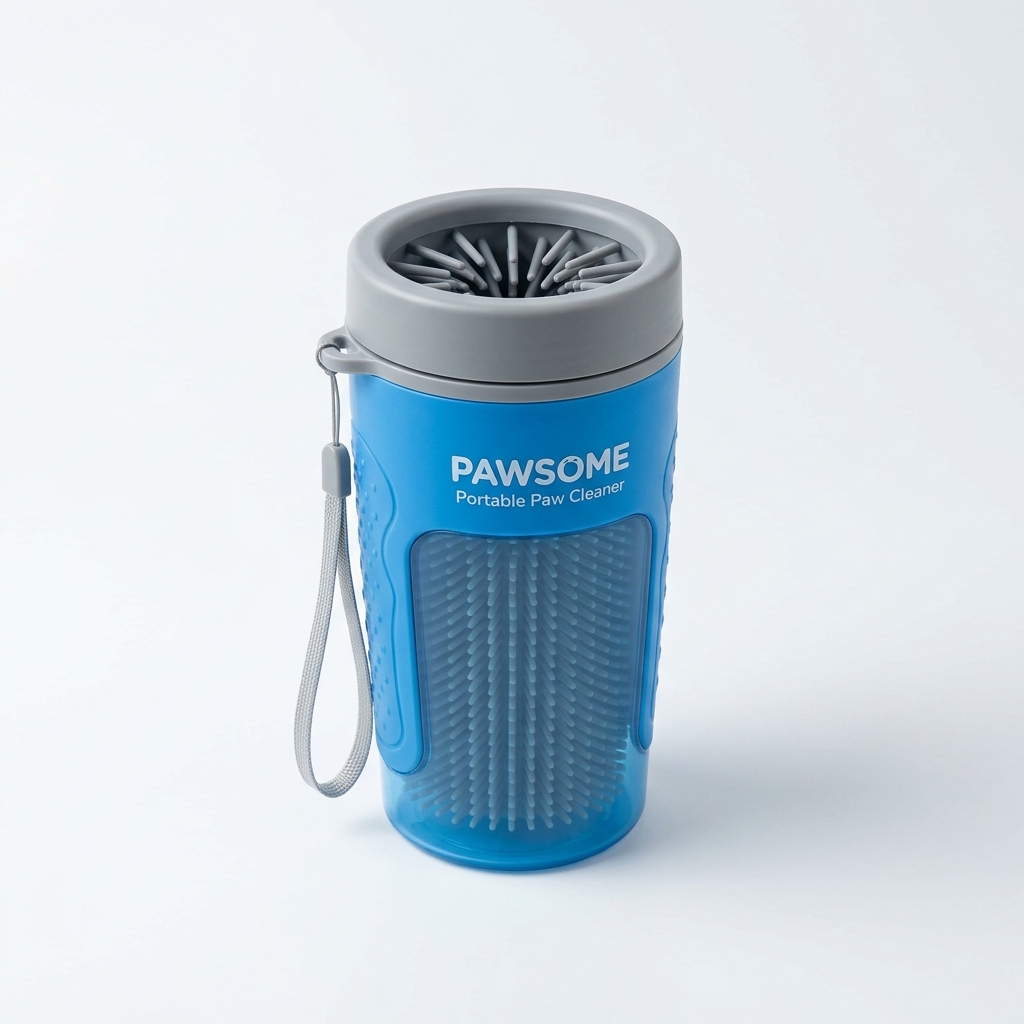

Frequently Asked Questions: Walking a German Shepherd Dog
Q: What temperature is officially too hot for a German Shepherd to walk?
Temperatures of 75°F (24°C) and above—especially with moderate to high humidity—are in the caution zone for German Shepherds. Above 82°F (28°C), walking should be restricted to short potty breaks to prevent heatstroke.
Q: Why do German Shepherds develop hot spots after walking in wet weather?
Their dense double coat traps rain and moisture against the skin for hours or even days. In warm weather, this damp microclimate causes micro-tears and rapid bacterial overgrowth (acute moist dermatitis), creating painful, weeping hot spots.
Q: How can I protect my German Shepherd's joints on icy winter walks?
Because GSDs are prone to hip dysplasia and cruciate ligament tears, avoid slippery ice and steep inclines. Use rubber-soled booties for traction on icy roads and wipe de-icer chemicals off their feet immediately upon returning home.