When is it Safe to Walk a Australian Kelpie? Safe Temperature Range & Walking Tolerance Chart
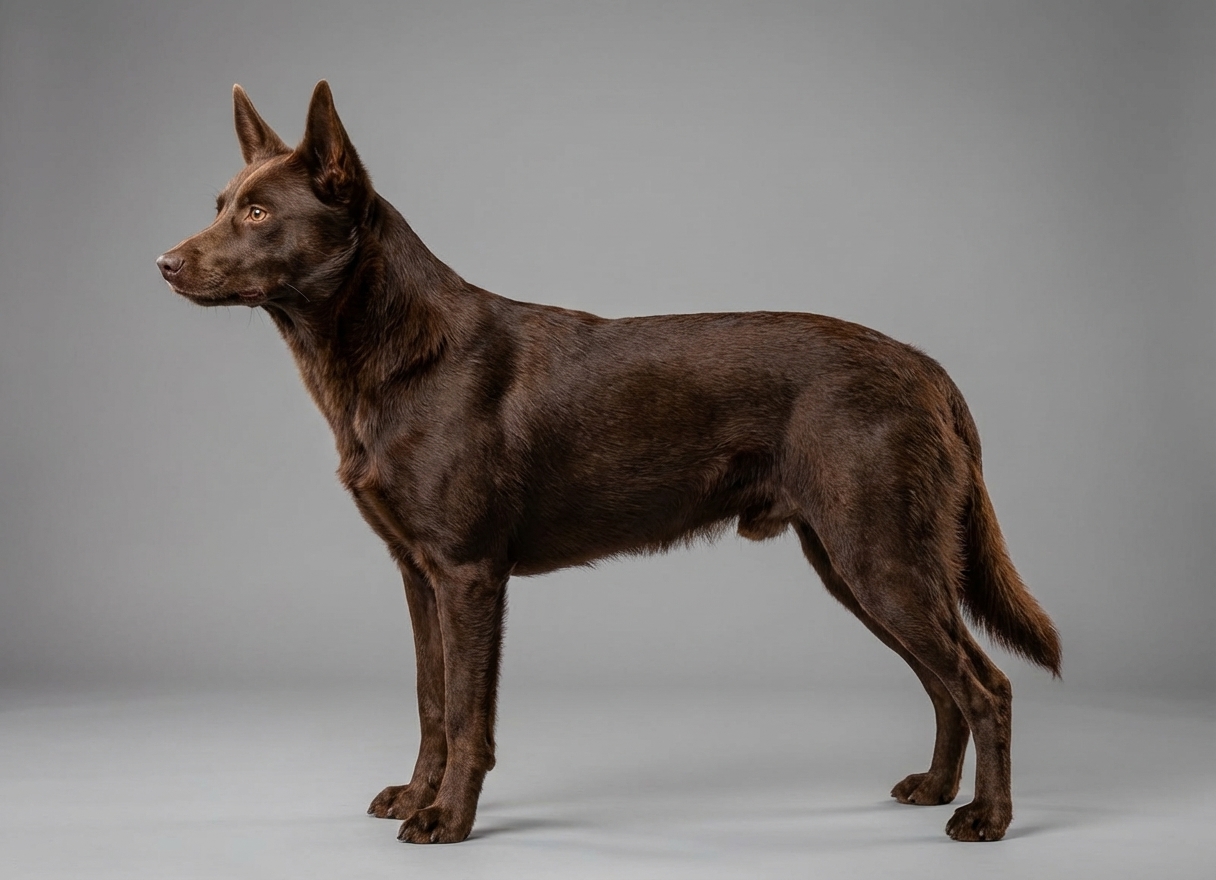
Quick Answer: Australian Kelpie Safe Temperature Limits
Optimal safe walking range for the Australian Kelpie (Herding group, short double): 32°F to 69°F (0°C to 21°C), with acute thermal danger below 10°F (-12°C) or above 75°F (24°C).
Safe Walking Temperature Chart for Australian Kelpies
| Safety Level | Air Temperature | Action |
|---|---|---|
| 🔴 Danger Zone (Cold) | Under 10°F (-12°C) | Severe frostbite risk for Australian Kelpies. Avoid outdoor walks. |
| 🟡 Caution Zone (Cold) | 10°F - 31°F (-12°C - -1°C) | Limit Australian Kelpie outing duration; use winter gear. |
| 🟢 Safe Zone | 32°F - 69°F (0°C - 21°C) | Ideal weather window for normal Australian Kelpie exercise. |
| 🟡 Caution Zone (Heat) | 70°F - 74°F (21°C - 23°C) | Watch Australian Kelpie panting; test asphalt 7 seconds. |
| 🔴 Danger Zone (Heat) | 75°F+ (24°C+) | Acute Australian Kelpie heatstroke & pad burn danger indoors only. |
Veterinary Climate & Thermoregulation Profile
A world-renowned working sheep dog developed to muster livestock across thousands of acres in the harsh, sun-drenched Australian outback. Boasts a weather-resistant double coat consisting of a short, straight outer coat and a short, dense undercoat that sheds water and dust. Kelpies have incredible heat endurance and cardiovascular stamina, but their relentless work ethic can mask dangerous dehydration and pad trauma.
Key Anatomical & Environmental Vulnerabilities
- Stoic heat exhaustion: Kelpies possess an extreme drive to work through heat, often continuing to run at full speed even with internal body temperatures exceeding 105°F (40.5°C).
- Rapid paw pad desiccation & sand/salt erosion: Constant high-speed movement over hot grit or frozen snow crust causes rapid micro-fissuring and pad wear.
- Freezing rain susceptibility: While their coat repels light dust and showers, soaking cold rain combined with sub-freezing winds can flatten their short undercoat, eliminating thermal loft.
In winter, comfortable down to 25°F (-4°C) as long as they remain in motion; apply pad wax on ice. In summer, they handle heat better than most breeds, but owners must force 5-minute hydration and shade rests every 20 minutes when temperatures top 85°F (29°C).
Keeping Your Australian Kelpie Warm Indoors?
Compare certified heated orthopedic dog beds vs. self-warming thermal pads for joint & arthritis relief.
Everyday Walking Essentials for Australian Kelpies
Sponsored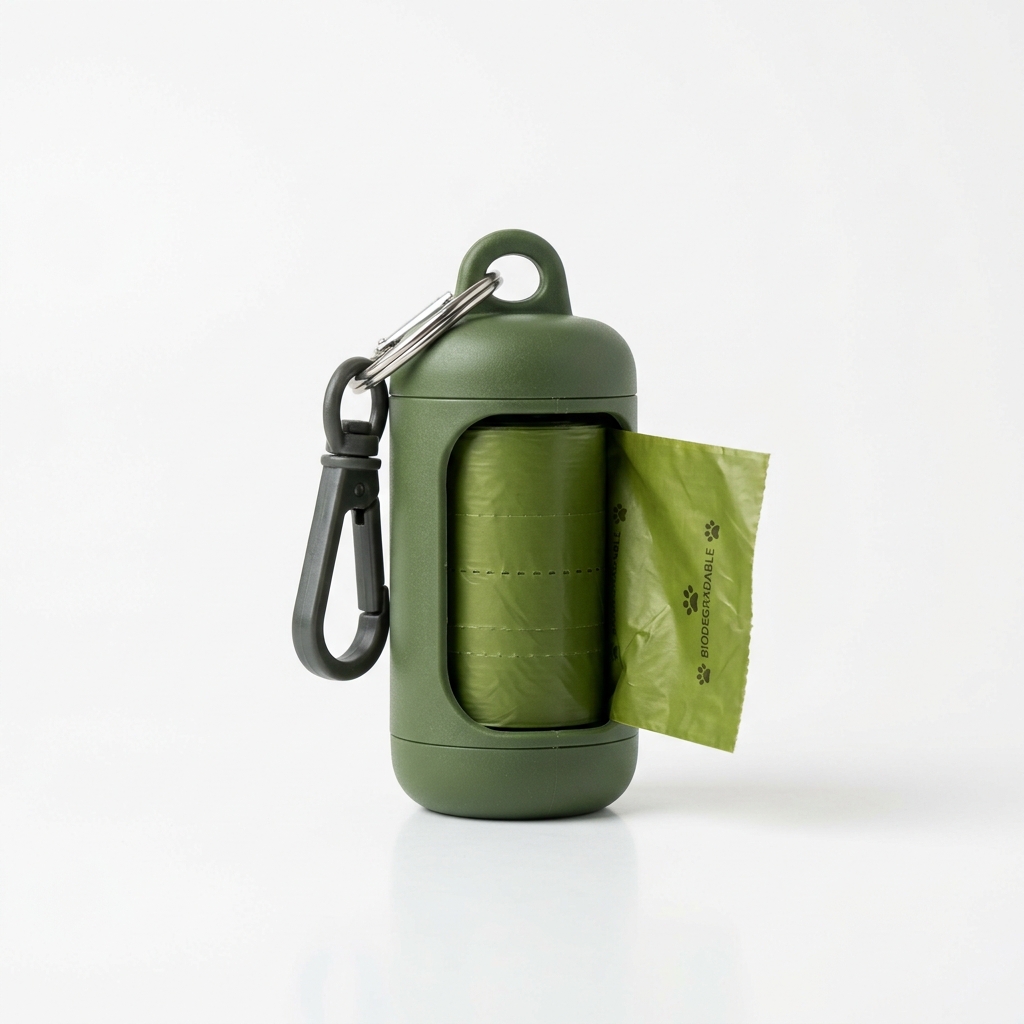
Frequently Asked Questions: Walking a Australian Kelpie
Q: How heat-tolerant is an Australian Kelpie?
Kelpies are among the most heat-resilient breeds, bred specifically for the Australian interior. However, high humidity impairs their cooling, and their boundless drive means they will not stop running voluntarily.
Q: Can an Australian Kelpie live in a cold, snowy climate?
Yes, their dense undercoat provides solid insulation down to 25°F (-4°C) if they stay active. If stationary or in wet freezing sleet, a lightweight waterproof coat is beneficial.
Q: How do I prevent my Kelpie from burning their paw pads during summer work?
Check surface temperature with your palm, apply paw wax containing beeswax, and carry a portable dog water bottle with electrolytes for vigorous summer trail sessions.
Australian Kelpie Health & Safety
As a highly cherished breed, the Australian Kelpie is famously intelligent, energetic, loyal, work-focused, alert. It is crucial for Australian Kelpie owners to always check the pavement temperature before heading outside for their daily walk.