Do Double-Coated Dogs Need Winter Coats?
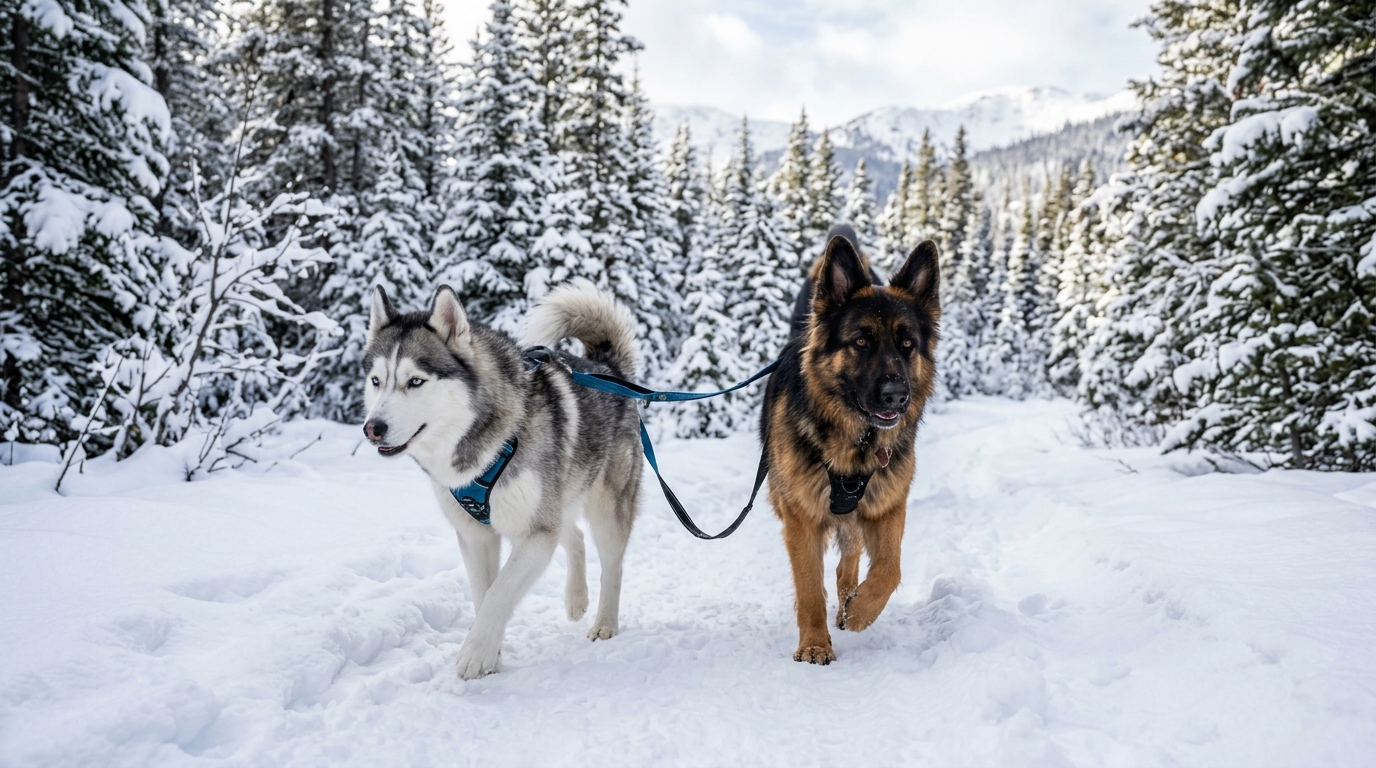
Do double-coated dogs need winter coats? In most normal winter conditions, healthy adult double-coated dogs do not need winter coats or insulated jackets. Their two-tier fur system—consisting of a dense, woolly undercoat that traps warm air and a water-resistant outer coat of guard hairs—provides natural thermal protection down to sub-freezing temperatures. In fact, placing an insulated coat on an active double-coated dog can compress their fur, trap excessive moisture, and cause rapid overheating or severe skin chafing. However, senior double-coated dogs, puppies, dogs suffering from arthritis, or pets facing freezing rain and blizzards can benefit from lightweight, non-restrictive waterproof shells.
Recommended Gear
Sponsored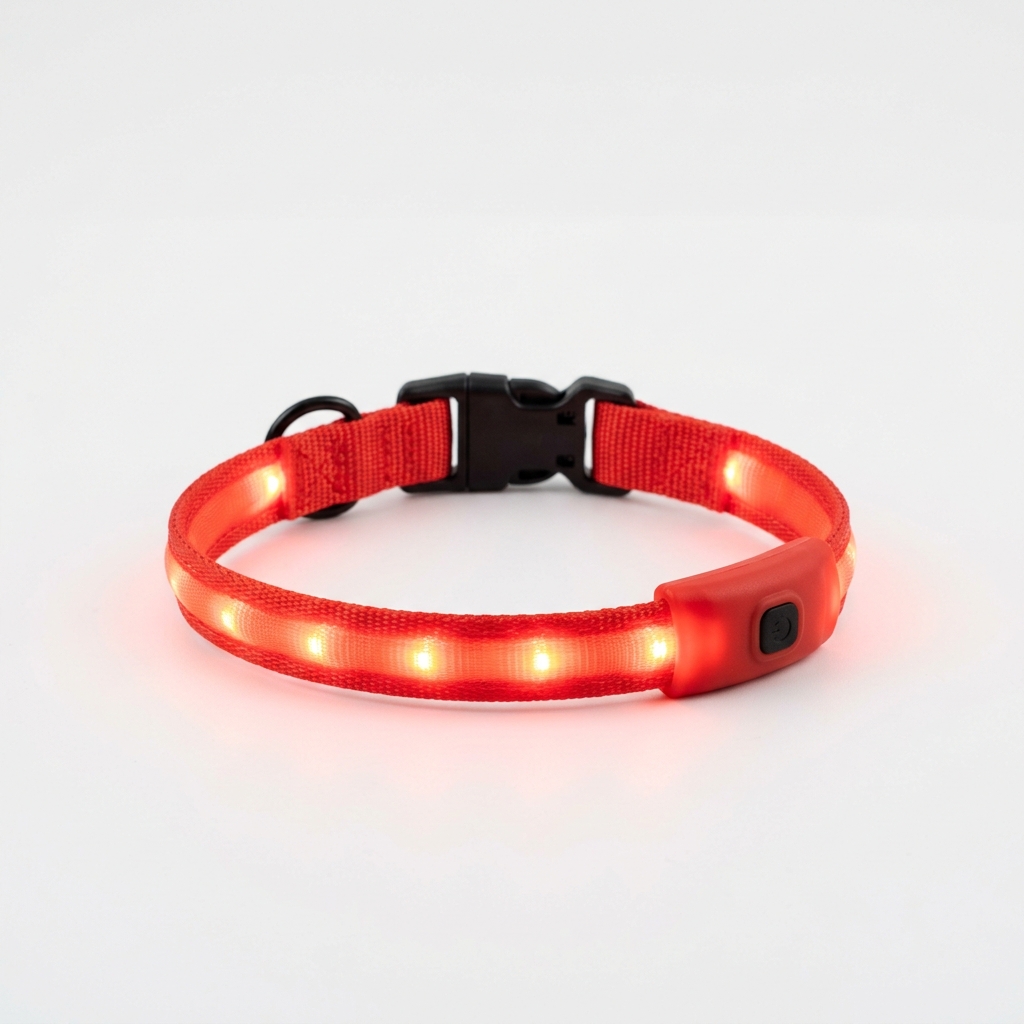
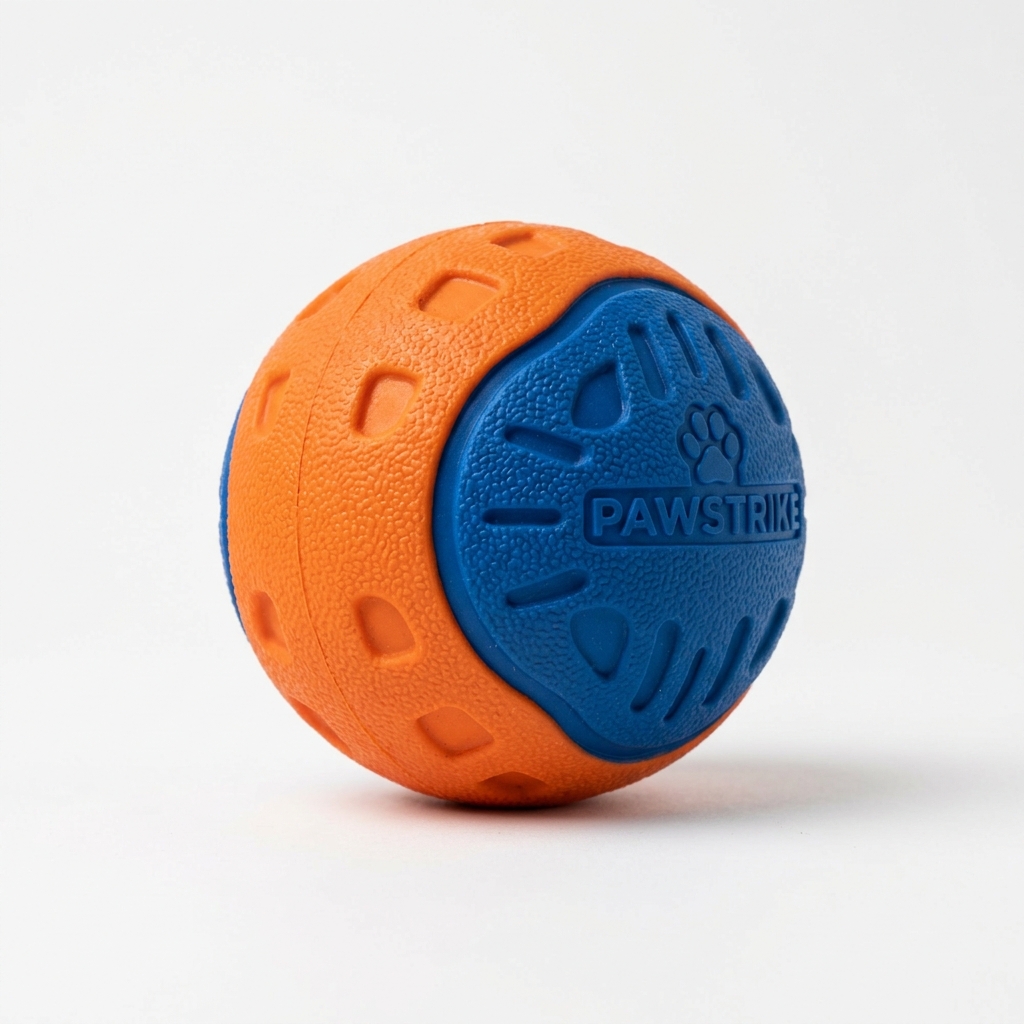
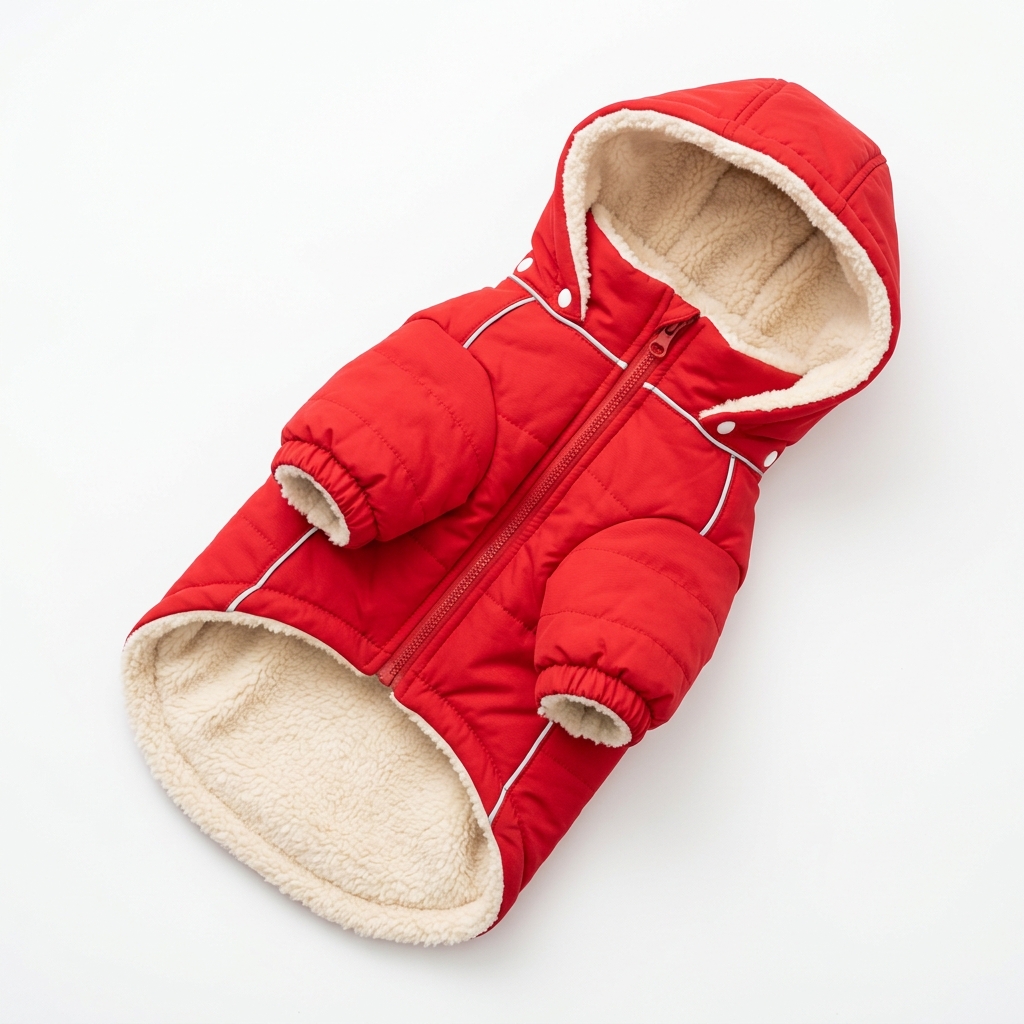
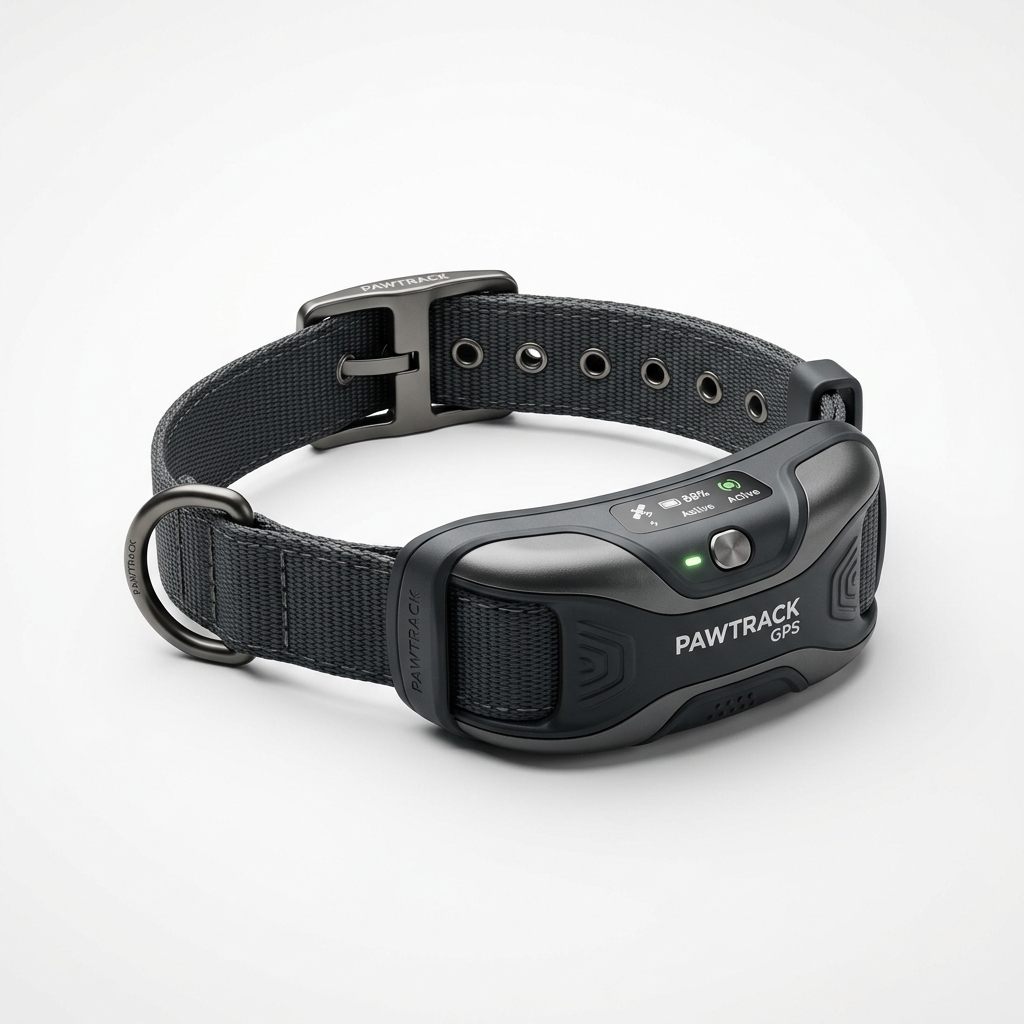
Before venturing outside during cold snaps, check your local Dog Walking Weather Forecast to verify current wind chill and ambient safety ranges for your dog's specific breed.
Quick Recommendation Matrix
- Healthy Northern & Mountain Breeds (Husky, Malamute, Great Pyrenees): No coat needed above 0°F (-18°C).
- Moderate Double Coats (German Shepherd, Australian Shepherd, Labrador Retriever, Golden Retriever): No coat needed above 20°F (-7°C) unless raining or slushy.
- Seniors, Arthritic, or Sick Dogs: Recommended below 35°F (2°C) to ease joint stiffness.
- Freezing Rain / Slush Conditions: Use an uninsulated, breathable waterproof shell to keep the undercoat dry.
How Does a Double Coat Protect Dogs in Winter?
To understand why outerwear is often unnecessary—and sometimes counterproductive—it helps to understand the biomechanics of canine thermoregulation.
A double coat consists of two distinct layers working in harmony:
- The Undercoat (Thermal Insulation): A dense layer of short, crimped, woolly fibers directly adjacent to the skin. This layer creates microscopic air pockets that trap body heat generated through metabolism. In cold climates, these trapped air pockets act just like a high-loft goose down duvet.
- The Outer Coat / Guard Hairs (Weather Shield): Longer, coarser hairs that repel water, snow, wind, and debris. Because guard hairs are coated in natural sebum oils, dry snow simply slides off the dog's back rather than melting and penetrating down to the skin.
Veterinary physiological studies note that the lower critical temperature (the environmental temperature below which an animal must increase metabolic heat production to maintain core body temperature) for northern double-coated breeds like Siberian Huskies is often well below -10°F (-23°C)[^1]. For comparison, single-coated short-haired breeds (like Greyhounds, Whippets, or French Bulldogs) begin experiencing cold stress at 45°F (7°C).
For detailed temperature threshold charts across breeds, explore our companion breakdown on How Cold Is Too Cold to Walk Your Dog.
When Can a Coat Harm a Double-Coated Dog?
Putting a thick parka or heavy winter sweater on a healthy double-coated dog is not just harmless "extra warmth"—it can actually impair their natural physiology:
1. Fur Compression Destroys Natural Loft
The warmth of a double coat comes entirely from the air trapped between hair fibers. A tight-fitting coat compresses the undercoat, squeezing out the trapped air. If the coat does not insulate as effectively as uncompressed fur, the dog can actually lose body heat faster than if they wore nothing at all.
2. Exercise-Induced Hyperthermia (Overheating)
Dogs cannot sweat through their skin; they regulate heat primarily via panting and minor vasodilation in paw pads. When an energetic dog runs through snow while wearing an insulated jacket, their muscles generate massive amounts of metabolic heat. Unable to dissipate that heat through their coat, dogs can experience exercise-induced hyperthermia even in sub-freezing air.
3. Trapped Moisture and Matting
Snow that manages to blow inside the neck or leg holes of a jacket melts against the dog's body heat. If trapped beneath a synthetic, non-breathable coat, the moisture dampens the undercoat. Wet fur loses up to 90% of its insulating capacity, placing the dog at acute risk for hypothermia once the jacket is removed. Additionally, wet friction creates severe friction matting in armpits and groins.
When Do Double-Coated Dogs Actually Need Winter Apparel?
While healthy working dogs thrive in snow without clothes, there are clear clinical and environmental scenarios where canine apparel is recommended:
| Scenario | Risk Factor | Recommended Gear Type |
|---|---|---|
| Senior Dogs (8+ years) | Reduced muscle mass, diminished metabolic circulation | Lightly fleece-lined, loose-fitting jacket |
| Arthritis & Joint Disease | Cold stiffens synovial joint fluid, aggravating pain | Ceramic or warming therapeutic coat |
| Freezing Rain & Heavy Slush | Water saturates guard hairs, wetting the undercoat | Waterproof, uninsulated breathable rainshell |
| Puppies (under 6 months) | Immature thermoregulatory response | Insulated coat for short potty breaks |
| Medical / Clipped Fur | Shaved areas for surgery or grooming accidents | Full-coverage thermal fleece |
If you are caring for an older pet during winter months, review our specialized clinical guide on Senior Dog Care and Weather Adaptations.
What Winter Gear Truly Matters for Double-Coated Breeds?
If winter coats are rarely necessary for double-coated breeds, where should pet owners focus their cold-weather defense budget?
Veterinarians universally agree: Paw protection and visibility are far more critical than body coats.
1. Paw Protection Against Ice Balls and Chemical Salts
While a Husky's chest is well-insulated, their paws directly contact freezing ground, sharp jagged crusts of ice, and corrosive sidewalk de-icers. Long hair between paw pads also collects snow, forming painful, compact ice balls that stretch toes and tear skin.
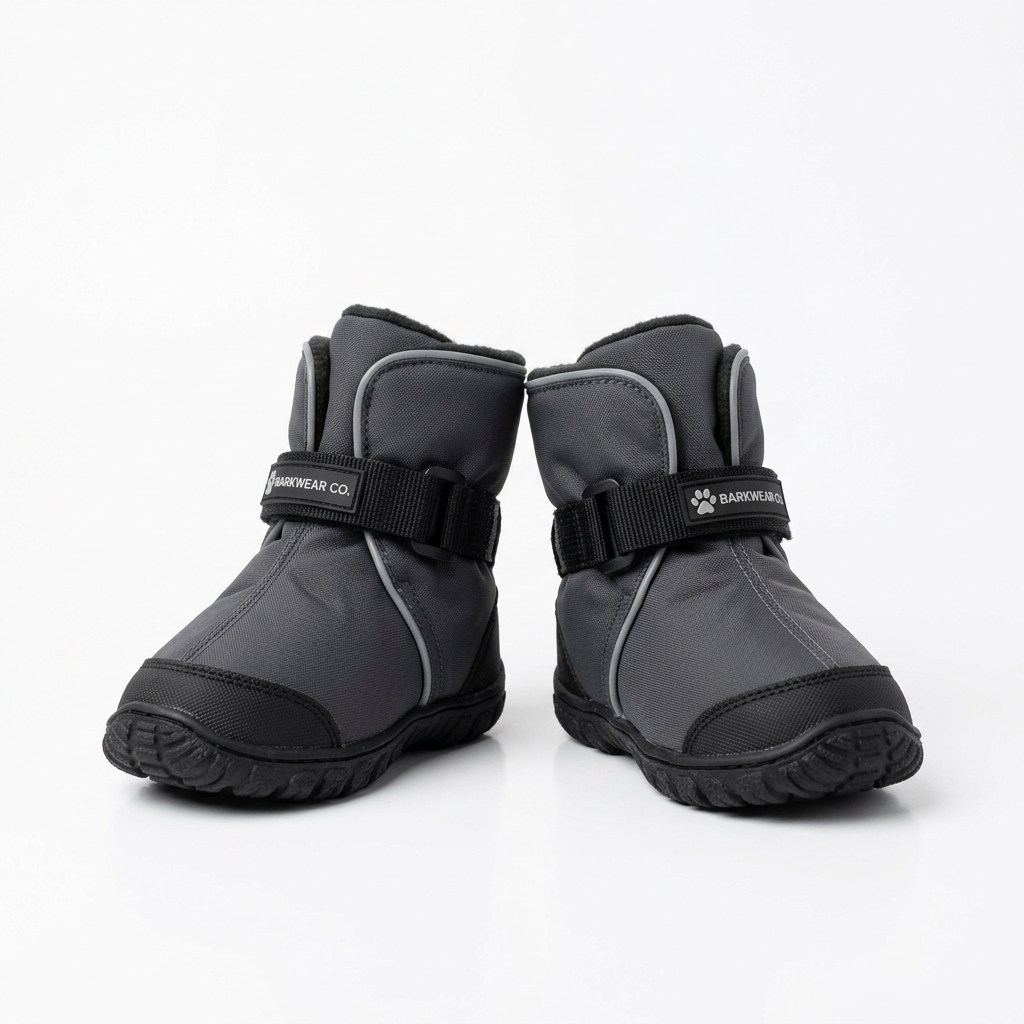
- Winter Booties: Provide an impermeable barrier against toxic calcium chloride and prevent ice ball formation. Read our curated review of the Top 5 Dog Booties for Snow and Ice.
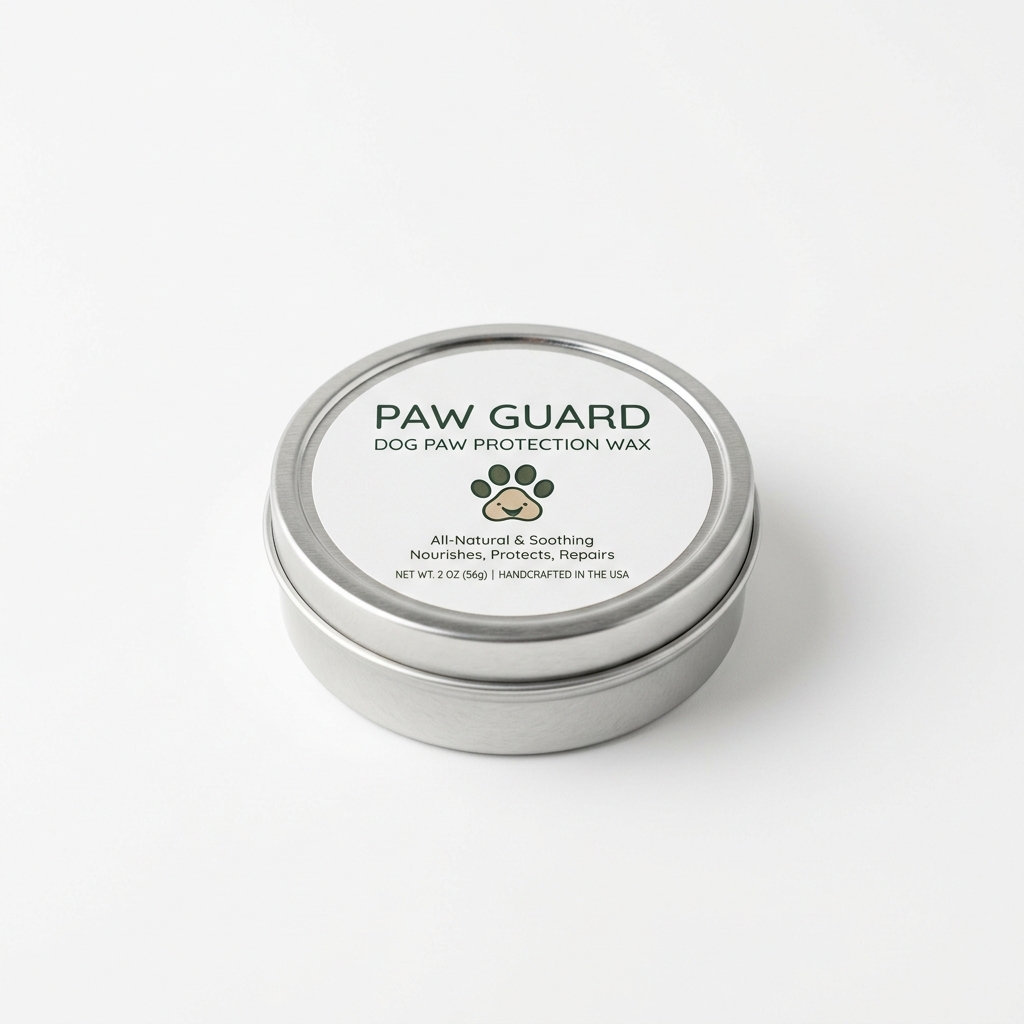
- All-Weather Paw Balm: For dogs that refuse boots, application of a dense carnauba or beeswax balm seals paw pads against chemical burns. See our recommendations in The Complete Guide to Paw Balms for Dogs.
2. High-Visibility & LED Gear for Short Winter Days
In winter, morning and evening walks almost always occur in twilight or pitch darkness. Heavy double coats swallow standard reflective trim.
- Lighted LED Collars and Harnesses: Equip your dog with an active illumination collar that cuts through long fur. For tips on night walk safety, visit our guide to Night Walking Dogs Safely in Winter.
Top Gear for Double-Coated Breeds in Winter
If your double-coated dog faces freezing slush or freezing rain, these vet-approved options keep them safe without causing overheating:
Hurtta Monsoon Coat
A waterproof, uninsulated shell designed specifically for thick-coated dogs. Shields from wet slush without trapping excessive body heat.
Musher's Secret Paw Wax
Originally engineered for Canadian sled dogs. 100% natural wax that repels ice balls and protects against salt burns.
Ruffwear Polar Trex Booties
Vibram-traction winter boots that give active dogs grip on packed snow and ice sheets without falling off.
PawsForecast earns from qualifying Amazon purchases. We only recommend gear tested for safety and canine physiological comfort.
Frequently Asked Questions
Can a German Shepherd wear a coat in the snow?
A healthy German Shepherd generally does not need a coat when walking or exercising in snow down to 20°F (-7°C). Because their double coat provides natural insulation, a jacket is only necessary if they are standing stationary for long periods, facing freezing rain that drenches their coat, or suffering from degenerative myelopathy or arthritis.
How can you tell if a double-coated dog is cold?
Watch for subtle clinical signs of hypothermia rather than assumptions based on human shivering. If a double-coated dog is cold, they will tuck their tail tight against their hindquarters, lift alternating paws off the freezing ground, seek shelter behind your legs, or whine and pull toward home. Once full-body shivering occurs, immediately move the dog indoors.
Should you shave a double coat in summer to help winter growth?
Never shave a double-coated dog. Shaving strips away guard hairs and damages the follicular cycle. When fur grows back, the undercoat often overpowers the guard hairs, creating a dull, porous texture that readily absorbs water, tangles into painful mats, and loses both cold insulation and summer UV protection. Learn more in our guide to Caring for Double-Coated Dogs in Summer.
Related Safety Guides
- Does Your Dog Need a Winter Coat? The Complete Guide
- How Cold Is Too Cold to Walk Your Dog?
- Top 5 Dog Booties for Snow and Ice
- Frostbite in Dogs: Prevention and Treatment
- Rock Salt Hazards and Dog Paw Protection
Sources & References
[^1]: Morrison, P. R., & Tietz, W. J. (1957). Cooling and thermogenesis in the Alaskan red-backed vole and Siberian Husky. Journal of Cellular and Comparative Physiology, 49(1), 101-118.
[^2]: American Veterinary Medical Association (AVMA). Cold weather pet safety tips. AVMA Animal Health Resources.
[^3]: Scholander, P. F., Hock, R., Walters, V., Johnson, F., & Irving, L. (1950). Heat regulation in some arctic and tropical mammals and birds. The Biological Bulletin, 99(2), 237-258.
[^4]: Campbell, K. L. (2018). Small Animal Dermatology: A Color Atlas and Therapeutic Guide. Elsevier Health Sciences.
Protect Your Dog's Paws Today
Always check the PawsForecast dashboard before heading out to get a real-time estimate of the pavement temperature in your exact location!
Check Live Pavement Temp