When is it Safe to Walk a Boxer? Safe Temperature Range & Walking Tolerance Chart
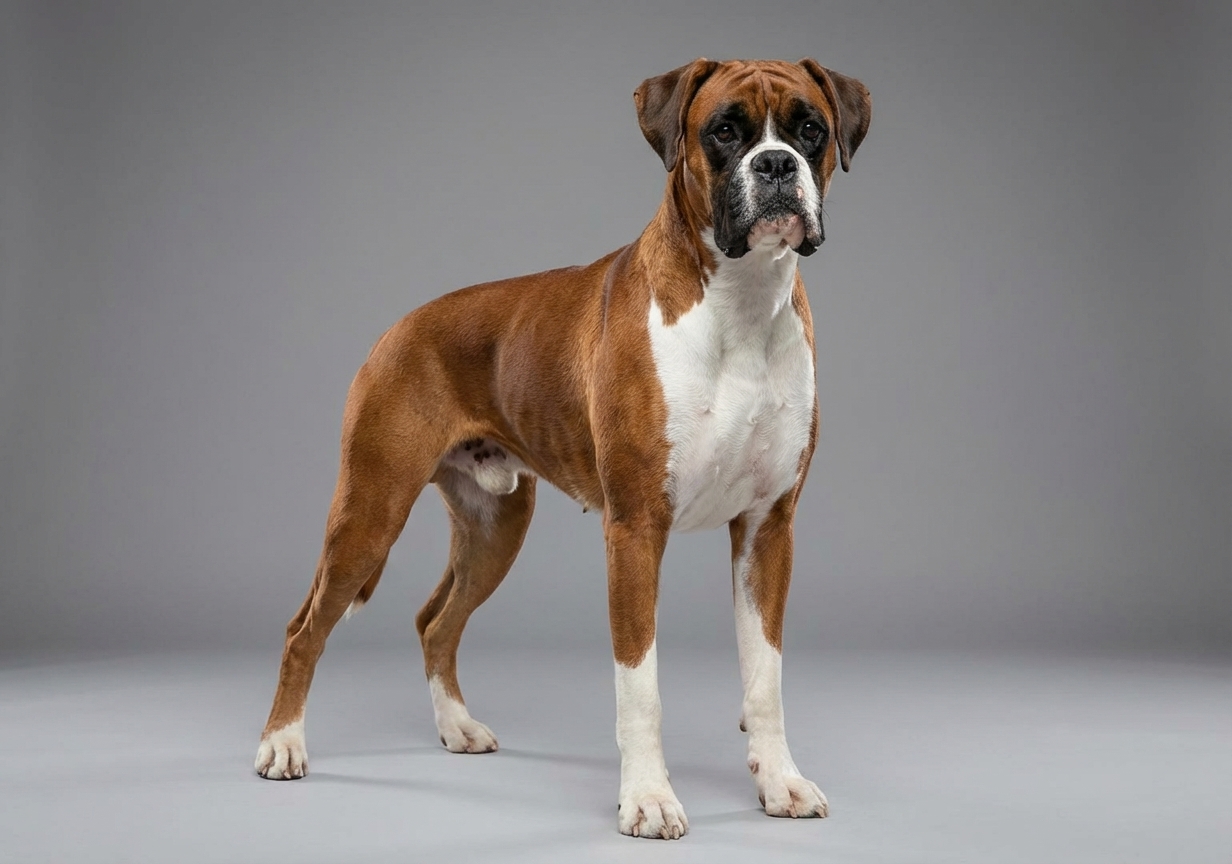
Quick Answer: Boxer Safe Temperature Limits
Optimal safe walking range for the Boxer (Working group, short smooth): 45°F to 69°F (7°C to 21°C), with acute thermal danger below 20°F (-7°C) or above 75°F (24°C).
Safe Walking Temperature Chart for Boxers
| Safety Level | Air Temperature | Action |
|---|---|---|
| 🔴 Danger Zone (Cold) | Under 20°F (-7°C) | Severe frostbite risk for Boxers. Avoid outdoor walks. |
| 🟡 Caution Zone (Cold) | 20°F - 44°F (-7°C - 7°C) | Limit Boxer outing duration; use winter gear. |
| 🟢 Safe Zone | 45°F - 69°F (7°C - 21°C) | Ideal weather window for normal Boxer exercise. |
| 🟡 Caution Zone (Heat) | 70°F - 74°F (21°C - 23°C) | Watch Boxer panting; test asphalt 7 seconds. |
| 🔴 Danger Zone (Heat) | 75°F+ (24°C+) | Acute Boxer heatstroke & pad burn danger indoors only. |
Veterinary Climate & Thermoregulation Profile
A muscular, short-coated working breed with a distinct brachycephalic (short-muzzled) facial structure, the Boxer is uniquely vulnerable to thermal extremes. Their smooth single coat provides virtually zero insulating barrier against winter freezes, while their shortened upper respiratory tract severely limits evaporative cooling through panting. This anatomical combination requires strict seasonal vigilance to prevent acute hypothermia in winter and fatal heatstroke in summer.
Key Anatomical & Environmental Vulnerabilities
- Dual-extreme thermal vulnerability: Cannot tolerate temperatures below 40°F (4°C) without artificial clothing, nor humid heat above 78°F (26°C) due to shortened airways.
- Arrhythmogenic Right Ventricular Cardiomyopathy (ARVC) & heat collapse: Boxers have high genetic predisposition to myocardial disease; exercising in hot weather places extreme stress on their cardiovascular system, risking syncope and sudden collapse.
- Direct skin solar radiation: Their short, tight coat provides little barrier against UV rays, leading to rapid solar heating and elevated risk of solar dermatitis on white or lightly pigmented coats.
In winter, a warm, chest-covering coat is mandatory for any walk below 45°F (7°C), and limit exposure to under 15 minutes in sub-freezing temps. In summer, strictly avoid exercise during peak daylight hours; walk early morning or late evening, keeping sessions calm.
Walking Your Boxer in Freezing Temps?
Thin-coated breeds lose body heat fast. Compare top-tested winter dog booties & cold-weather jackets.
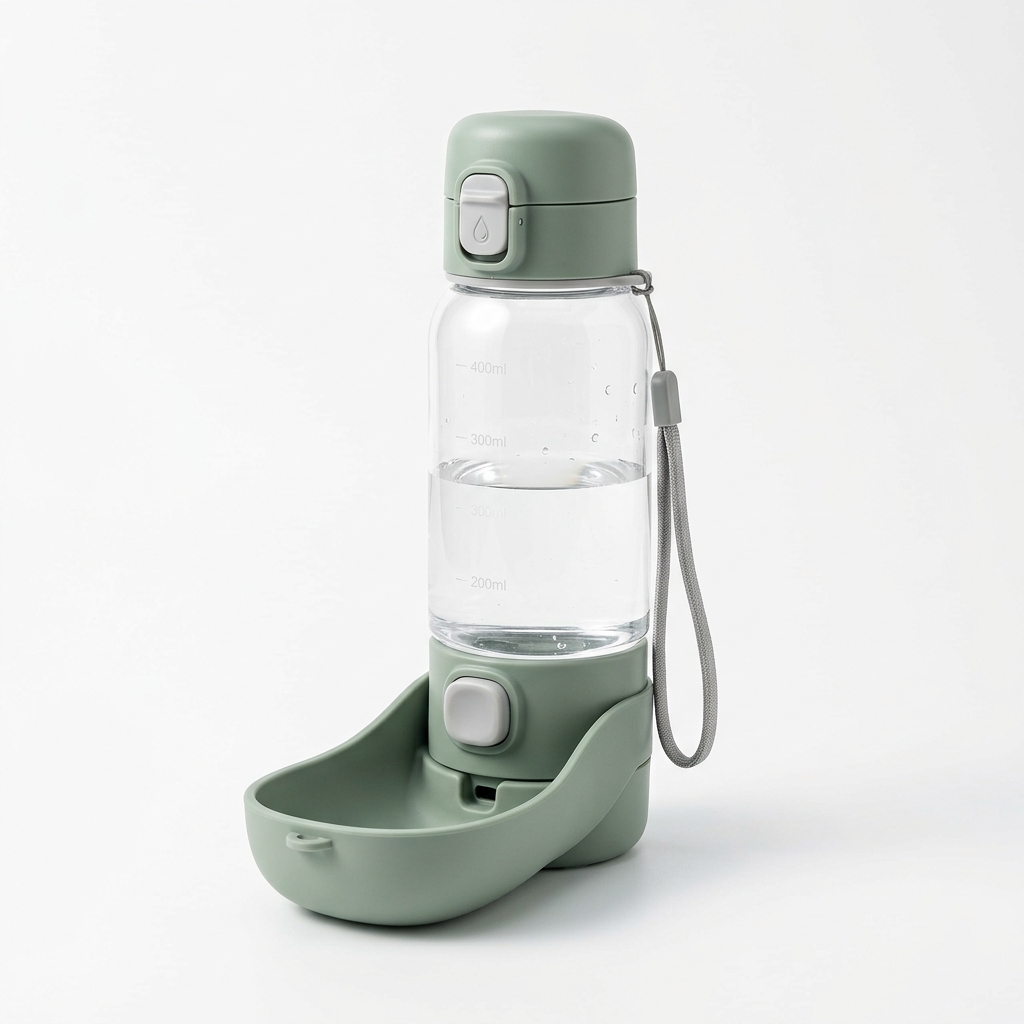
Summer Safety Gear for Boxers
Sponsored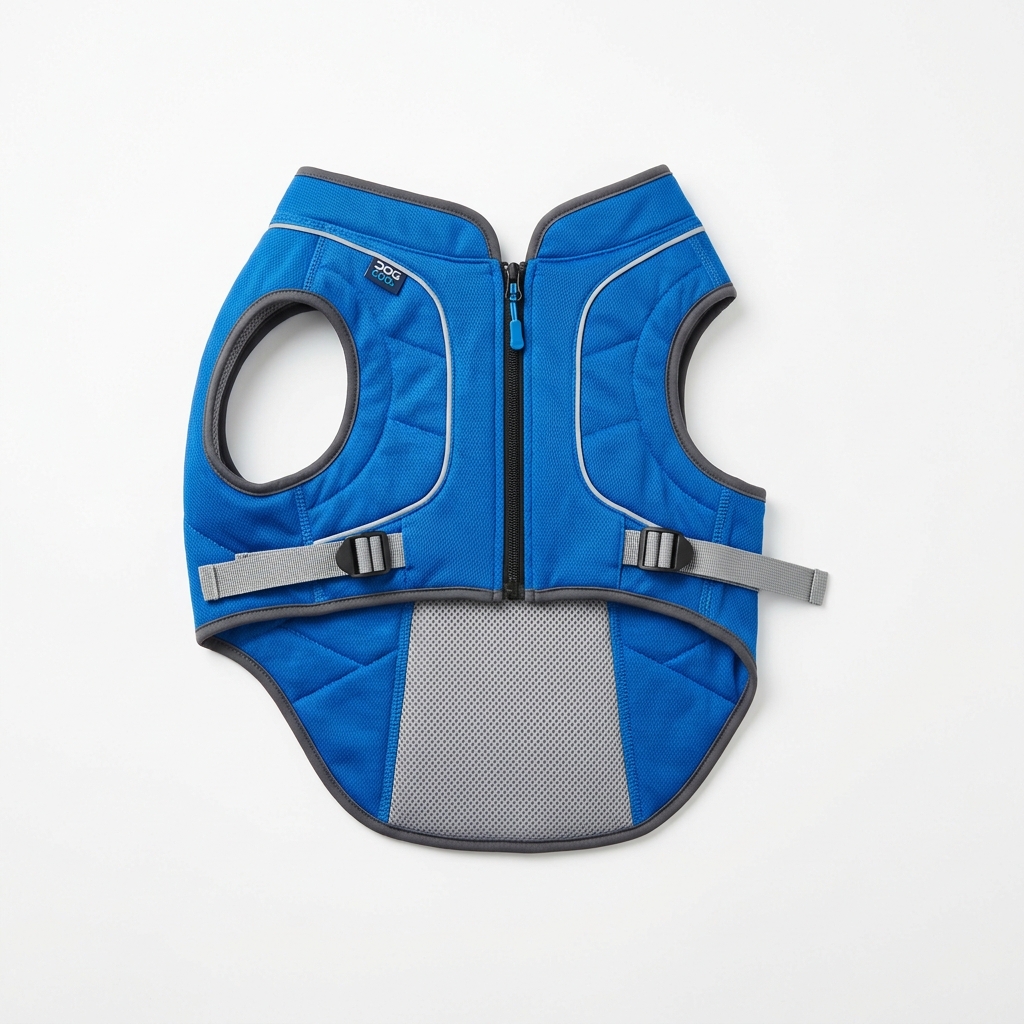
Frequently Asked Questions: Walking a Boxer
Q: Why do Boxers get cold so quickly compared to other large dogs?
Boxers have a tight single coat with zero undercoat and very lean muscle mass with minimal insulating body fat. They shed heat almost immediately when ambient temperatures drop below 45°F (7°C).
Q: Is humidity dangerous for Boxers?
Yes. Their moderately shortened muzzle reduces the surface area available in the upper respiratory tract for evaporative cooling. In high humidity (>60%), panting cannot cool their blood, causing rapid internal heat spikes.
Q: What signs of heat exhaustion should Boxer owners watch for?
Heavy, noisy panting, tongue hanging out unusually wide with a purplish or brick-red hue, excessive thick drool, staggering, and glazed eyes. Stop exercise immediately and apply cool water to their groin and paws.
Boxer Health & Safety
As a highly cherished breed, the Boxer is famously playful, energetic, loyal, intelligent, friendly, alert. It is crucial for Boxer owners to always check the pavement temperature before heading outside for their daily walk.