When is it Safe to Walk a Chinese Shar Pei? Safe Temperature Range & Walking Tolerance Chart

Quick Answer: Chinese Shar Pei Safe Temperature Limits
Optimal safe walking range for the Chinese Shar-Pei (Non-Sporting group, short short): 50°F to 69°F (10°C to 21°C), with acute thermal danger below 32°F (0°C) or above 85°F (29°C).
Safe Walking Temperature Chart for Chinese Shar-Peis
| Safety Level | Air Temperature | Action |
|---|---|---|
| 🔴 Danger Zone (Cold) | Under 32°F (0°C) | Severe frostbite risk for Chinese Shar-Peis. Avoid outdoor walks. |
| 🟡 Caution Zone (Cold) | 32°F - 49°F (0°C - 9°C) | Limit Chinese Shar-Pei outing duration; use winter gear. |
| 🟢 Safe Zone | 50°F - 69°F (10°C - 21°C) | Ideal weather window for normal Chinese Shar-Pei exercise. |
| 🟡 Caution Zone (Heat) | 70°F - 84°F (21°C - 29°C) | Watch Chinese Shar-Pei panting; test asphalt 7 seconds. |
| 🔴 Danger Zone (Heat) | 85°F+ (29°C+) | Acute Chinese Shar-Pei heatstroke & pad burn danger indoors only. |
Veterinary Climate & Thermoregulation Profile
An ancient Chinese guardian and farm breed, the Shar-Pei is instantly recognizable by its loose, deeply wrinkled skin, tiny folded ears, blue-black tongue, and harsh, bristly coat (either 'horse' or 'brush' coat). While their broad build and sturdy frame provide moderate cold resistance down to 30°F (-1°C), their unique dermatology and moderately shortened muzzle present substantial environmental vulnerabilities: moisture trapped in deep skin folds rapidly causes severe fungal and bacterial pyoderma, while tight ear canals are prone to chronic otitis.
Key Anatomical & Environmental Vulnerabilities
- Intertriginous fold infections from rain and humidity: Moisture trapped between deep skin folds creates an anaerobic microclimate, triggering acute bacterial intertrigo and Malassezia yeast flare-ups.
- Stenotic ear canal swelling in damp cold: Extremely narrow, tightly folded ear canals retain dampness from rain or snow, causing painful otitis externa.
- Muzzle airway resistance in summer heat: Broad muzzles and thickened soft tissue restrict airflow, creating heat vulnerability during humid walks over 75°F (24°C).
In winter, Shar-Pei can walk down to 30°F (-1°C); dry skin folds with clean microfiber cloths immediately after any wet walk. In summer, cap walks below 75°F (24°C), avoid high-humidity days, and never allow them to exercise vigorously in midday heat.
Walking Your Chinese Shar-Pei in Freezing Temps?
Thin-coated breeds lose body heat fast. Compare top-tested winter dog booties & cold-weather jackets.
Everyday Walking Essentials for Chinese Shar Peis
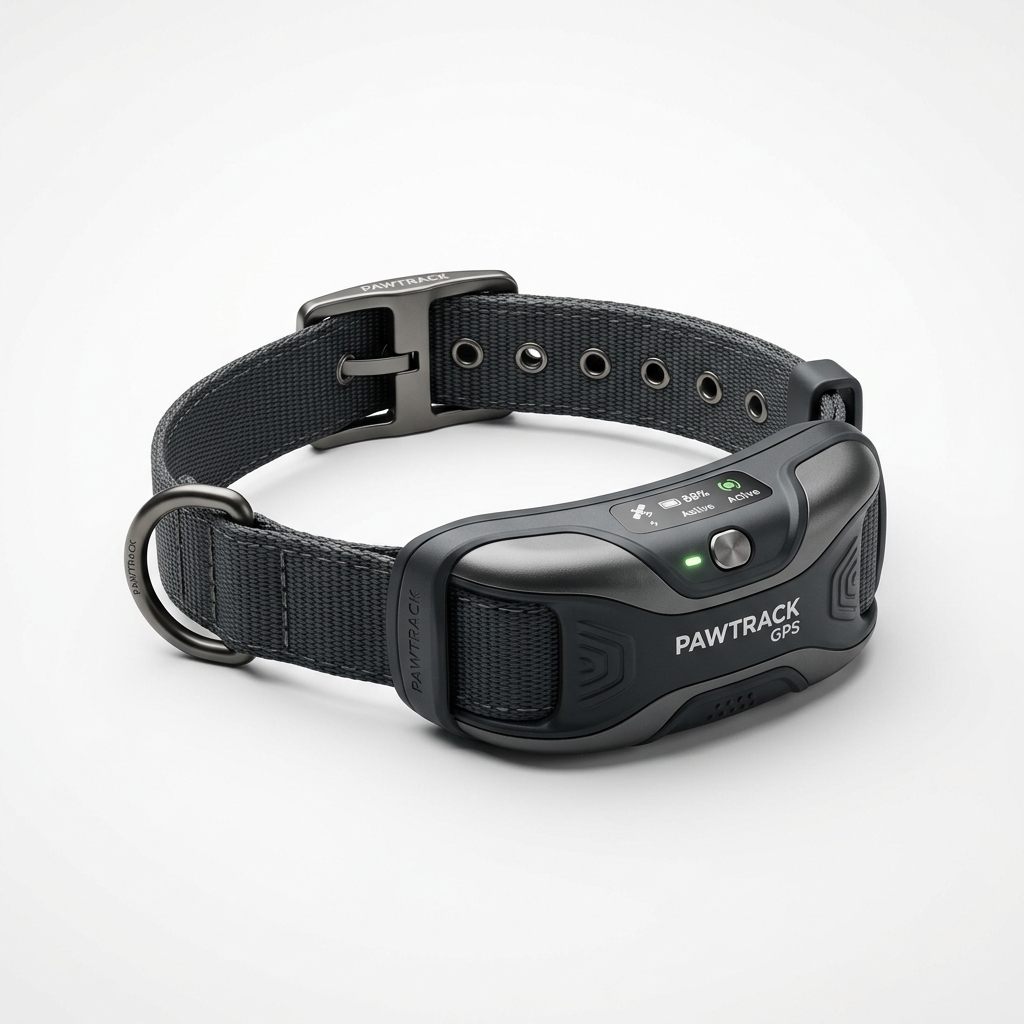
Sponsored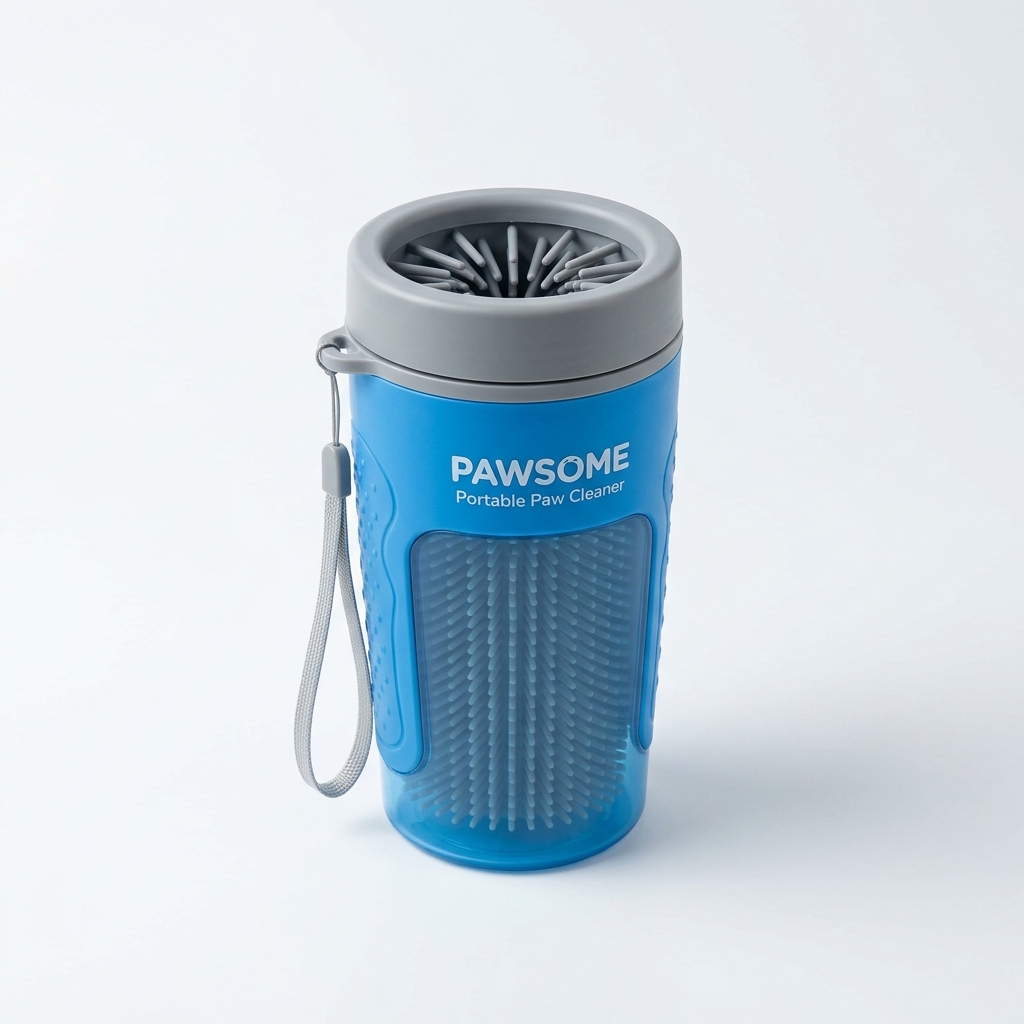
Frequently Asked Questions: Walking a Chinese Shar-Pei
Q: How does humidity affect a Chinese Shar-Pei's skin wrinkles?
High humidity traps moisture and sweat inside their deep facial and body folds, leading to rapid bacterial growth, yeast infections, and painful friction sores. Thoroughly wipe and dry all folds after every humid or rainy walk.
Q: Can a Shar-Pei walk in freezing winter temperatures?
Healthy adult Shar-Pei tolerate cold down to 30°F (-1°C) without issue. In temperatures below 25°F (-4°C), use an insulated coat to protect their short, bristly fur from freezing wind.
Q: What is the safest temperature to walk a Chinese Shar-Pei?
The ideal walking window for a Shar-Pei is between 40°F (4°C) and 70°F (21°C). Once temperatures exceed 75°F (24°C), limit walks to short potty breaks in the shade.
Chinese Shar-Pei Health & Safety
The Chinese Shar-Pei requires careful monitoring during extreme weather. Known for being loyal, independent, calm, alert, protective, intelligent, owners must adjust walk times to protect their paw pads and prevent heat exhaustion.