When is it Safe to Walk a Siberian Husky? Safe Temperature Range & Walking Tolerance Chart

Quick Answer: Siberian Husky Safe Temperature Limits
Optimal safe walking range for the Siberian Husky (Working group, medium double): 32°F to 69°F (0°C to 21°C), with acute thermal danger below 10°F (-12°C) or above 75°F (24°C).
Safe Walking Temperature Chart for Siberian Huskys
| Safety Level | Air Temperature | Action |
|---|---|---|
| 🔴 Danger Zone (Cold) | Under 10°F (-12°C) | Severe frostbite risk for Siberian Huskys. Avoid outdoor walks. |
| 🟡 Caution Zone (Cold) | 10°F - 31°F (-12°C - -1°C) | Limit Siberian Husky outing duration; use winter gear. |
| 🟢 Safe Zone | 32°F - 69°F (0°C - 21°C) | Ideal weather window for normal Siberian Husky exercise. |
| 🟡 Caution Zone (Heat) | 70°F - 74°F (21°C - 23°C) | Watch Siberian Husky panting; test asphalt 7 seconds. |
| 🔴 Danger Zone (Heat) | 75°F+ (24°C+) | Acute Siberian Husky heatstroke & pad burn danger indoors only. |
Veterinary Climate & Thermoregulation Profile
Developed by the Chukchi people of northeastern Siberia to haul light loads over vast frozen distances, the Siberian Husky is the quintessential Arctic endurance sled dog. Featuring a medium, compact frame, a cashmere-soft insulating undercoat, and a straight, water-repellent guard coat, Huskies possess world-class cold tolerance down to -30°F (-34°C). However, this extraordinary thermal insulation makes them acutely vulnerable to exertional heatstroke in warm or humid climates.
Key Anatomical & Environmental Vulnerabilities
- Acute exertional heatstroke above 70°F: Their double coat is engineered to prevent heat from escaping; running or vigorous exercise in temperatures over 70°F (21°C) can cause internal temperatures to exceed 106°F (41°C).
- Humidity barrier to evaporative cooling: Thick double coat blocks passive convective cooling, meaning high summer humidity completely cripples their panting mechanism.
- Paw pad abrasion on jagged crusty ice: High-speed running across frozen crusty snow or sharp ice ruts can slice pad margins and tear dewclaws without durable booties.
In winter, Huskies are in their element down to -30°F (-34°C) and require no coats; use mushing booties on sharp crusty ice. In summer, restrict all walks to early dawn before sunrise, keep walks calm once temperatures exceed 68°F (20°C), and never shave their double coat.
Protecting Your Siberian Husky's Paws from Toxic Salt?
Traditional rock salt causes 140°F chemical burns. Discover 100% salt-free, vet-approved pet-safe ice melts.
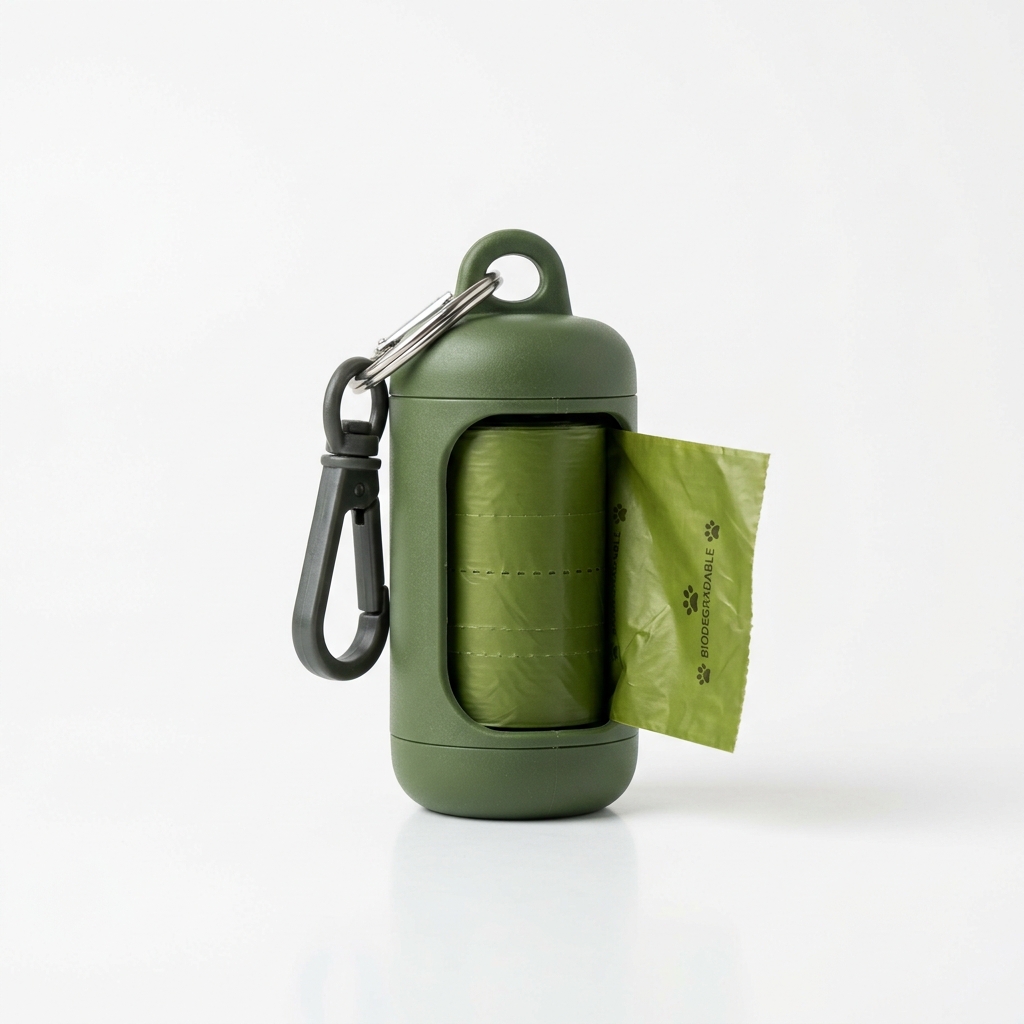
Everyday Walking Essentials for Siberian Huskys
Sponsored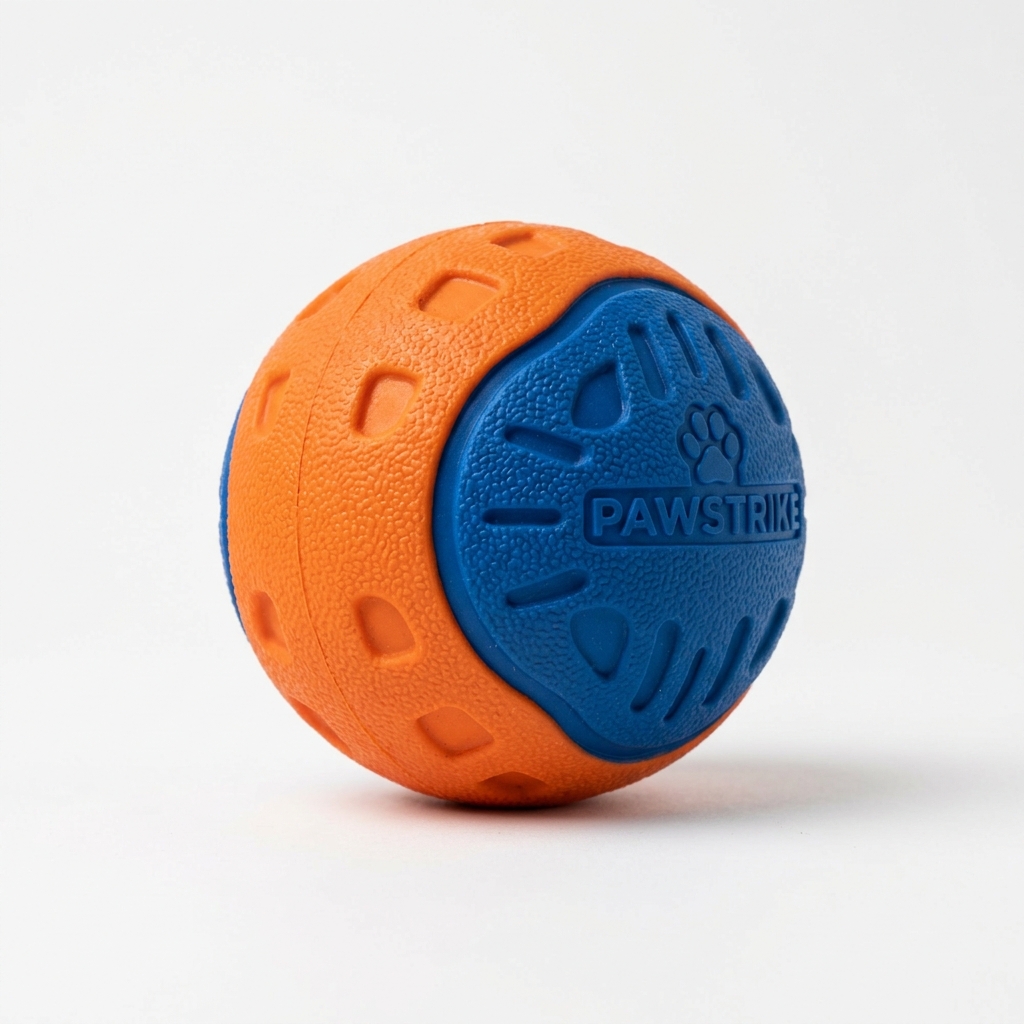
Frequently Asked Questions: Walking a Siberian Husky
Q: How cold can a Siberian Husky safely tolerate?
Healthy adult Siberian Huskies comfortably handle sub-zero cold down to -20°F (-29°C) to -30°F (-34°C) during active movement. Their dual-layer coat and warm undercoat provide complete natural insulation.
Q: Can Siberian Huskies live and walk safely in warm southern climates?
Yes, but with strict summer protocols. During warm months, all exercise must take place in the cool early dawn before temperatures rise above 70°F (21°C), with access to air conditioning 24/7.
Q: Why should you never shave a Siberian Husky in the summer?
Shaving a Husky strips away the guard hairs that reflect solar radiation and protect against sunburn. It traps warm air against their skin, increases heatstroke risk, and can permanently ruin the coat.
Siberian Husky Health & Safety
As a highly cherished breed, the Siberian Husky is famously friendly, outgoing, intelligent, alert, gentle, independent, energetic. It is crucial for Siberian Husky owners to always check the pavement temperature before heading outside for their daily walk.