Best Pet-Safe Ice Melts for Driveways: 2026 Guide

What is the best pet-safe ice melt for driveways? The safest and most effective pet-safe ice melts use modified urea compounds or Calcium Magnesium Acetate (CMA) rather than traditional chloride salts. Unlike standard rock salt (sodium chloride) and calcium chloride—which produce caustic exothermic chemical reactions that cause agonizing paw pad burns and gastrointestinal poisoning when licked—veterinarian-approved formulas melt ice down to sub-zero temperatures without generating heat or eroding driveway concrete. For homeowners walking dogs daily, top-rated salt-free formulas like Safe Paw provide rapid traction while eliminating toxic chemical ingestion risks.
Recommended Gear
Sponsored

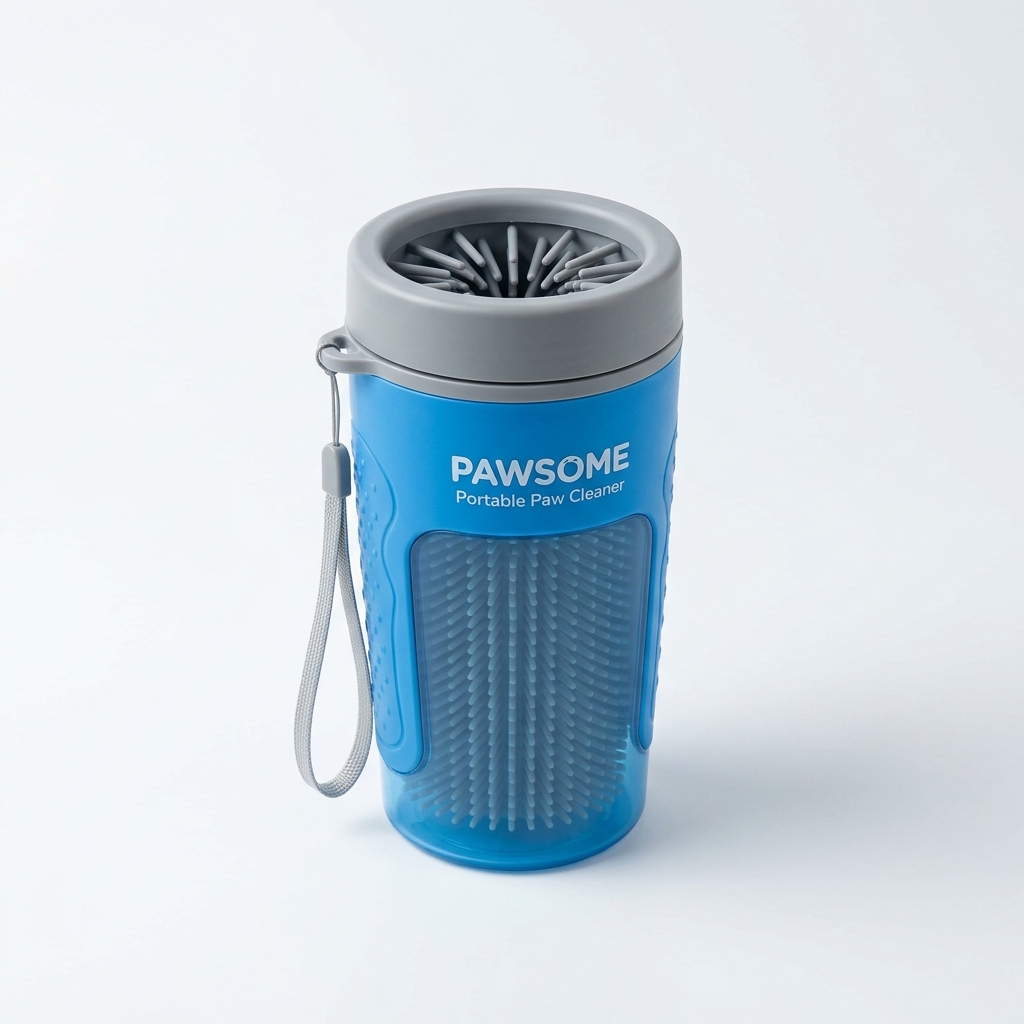

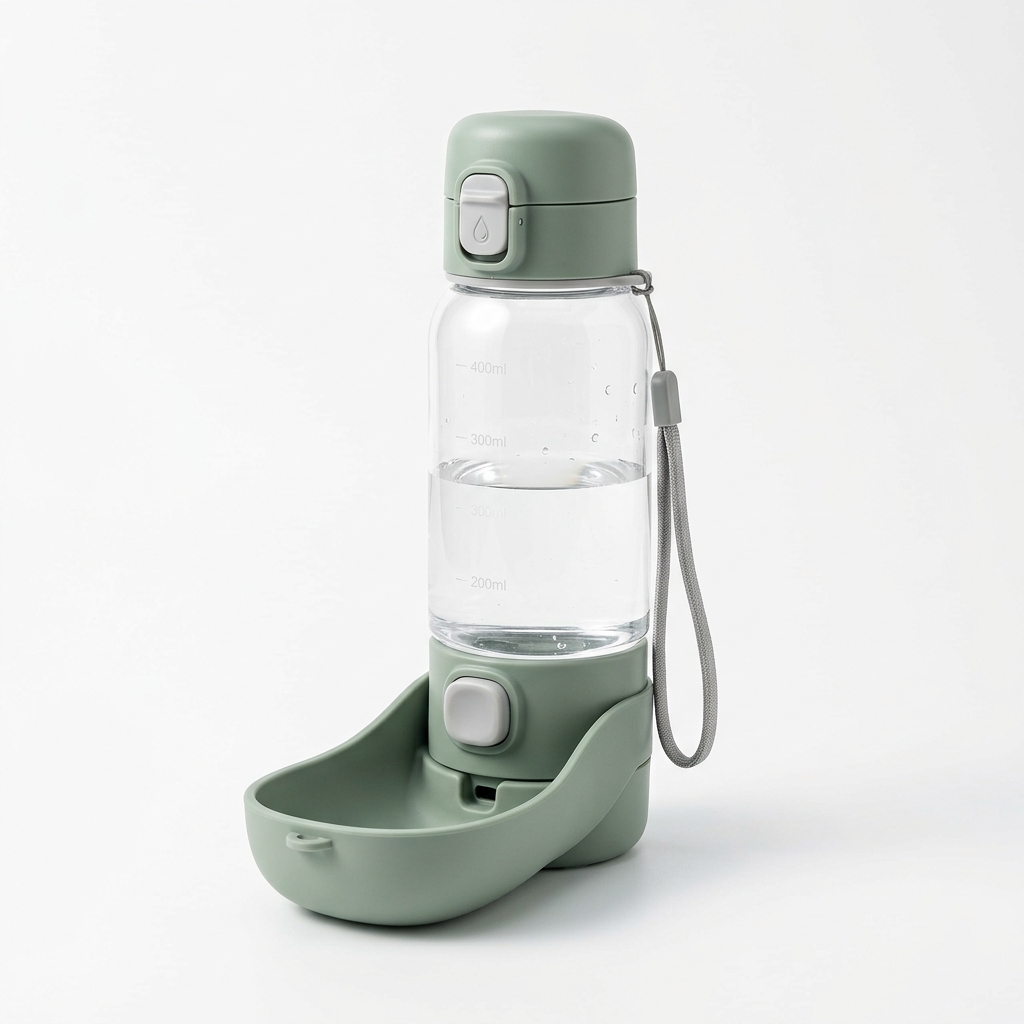
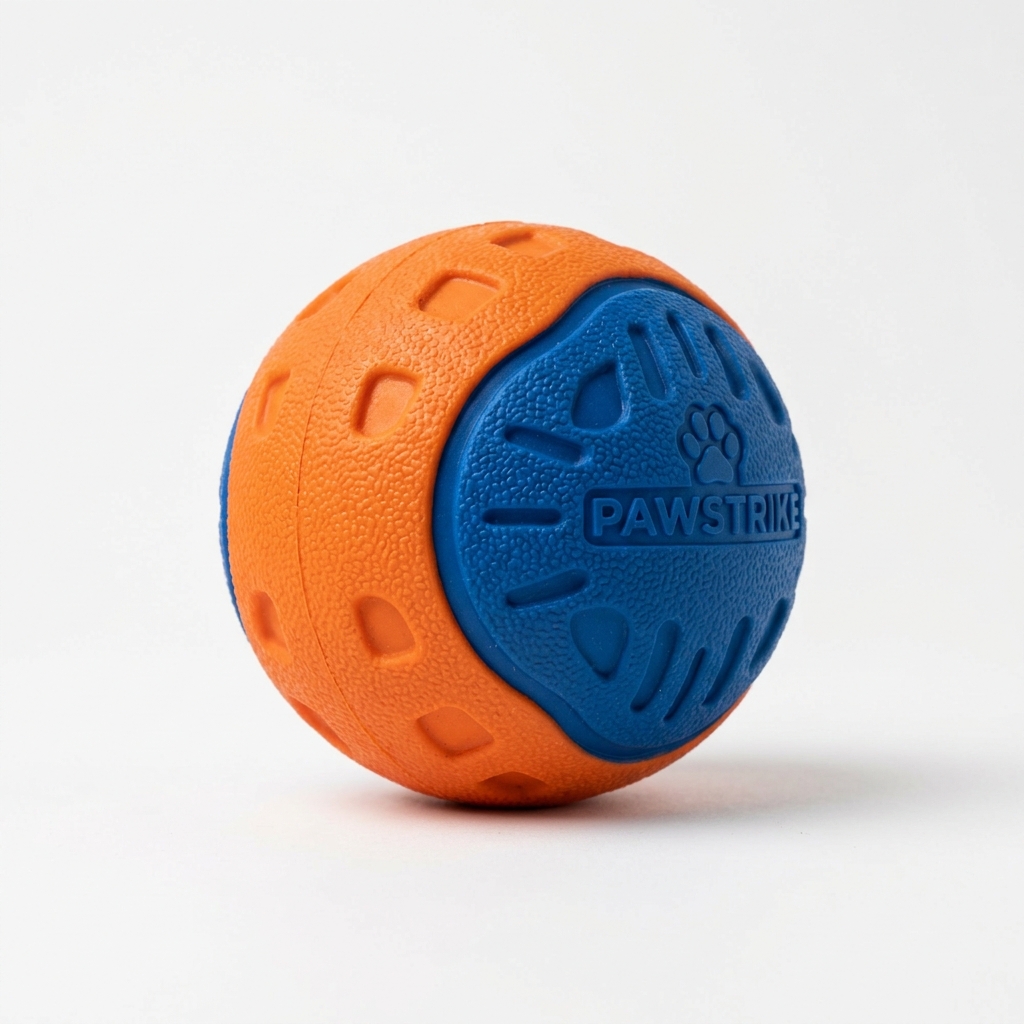
Before treating your sidewalks or taking your dog outside during freezing snaps, check your local Dog Walking Weather Forecast to verify current ambient temperatures, wind chill, and surface hazard alerts.
De-Icer Safety & Chemical Toxicity Matrix
| De-Icer Compound | Effective Temp | Paw Safety Level | Concrete & Lawn Impact |
|---|---|---|---|
| Sodium Chloride (Rock Salt) | 20°F (-7°C) | Severe Danger (Caustic burns, salt poisoning) | High corrosion to concrete; kills grass |
| Calcium Chloride (CaCl₂) | -25°F (-32°C) | Severe Hazard (Exothermic heat up to 140°F) | Severe spalling and aggregate pitting |
| Magnesium Chloride (MgCl₂) | 0°F (-18°C) | Moderate (GI upset if licked; drying) | Moderate concrete scaling |
| Modified Urea (Safe Paw) | -2°F (-19°C) | 100% Pet-Safe (Salt-free, non-toxic) | Completely safe for cured concrete and turf |
| Calcium Magnesium Acetate (CMA) | 15°F (-9°C) | 100% Pet-Safe (Biodegradable, non-irritating) | Zero corrosion (Airport runway standard) |
Why Standard Rock Salt is Lethal to Dog Paws
Every winter across cold-weather hubs from Chicago to Minneapolis and Denver, veterinary emergency clinics see a surge in chemical dermatological burns and acute toxic ingestion cases caused entirely by commercial sidewalk de-icers.
Understanding why standard rock salt harms pets requires examining the chemical reactions occurring beneath their paws:
Exothermic Chemical Reactions (Thermal Burns): When chemical de-icers like calcium chloride contact snow, ice, or the natural moisture on a dog's foot pads, they undergo an intense chemical hydration reaction. This reaction is exothermic, releasing immediate heat that can reach surface temperatures exceeding 140°F (60°C)[^1]. Because a dog's paw pads cannot quickly dissipate this concentrated heat, the skin undergoes painful chemical thermal burns that strip away protective epidermal keratin layers.
Acute Chemical Drying and Fissuring: Even when exothermic burns do not occur, standard sodium chloride acts as a powerful desiccant. It leaches every trace of natural moisture and sebum oil from the interdigital webbing between a dog's toes. The skin turns red, inflamed, and develops deep bleeding fissures. For heavy working breeds like Labrador Retrievers, Cane Corsos, Great Pyrenees, and German Shepherds, the sheer mechanical pressure of walking forces abrasive salt crystals directly into these raw fissures. Meanwhile, low-riding breeds like Dachshunds and sensitive-skinned dogs like Pugs suffer chemical irritation along their entire lower abdomen and chest from kicked-up de-icer slush.
Gastrointestinal Toxicity and Hypernatremia: Dogs groom themselves instinctively. When they step inside after a winter walk, their first reaction to irritated, stinging feet is to lick them clean. Ingesting just a few grams of sidewalk rock salt can trigger severe gastrointestinal irritation, vomiting, and diarrhea. In worse cases, high quantities of ingested sodium chloride lead to acute hypernatremia (salt toxicity), resulting in dehydration, tremors, seizures, and acute kidney failure[^2].
For deeper clinical analysis on salt exposure, review our dedicated guide on Rock Salt Hazards and Dog Paw Protection.
The Top 3 Best Pet-Safe Ice Melts for Driveways
If you need to clear your driveway, front walkway, and patio without placing your dog or your concrete at risk, these three veterinarian-recommended formulations lead the industry in safety, melting speed, and environmental protection:
Top Tested Pet-Safe Ice Melts for Driveways
These salt-free and CMA-based de-icers melt ice down to sub-zero temperatures without harming paw pads, lawns, or cured concrete:
Safe Paw Ice Melt
Best OverallA patented modified urea compound that is 100% salt-free, chlorine-free, and non-corrosive. Effective down to -2°F (-19°C), its green-tinted pellets prevent over-application and will never burn eyes, paws, or new concrete.
Natural Chemistry Natural Paws
Best CMA FormulaFormulated with premium Calcium Magnesium Acetate (CMA). Completely biodegradable and non-toxic, CMA is the exact de-icing compound chosen by airports and hospitals because it causes zero damage to concrete, brick pavers, or pet tissue.
Green Gobbler Pet Safe
Sub-Zero PerformanceEngineered with round magnesium chloride pellets that lack sharp, jagged edges. Infused with corrosion inhibitors, it melts packed snow and black ice down to -10°F (-23°C) without burning paws.
PawsForecast earns from qualifying Amazon purchases. We only recommend de-icers verified by veterinary toxicology standards.
What to Do When Neighbors Use Toxic Rock Salt
While you can control what de-icer you apply to your own driveway, you have zero control over the public sidewalks, street corners, and neighboring driveways your dog encounters on daily walks.
City municipal plows routinely broadcast heavy coats of calcium chloride and coarse rock salt across neighborhood thoroughfares. To keep your dog safe during neighborhood walks, follow these three essential protective protocols:
Equip Your Dog with Winter Snow Booties: The only 100% impenetrable barrier against caustic chemical rock salt is a physical boot. High-quality winter boots with rubberized outsoles keep wet chemical slush completely away from sensitive paw pads. For tested recommendations, explore our guide to the Top 5 Dog Booties for Snow and Ice.
Apply a Barrier Wax (Paw Balm) Before Leaving Home: If your dog refuses to walk in shoes, dense carnauba or beeswax paw balms provide a secondary water-resistant shield. Rubbing balm between paw pads before venturing out prevents salt crystals from lodging in skin crevices and stops painful ice ball accumulation. Read our comprehensive recommendations in The Complete Guide to Paw Balms for Dogs.
The Immediate Post-Walk Paw Wash Protocol: Never let your dog walk into the house and immediately lick their paws after winter walks. Keep a dedicated damp microfiber towel or a warm water paw-wash cup near your entryway. Gently wipe down all four paws, paying special attention to the deep crevices between toe pads, before applying a soothing restorative balm.
For guidance on whether your specific breed requires additional winter gear, check our companion guides on Do Double-Coated Dogs Need Winter Coats? and How Cold is Too Cold to Walk Your Dog.
Frequently Asked Questions
Is magnesium chloride really safe for dog paws?
Magnesium chloride is significantly safer than traditional rock salt (sodium chloride) or calcium chloride because it generates very little exothermic heat and has smoother crystals. However, it is still a salt. If applied in heavy concentrations, it can dry out paw pads and cause mild gastrointestinal irritation or diarrhea if a dog licks substantial amounts off its fur. For sensitive paws, 100% salt-free modified urea or CMA is preferable.
Can pet-safe ice melt damage concrete driveways?
True pet-safe de-icers like Safe Paw (modified urea) and CMA do not chemically attack concrete or cause surface spalling. However, no de-icer can completely stop natural freeze-thaw cycles. When water melts, enters concrete pores, and re-freezes, mechanical expansion can cause minor cracking in concrete that is less than one year old or improperly sealed. Always shovel away melted slush promptly.
How can I tell if chemical ice melt has burned my dog's paws?
Clinical signs of chemical paw burns include sudden limping, holding a paw in the air, frantic licking or biting at the feet, visible redness or raw bleeding skin between the toes, and blistered or blackened paw pads. If your dog exhibits these symptoms, immediately flush their paws with lukewarm running water for at least five minutes and contact your veterinarian.
Related Safety Guides
- Rock Salt Hazards and Dog Paw Protection
- Top 5 Dog Booties for Snow and Ice: 2026 Winter Guide
- The Complete Guide to Paw Balms for Dogs
- Do Double-Coated Dogs Need Winter Coats?
- How Cold is Too Cold to Walk Your Dog?
- Frostbite in Dogs: Prevention and Emergency Treatment
Sources & References
[^1]: American Veterinary Medical Association (AVMA). Cold weather pet safety tips & chemical burn hazards. AVMA Animal Health Resources.
[^2]: ASPCA Animal Poison Control Center (APCC). Ice Melt and De-Icer Toxicity in Dogs. Toxicology Briefs, Veterinary Medicine.
[^3]: Federal Highway Administration (FHWA). Comparative Evaluation of Calcium Magnesium Acetate (CMA) and Rock Salt. U.S. Department of Transportation, Publication No. FHWA-RD-87-068.
[^4]: Peterson, M. E., & Talcott, P. A. (2013). Small Animal Toxicology (3rd ed.). Elsevier Health Sciences. Chapter on Sodium and Halogen Salt Toxicity in Canines.
Protect Your Dog's Paws Today
Always check the PawsForecast dashboard before heading out to get a real-time estimate of the pavement temperature in your exact location!
Check Live Pavement Temp