When is it Safe to Walk a English Cocker Spaniel? Safe Temperature Range & Walking Tolerance Chart

Quick Answer: English Cocker Spaniel Safe Temperature Limits
Optimal safe walking range for the English Cocker Spaniel (Sporting group, medium medium): 45°F to 69°F (7°C to 21°C), with acute thermal danger below 20°F (-7°C) or above 85°F (29°C).
Safe Walking Temperature Chart for English Cocker Spaniels
| Safety Level | Air Temperature | Action |
|---|---|---|
| 🔴 Danger Zone (Cold) | Under 20°F (-7°C) | Severe frostbite risk for English Cocker Spaniels. Avoid outdoor walks. |
| 🟡 Caution Zone (Cold) | 20°F - 44°F (-7°C - 7°C) | Limit English Cocker Spaniel outing duration; use winter gear. |
| 🟢 Safe Zone | 45°F - 69°F (7°C - 21°C) | Ideal weather window for normal English Cocker Spaniel exercise. |
| 🟡 Caution Zone (Heat) | 70°F - 84°F (21°C - 29°C) | Watch English Cocker Spaniel panting; test asphalt 7 seconds. |
| 🔴 Danger Zone (Heat) | 85°F+ (29°C+) | Acute English Cocker Spaniel heatstroke & pad burn danger indoors only. |
Veterinary Climate & Thermoregulation Profile
Distinct from its American counterpart, the English Cocker Spaniel is a compact, solidly built sporting gun dog bred to flush and retrieve woodcock from dense British hedgerows and wet marshes. Endowed with a silky, flat coat with moderate feathering and long, low-set ears, English Cockers have robust stamina in cool, damp weather down to 25°F (-4°C). However, their low ground clearance, profuse feathering, and pendulous ears demand diligent care in winter snow and summer humidity.
Key Anatomical & Environmental Vulnerabilities
- Snowball clumping and interdigital lacerations: Soft feathering on feet and legs accumulates wet snow, forming hard ice balls that stretch skin and tear sensitive paw pad webbing.
- Bacterial and yeast otitis from damp ear leather: Low-hanging ear flaps trap moisture from wet vegetation and rain, creating an ideal incubator for chronic ear infections.
- Chilling in near-freezing damp conditions: Walking in cold rain or slush between 32°F and 40°F (0°C–4°C) soaks the coat, stripping away natural body warmth.
In winter, apply paw wax and keep foot hair trimmed flush with pads; dry inner ear flaps thoroughly with a clean towel after every wet walk. In summer, walk in shaded areas below 78°F (26°C), and ensure regular grooming to prevent matted undercoat from trapping body heat.
Keeping Your English Cocker Spaniel Warm Indoors?
Compare certified heated orthopedic dog beds vs. self-warming thermal pads for joint & arthritis relief.
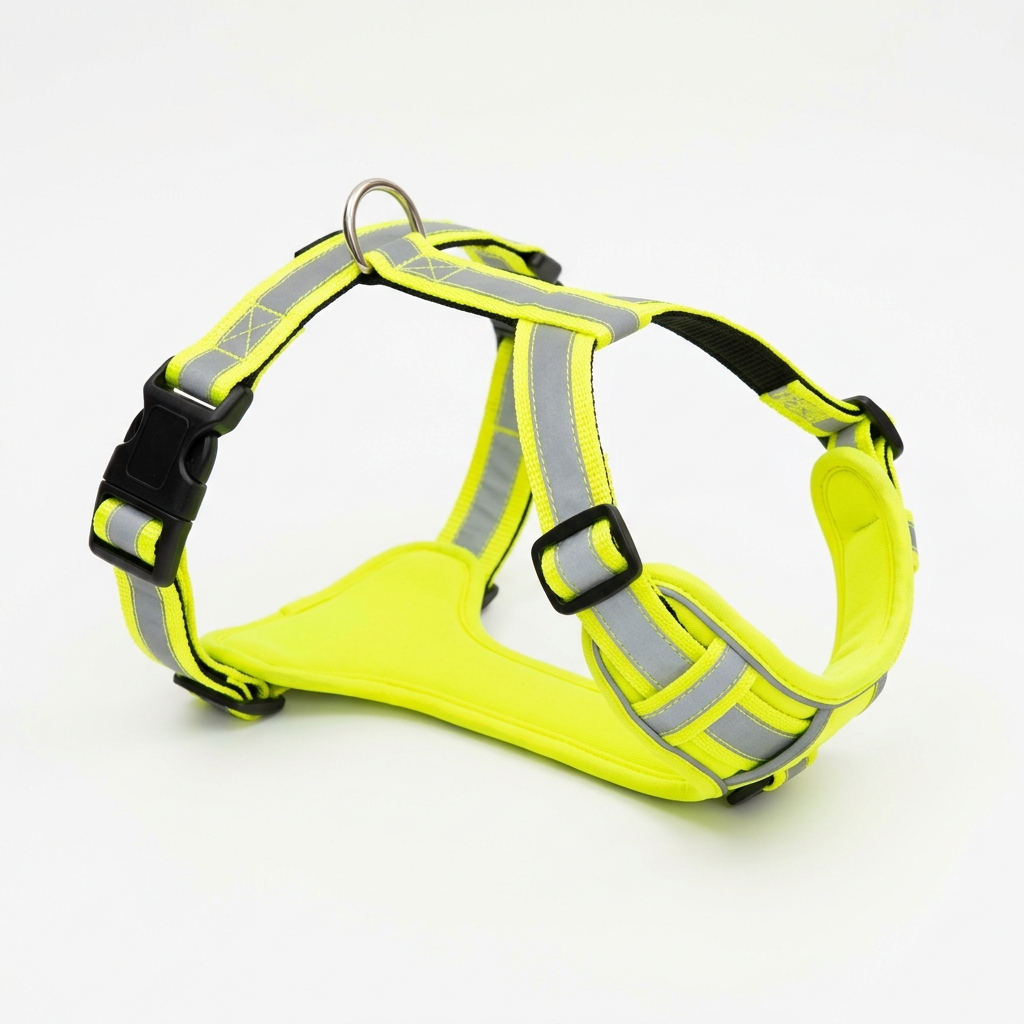
Everyday Walking Essentials for English Cocker Spaniels
Sponsored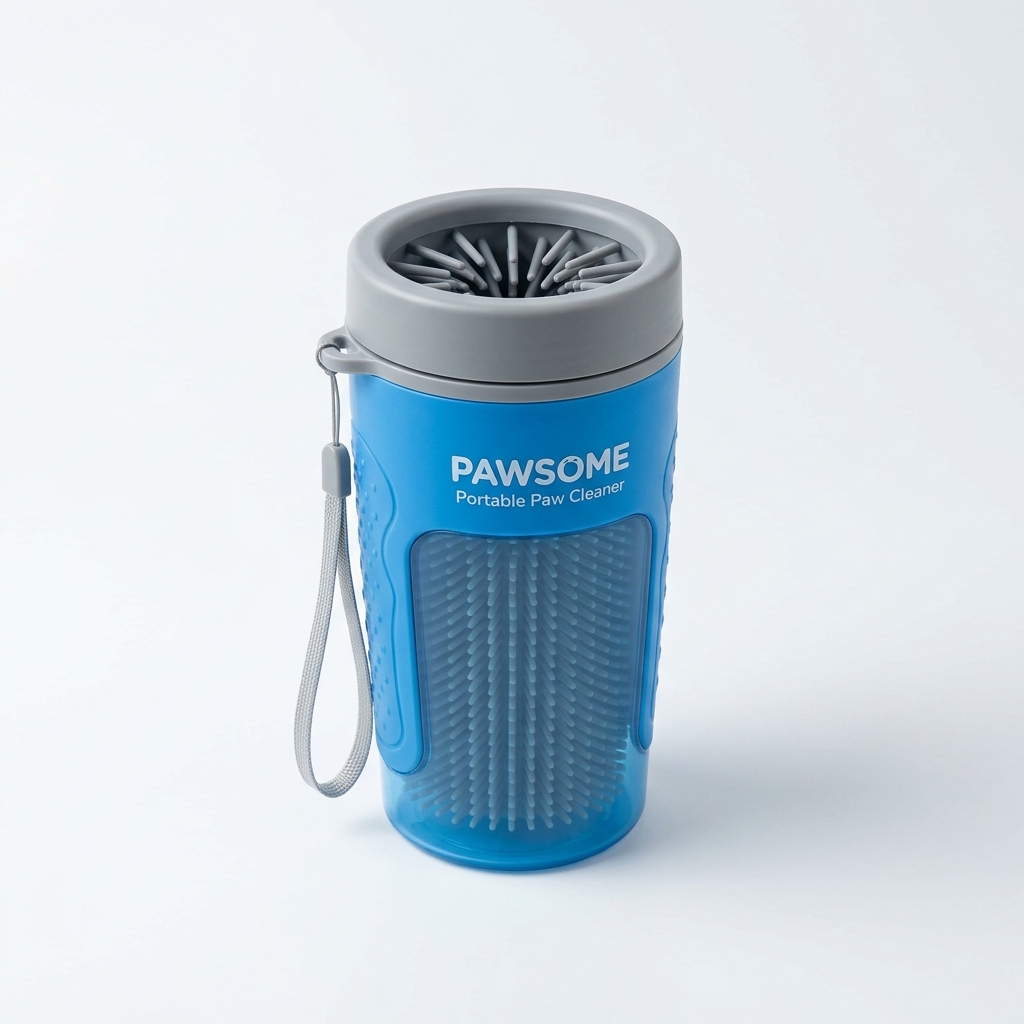
Frequently Asked Questions: Walking a English Cocker Spaniel
Q: What temperature is too cold for an English Cocker Spaniel?
Healthy adult English Cockers tolerate dry cold down to 25°F (-4°C) during active walking. In freezing rain or slush, temperatures below 35°F (2°C) require an insulated waterproof coat.
Q: How do you protect an English Cocker Spaniel's ears from winter slush?
Use a soft elastic dog snood to hold their long ears safely up against their head during winter walks, keeping them out of road salt, muddy slush, and freezing snowbanks.
Q: How does summer heat affect an English Cocker Spaniel?
Their dense coat and energetic temperament can cause them to overheat on warm days over 78°F (26°C). Schedule walks for early morning and always provide cool fresh water.
English Cocker Spaniel Health & Safety
As a highly cherished breed, the English Cocker Spaniel is famously merry, affectionate, intelligent, energetic, playful, gentle, eager to please. It is crucial for English Cocker Spaniel owners to always check the pavement temperature before heading outside for their daily walk.