When is it Safe to Walk a Xoloitzcuintli? Safe Temperature Range & Walking Tolerance Chart

Quick Answer: Xoloitzcuintli Safe Temperature Limits
Optimal safe walking range for the Xoloitzcuintli (Non-Sporting group, hairless hairless): 50°F to 69°F (10°C to 21°C), with acute thermal danger below 32°F (0°C) or above 85°F (29°C).
Safe Walking Temperature Chart for Xoloitzcuintlis
| Safety Level | Air Temperature | Action |
|---|---|---|
| 🔴 Danger Zone (Cold) | Under 32°F (0°C) | Severe frostbite risk for Xoloitzcuintlis. Avoid outdoor walks. |
| 🟡 Caution Zone (Cold) | 32°F - 49°F (0°C - 9°C) | Limit Xoloitzcuintli outing duration; use winter gear. |
| 🟢 Safe Zone | 50°F - 69°F (10°C - 21°C) | Ideal weather window for normal Xoloitzcuintli exercise. |
| 🟡 Caution Zone (Heat) | 70°F - 84°F (21°C - 29°C) | Watch Xoloitzcuintli panting; test asphalt 7 seconds. |
| 🔴 Danger Zone (Heat) | 85°F+ (29°C+) | Acute Xoloitzcuintli heatstroke & pad burn danger indoors only. |
Veterinary Climate & Thermoregulation Profile
The ancient sacred dog of the Aztecs, the Xoloitzcuintli ('Xolo', or Mexican Hairless Dog) is one of the world's oldest natural breeds, available in Toy, Miniature, and Standard sizes. Most famous in its hairless variety, the Xolo possesses smooth, tough, warm skin completely exposed to the environment, with zero fur insulation. While exceptionally well-adapted to warm, tropical climates, the Xolo is the most environmentally sensitive breed on earth in cold weather, requiring human-grade clothing in winter and broad-spectrum sunscreen in summer.
Key Anatomical & Environmental Vulnerabilities
- Extreme susceptibility to hypothermia and frostbite: Having no fur whatsoever, ambient temperatures below 50°F (10°C) immediately drop skin and core temperature, causing shivering and hypothermia.
- Solar radiation burns and skin cancer risk: Bare skin exposed to direct ultraviolet sunlight will suffer painful sunburns and solar dermatitis in under 20 minutes without pet-safe sunscreen.
- Dry winter air skin cracking and cold burns: Cold dry air and freezing winds strip natural skin moisture, causing painful fissures, cracking, and contact burns from frozen pavement.
In winter, Xolos require thermal fleece base layers, insulated windproof winter coats, and booties below 50°F (10°C); limit sub-freezing outings to 5-minute quick potty trips. In summer, apply pet-safe broad-spectrum sunscreen before sunny walks, walk in full shade, and moisturize skin post-walk.
Walking Your Xoloitzcuintli in Freezing Temps?
Thin-coated breeds lose body heat fast. Compare top-tested winter dog booties & cold-weather jackets.
Winter Protection Gear for Xoloitzcuintlis
Sponsored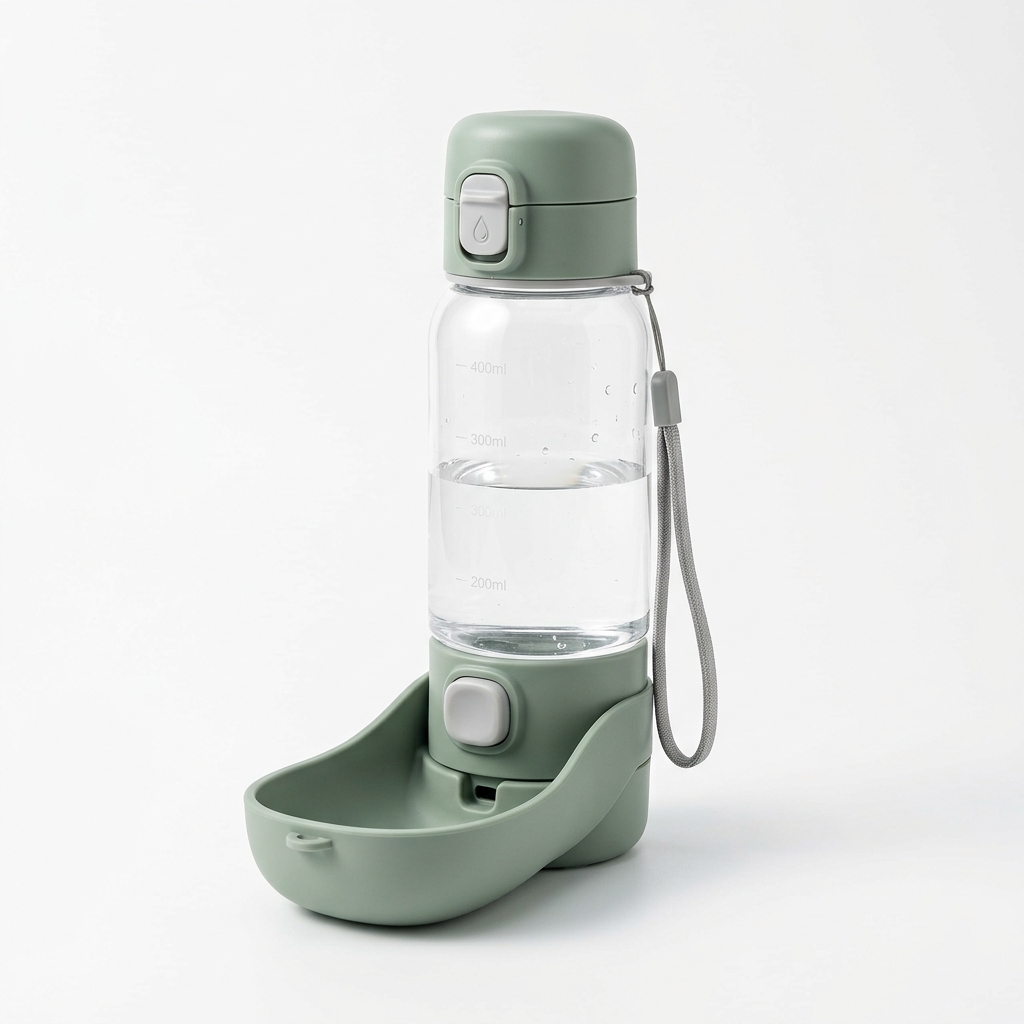

Frequently Asked Questions: Walking a Xoloitzcuintli
Q: What temperature is too cold for a Hairless Xoloitzcuintli?
Temperatures below 50°F (10°C) are too cold for a hairless Xolo without warm clothing. Below 40°F (4°C), they must wear full-coverage thermal fleece, a waterproof outer jacket, and protective boots.
Q: Do hairless Xolos need sunscreen on summer walks?
Yes! Because they have no fur to shield their skin from ultraviolet radiation, hairless Xolos can get severe sunburns. Always apply a pet-safe, zinc-free, broad-spectrum sunscreen before walking in direct sun.
Q: How do you care for a Xoloitzcuintli's skin in the winter?
Cold air and indoor heating dry out bare Xolo skin quickly. After winter walks, wipe skin with warm water to remove road salt and apply a gentle, all-natural dog moisturizer like coconut oil or shea butter.
Xoloitzcuintli Health & Safety
As a highly cherished breed, the Xoloitzcuintli is famously calm, loyal, alert, intelligent, affectionate, protective. It is crucial for Xoloitzcuintli owners to always check the pavement temperature before heading outside for their daily walk.