When is it Safe to Walk a Greater Swiss Mountain Dog? Safe Temperature Range & Walking Tolerance Chart

Quick Answer: Greater Swiss Mountain Dog Safe Temperature Limits
Optimal safe walking range for the Greater Swiss Mountain Dog (Working group, short double): 32°F to 69°F (0°C to 21°C), with acute thermal danger below 10°F (-12°C) or above 75°F (24°C).
Safe Walking Temperature Chart for Greater Swiss Mountain Dogs
| Safety Level | Air Temperature | Action |
|---|---|---|
| 🔴 Danger Zone (Cold) | Under 10°F (-12°C) | Severe frostbite risk for Greater Swiss Mountain Dogs. Avoid outdoor walks. |
| 🟡 Caution Zone (Cold) | 10°F - 31°F (-12°C - -1°C) | Limit Greater Swiss Mountain Dog outing duration; use winter gear. |
| 🟢 Safe Zone | 32°F - 69°F (0°C - 21°C) | Ideal weather window for normal Greater Swiss Mountain Dog exercise. |
| 🟡 Caution Zone (Heat) | 70°F - 74°F (21°C - 23°C) | Watch Greater Swiss Mountain Dog panting; test asphalt 7 seconds. |
| 🔴 Danger Zone (Heat) | 75°F+ (24°C+) | Acute Greater Swiss Mountain Dog heatstroke & pad burn danger indoors only. |
Veterinary Climate & Thermoregulation Profile
Known as the 'Swissy,' the Greater Swiss Mountain Dog is a giant draft and herding breed developed in the Swiss Alps, weighing up to 140 lbs. Armed with a heavy bone structure, powerful muscle mass, and a dense, short double coat with a thick reddish or grey undercoat, the Swissy thrives in sub-freezing alpine conditions down to 10°F (-12°C). However, their massive bulk and dark tri-color coat make them acutely vulnerable to life-threatening heatstroke and gastric dilatation-volvulus (bloat) in warm weather.
Key Anatomical & Environmental Vulnerabilities
- Severe heatstroke risk in mild temperatures: Due to immense body mass and dense coat, strenuous exercise in temperatures over 72°F (22°C) can cause rapid, life-threatening hyperthermia.
- High bloat (GDV) risk from panting and gulping water: Heavy panting during warm walks combined with sudden water gulping significantly increases the risk of fatal gastric torsion.
- Impact joint stress on frozen ground: Carrying up to 140 lbs on rigid, frozen rutted trails stresses heavy joints and paw pad tissue during sub-freezing winter walks.
In winter, Swissies thrive down to 10°F (-12°C) and love snow hiking; inspect paws for packed ice pellets. In summer, restrict all walks to early mornings below 70°F (21°C), never walk within two hours of feeding, and allow frequent shaded cooldown periods.
Keeping Your Greater Swiss Mountain Dog Warm Indoors?
Compare certified heated orthopedic dog beds vs. self-warming thermal pads for joint & arthritis relief.
Everyday Walking Essentials for Greater Swiss Mountain Dogs
Sponsored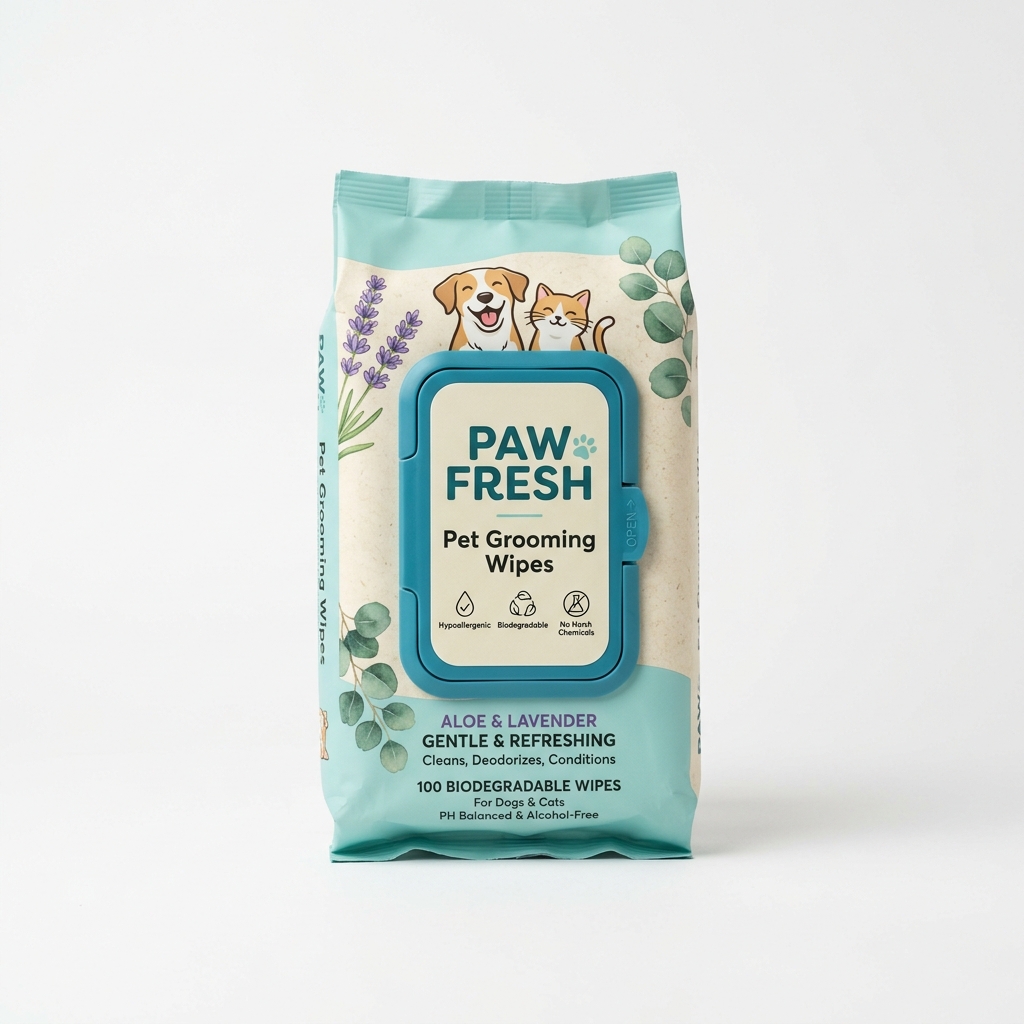
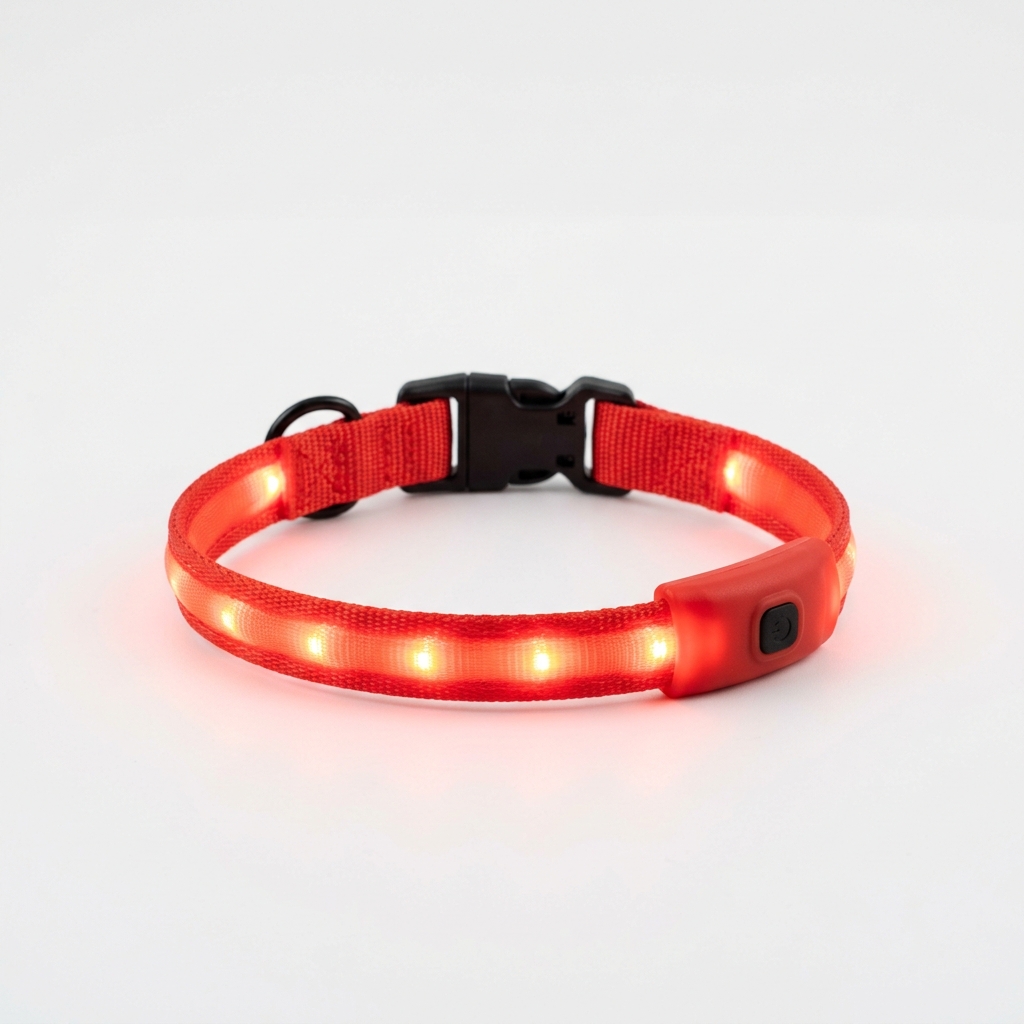
Frequently Asked Questions: Walking a Greater Swiss Mountain Dog
Q: How cold is too cold for a Greater Swiss Mountain Dog?
Healthy adult Swissies are comfortable down to 10°F (-12°C) during active movement in dry snow. Below 0°F (-18°C), limit outdoor exposure to 20-30 minutes and inspect paw pads.
Q: Why is warm weather so dangerous for Greater Swiss Mountain Dogs?
Their massive 100-140 lb muscular bulk and dense double coat make cooling through panting very inefficient. Temperatures over 72°F (22°C) can quickly cause dangerous heat exhaustion.
Q: Can Greater Swiss Mountain Dogs walk in summer heat?
Only during the cool dawn hours before temperatures exceed 70°F (21°C). In warmer conditions, keep outings short, avoid any running, and provide access to cold tile or cooling pads indoors.
Greater Swiss Mountain Dog Health & Safety
The Greater Swiss Mountain Dog requires careful monitoring during extreme weather. Known for being gentle, loyal, confident, alert, friendly, owners must adjust walk times to protect their paw pads and prevent heat exhaustion.