When is it Safe to Walk a Shiba Inu? Safe Temperature Range & Walking Tolerance Chart

Quick Answer: Shiba Inu Safe Temperature Limits
Optimal safe walking range for the Shiba Inu (Non-Sporting group, short double): 32°F to 69°F (0°C to 21°C), with acute thermal danger below 10°F (-12°C) or above 75°F (24°C).
Safe Walking Temperature Chart for Shiba Inus
| Safety Level | Air Temperature | Action |
|---|---|---|
| 🔴 Danger Zone (Cold) | Under 10°F (-12°C) | Severe frostbite risk for Shiba Inus. Avoid outdoor walks. |
| 🟡 Caution Zone (Cold) | 10°F - 31°F (-12°C - -1°C) | Limit Shiba Inu outing duration; use winter gear. |
| 🟢 Safe Zone | 32°F - 69°F (0°C - 21°C) | Ideal weather window for normal Shiba Inu exercise. |
| 🟡 Caution Zone (Heat) | 70°F - 74°F (21°C - 23°C) | Watch Shiba Inu panting; test asphalt 7 seconds. |
| 🔴 Danger Zone (Heat) | 75°F+ (24°C+) | Acute Shiba Inu heatstroke & pad burn danger indoors only. |
Veterinary Climate & Thermoregulation Profile
An ancient, independent Japanese spitz breed originally developed to hunt small game and wild boar in the rugged mountains of Japan, the Shiba Inu features a compact, muscular build and a dense, plush double coat consisting of a stiff, straight outer coat and a thick, soft undercoat. Shibas comfortably handle cold weather down to 15°F (-9°C). However, their thick coat retains heat in summer, and their characteristic fastidious personality makes them famously averse to cold rain, wet puddles, and restrictive dog gear.
Key Anatomical & Environmental Vulnerabilities
- Heat stress from dense plush undercoat: Their thick double coat retains metabolic heat, meaning vigorous walks in temperatures over 78°F (26°C) can cause rapid overheating.
- Gear aversion and walking refusal in wet cold: Shibas are notoriously fastidious and frequently stage 'Shiba strikes' (refusing to walk) if forced into wet rain, cold slush, or tight-fitting booties.
- Seasonal coat blow thermal fluctuations: When 'blowing' their thick undercoat twice a year, temporary patchy coat density can create irregular thermal insulation.
In winter, Shibas thrive down to 15°F (-9°C); use natural paw wax rather than restrictive boots for finicky walkers, and dry paws post-walk. In summer, walk in early mornings below 78°F (26°C), brush thoroughly during coat blows, and never shave their double coat.
Keeping Your Shiba Inu Warm Indoors?
Compare certified heated orthopedic dog beds vs. self-warming thermal pads for joint & arthritis relief.
Everyday Walking Essentials for Shiba Inus
Sponsored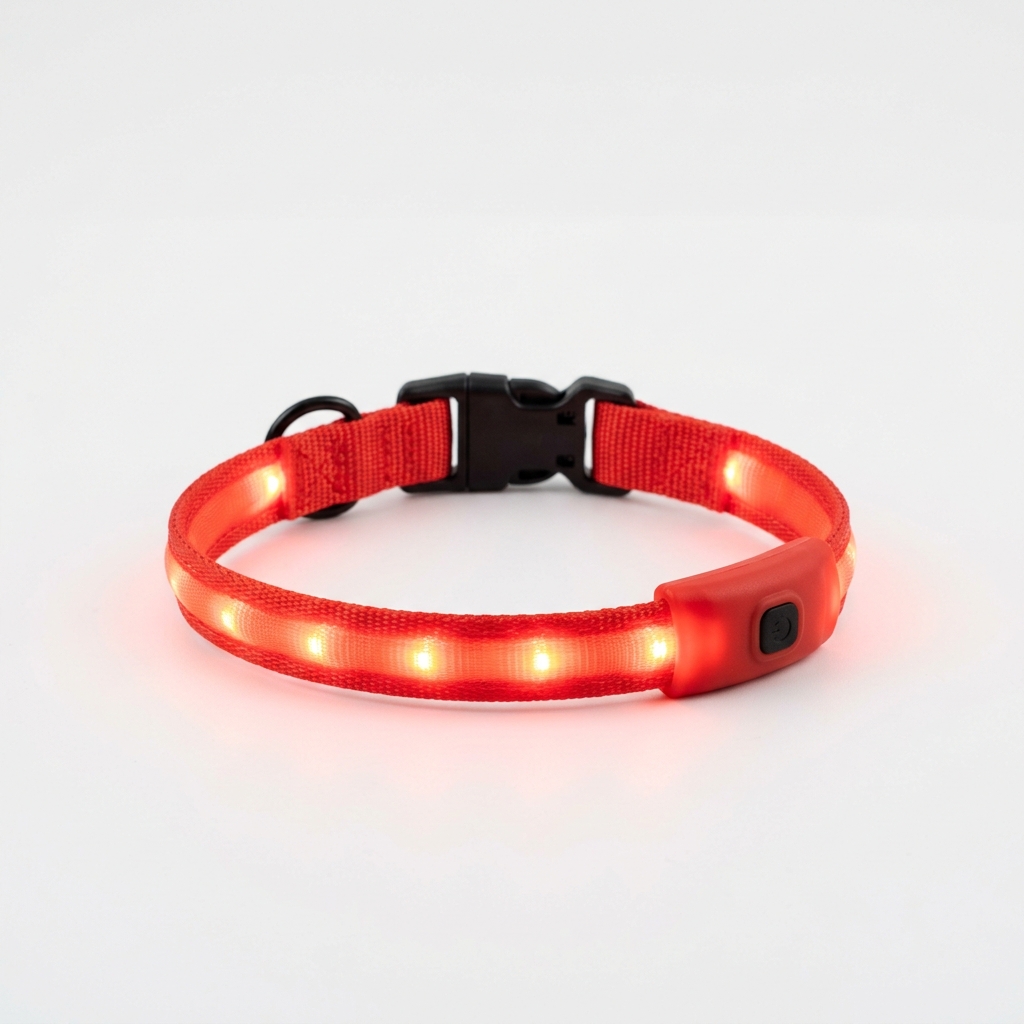
Frequently Asked Questions: Walking a Shiba Inu
Q: Can Shiba Inus walk in freezing snow and cold weather?
Yes. Bred in the rugged mountains of Japan, Shiba Inus have a dense double coat that protects them down to 15°F (-9°C). Most Shibas love playing and running in fresh snow.
Q: Why does my Shiba Inu refuse to walk in cold rain?
Shiba Inus are famously cat-like and fastidious about cleanliness. Many despise getting their paws wet or feeling cold droplets on their fur, leading to the well-known 'Shiba strike' (freezing in place).
Q: What temperature is too hot to walk a Shiba Inu?
Temperatures exceeding 78°F (26°C) require caution, especially in direct sunlight or high humidity. Restrict walks to shaded morning hours and carry water.
Shiba Inu Health & Safety
As a highly cherished breed, the Shiba Inu is famously alert, confident, intelligent, independent, loyal, courageous. It is crucial for Shiba Inu owners to always check the pavement temperature before heading outside for their daily walk.