When is it Safe to Walk a Borzoi? Safe Temperature Range & Walking Tolerance Chart

Quick Answer: Borzoi Safe Temperature Limits
Optimal safe walking range for the Borzoi (Hound group, long long): 32°F to 69°F (0°C to 21°C), with acute thermal danger below 10°F (-12°C) or above 75°F (24°C).
Safe Walking Temperature Chart for Borzois
| Safety Level | Air Temperature | Action |
|---|---|---|
| 🔴 Danger Zone (Cold) | Under 10°F (-12°C) | Severe frostbite risk for Borzois. Avoid outdoor walks. |
| 🟡 Caution Zone (Cold) | 10°F - 31°F (-12°C - -1°C) | Limit Borzoi outing duration; use winter gear. |
| 🟢 Safe Zone | 32°F - 69°F (0°C - 21°C) | Ideal weather window for normal Borzoi exercise. |
| 🟡 Caution Zone (Heat) | 70°F - 74°F (21°C - 23°C) | Watch Borzoi panting; test asphalt 7 seconds. |
| 🔴 Danger Zone (Heat) | 75°F+ (24°C+) | Acute Borzoi heatstroke & pad burn danger indoors only. |
Veterinary Climate & Thermoregulation Profile
Formerly known as the Russian Wolfhound, the Borzoi is a majestic sighthound developed by the Russian aristocracy to hunt wolves across frozen steppe plains. Characterized by a narrow, dolichocephalic skull, deep chest, lean musculature, and a silky, flat or wavy single-to-light-double coat, the Borzoi possesses remarkable sprint speed. While their Russian heritage equips them for dry, sub-freezing cold during active running, their extremely low body fat and silky coat provide poor insulation against wet, freezing slush.
Key Anatomical & Environmental Vulnerabilities
- Low body fat conductive chilling: With virtually no subcutaneous fat, stationary exposure to freezing rain or wind chill below 30°F (-1°C) rapidly induces shivering and hypothermia.
- Silky coat saturation and ice balling: Their elegant silky fringing lacks the grease and density of true Arctic double coats, absorbing moisture that freezes into heavy weights along their legs and belly.
- Sprint-induced exertional hyperthermia: High-intensity galloping bursts in direct sunlight over 75°F (24°C) can cause rectal temperatures to spike dangerously before owners notice.
In winter, Borzois enjoy brisk running down to 20°F (-7°C) in dry snow; equip them with a windproof sighthound-specific coat for leashed walks below 32°F (0°C). In summer, restrict open-field running to dawn before ground temperatures rise, and avoid exercise once ambient temperatures exceed 75°F (24°C).
Walking Your Borzoi in Freezing Temps?
Thin-coated breeds lose body heat fast. Compare top-tested winter dog booties & cold-weather jackets.
Everyday Walking Essentials for Borzois
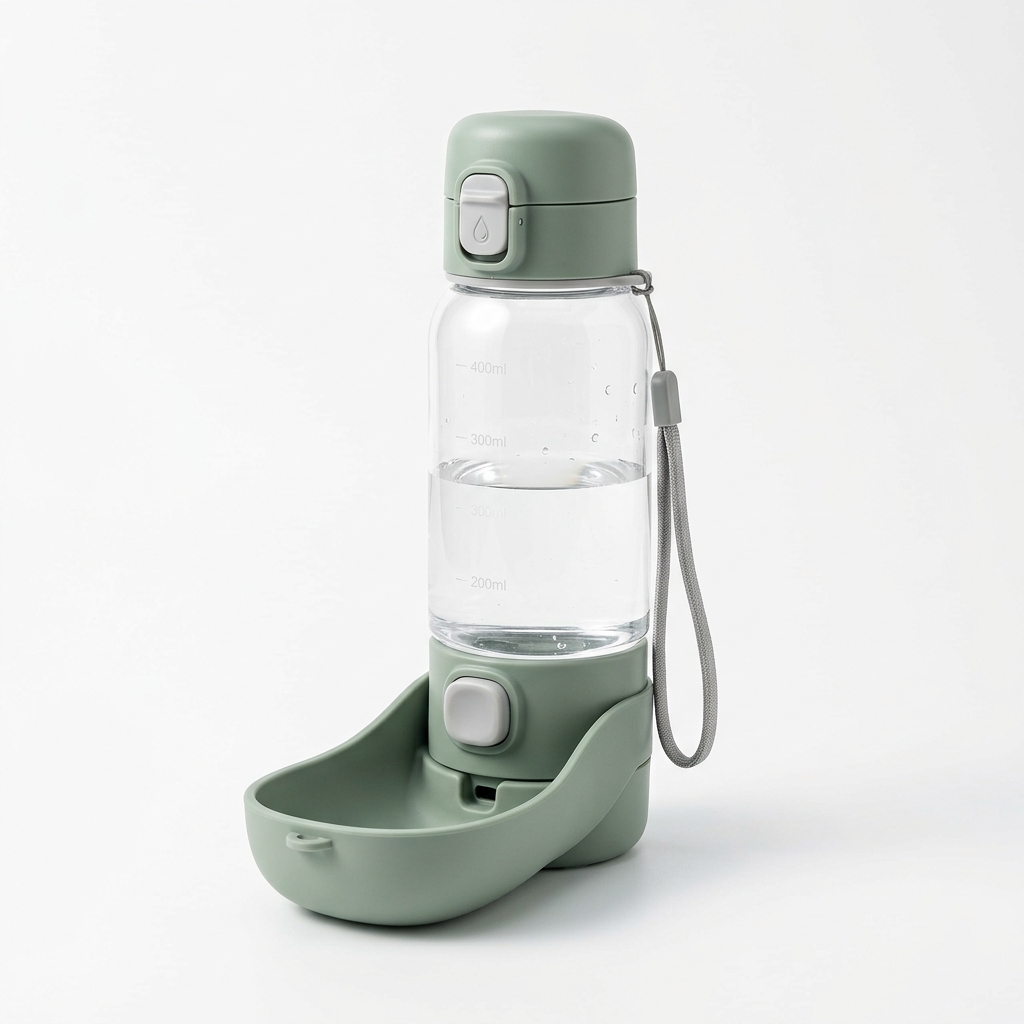
Sponsored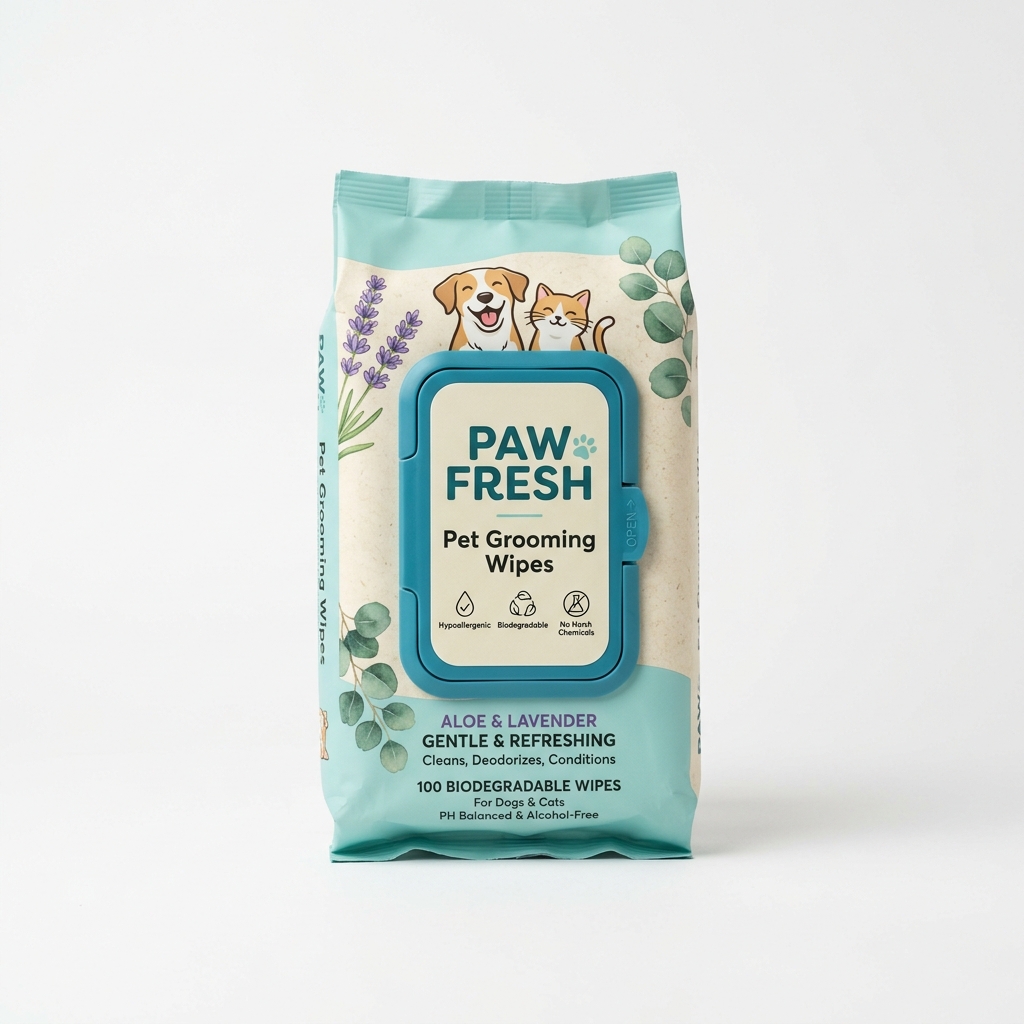
Frequently Asked Questions: Walking a Borzoi
Q: Do Borzois need a winter coat in cold climates?
Yes. Despite their Russian heritage, Borzois have very low body fat and a silky coat that easily chills when walking slowly on leash. A windproof, sighthound-cut coat is recommended below 32°F (0°C).
Q: Can Borzois handle hot summer temperatures?
Borzois have modest heat tolerance and should not engage in sprinting or heavy exercise above 75°F (24°C). Their deep chests and large surface area make cooling after exertion challenging.
Q: How do you protect a Borzoi's paws from winter road salt?
Apply all-natural paw protection wax or use lightweight dog booties designed for slender sighthound paws before walking on chemically treated sidewalks.
Borzoi Health & Safety
The Borzoi requires careful monitoring during extreme weather. Known for being gentle, independent, calm, intelligent, affectionate, owners must adjust walk times to protect their paw pads and prevent heat exhaustion.