When is it Safe to Walk a Afghan Hound? Safe Temperature Range & Walking Tolerance Chart

Quick Answer: Afghan Hound Safe Temperature Limits
Optimal safe walking range for the Afghan Hound (Hound group, long long): 32°F to 69°F (0°C to 21°C), with acute thermal danger below 10°F (-12°C) or above 75°F (24°C).
Safe Walking Temperature Chart for Afghan Hounds
| Safety Level | Air Temperature | Action |
|---|---|---|
| 🔴 Danger Zone (Cold) | Under 10°F (-12°C) | Severe frostbite risk for Afghan Hounds. Avoid outdoor walks. |
| 🟡 Caution Zone (Cold) | 10°F - 31°F (-12°C - -1°C) | Limit Afghan Hound outing duration; use winter gear. |
| 🟢 Safe Zone | 32°F - 69°F (0°C - 21°C) | Ideal weather window for normal Afghan Hound exercise. |
| 🟡 Caution Zone (Heat) | 70°F - 74°F (21°C - 23°C) | Watch Afghan Hound panting; test asphalt 7 seconds. |
| 🔴 Danger Zone (Heat) | 75°F+ (24°C+) | Acute Afghan Hound heatstroke & pad burn danger indoors only. |
Veterinary Climate & Thermoregulation Profile
An ancient sighthound bred for high-altitude hunting in the harsh mountains of Afghanistan, the Afghan Hound features an aristocratic silhouette, dolichocephalic skull, low body fat, and a long, fine, silky single coat. While their coat provides protection from desert sun and light mountain winds, it lacks an insulating down undercoat. Combined with their lean body mass and minimal adipose tissue, Afghan Hounds lose core body heat rapidly in cold, damp conditions and are prone to exertional hyperthermia during high-speed sprints in direct sunlight.
Key Anatomical & Environmental Vulnerabilities
- Rapid heat loss in wet wind chill: Silky single coat collapses when wet, offering virtually zero thermal insulation against freezing rain or slush below 40°F (4°C).
- Severe snow clumping in long leg feathering: Deep, silky furnishings collect slush and freeze into heavy ice balls that pull on skin and lacerate interdigital webbing.
- Sighthound sprint hyperthermia: Their intense chasing instinct overrides physiological fatigue, risking acute heat exhaustion during open-field running in temperatures over 75°F (24°C).
In winter, Afghan Hounds require an insulated, water-resistant coat below 40°F (4°C); apply protective paw wax to feathering before snow walks and dry thoroughly post-outing. In summer, restrict vigorous exercise to dawn or dusk, keeping walks calm once temperatures exceed 75°F (24°C).
Walking Your Afghan Hound in Freezing Temps?
Thin-coated breeds lose body heat fast. Compare top-tested winter dog booties & cold-weather jackets.
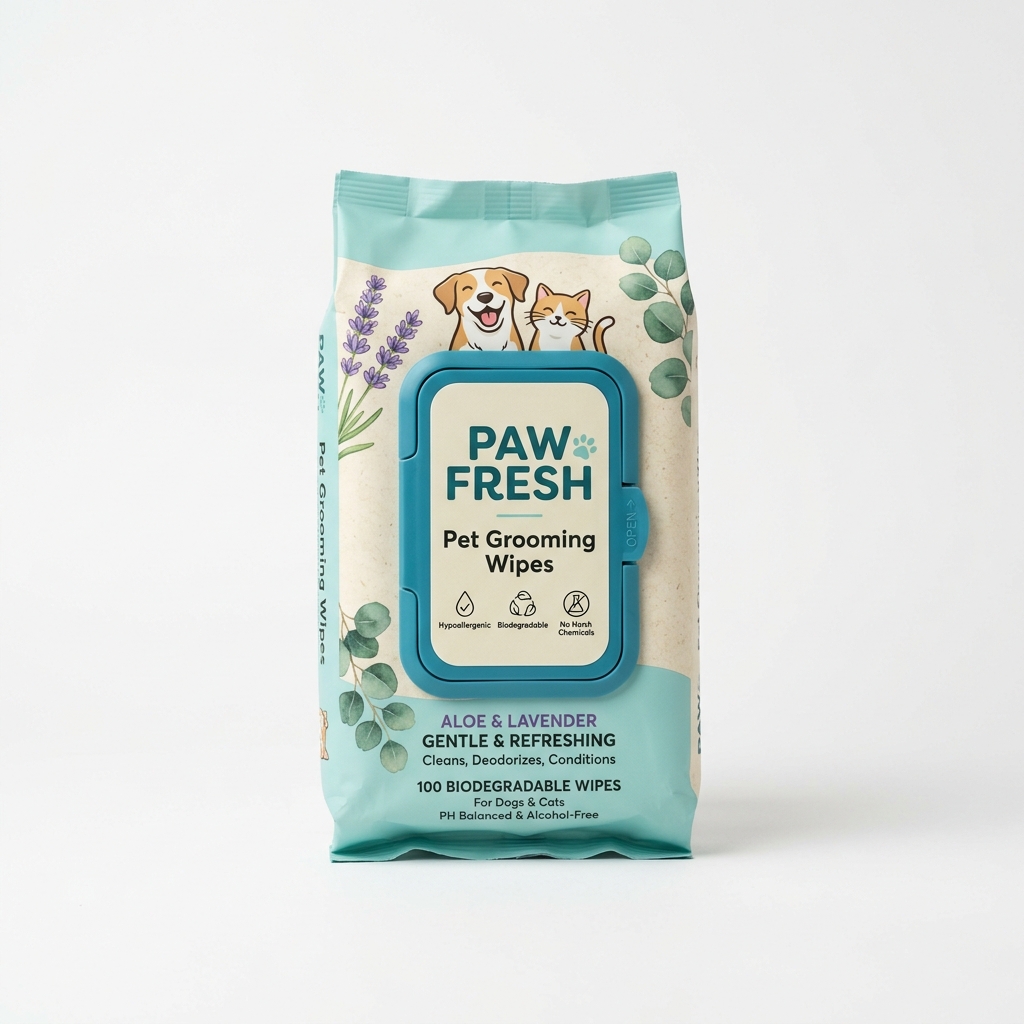
Everyday Walking Essentials for Afghan Hounds
Sponsored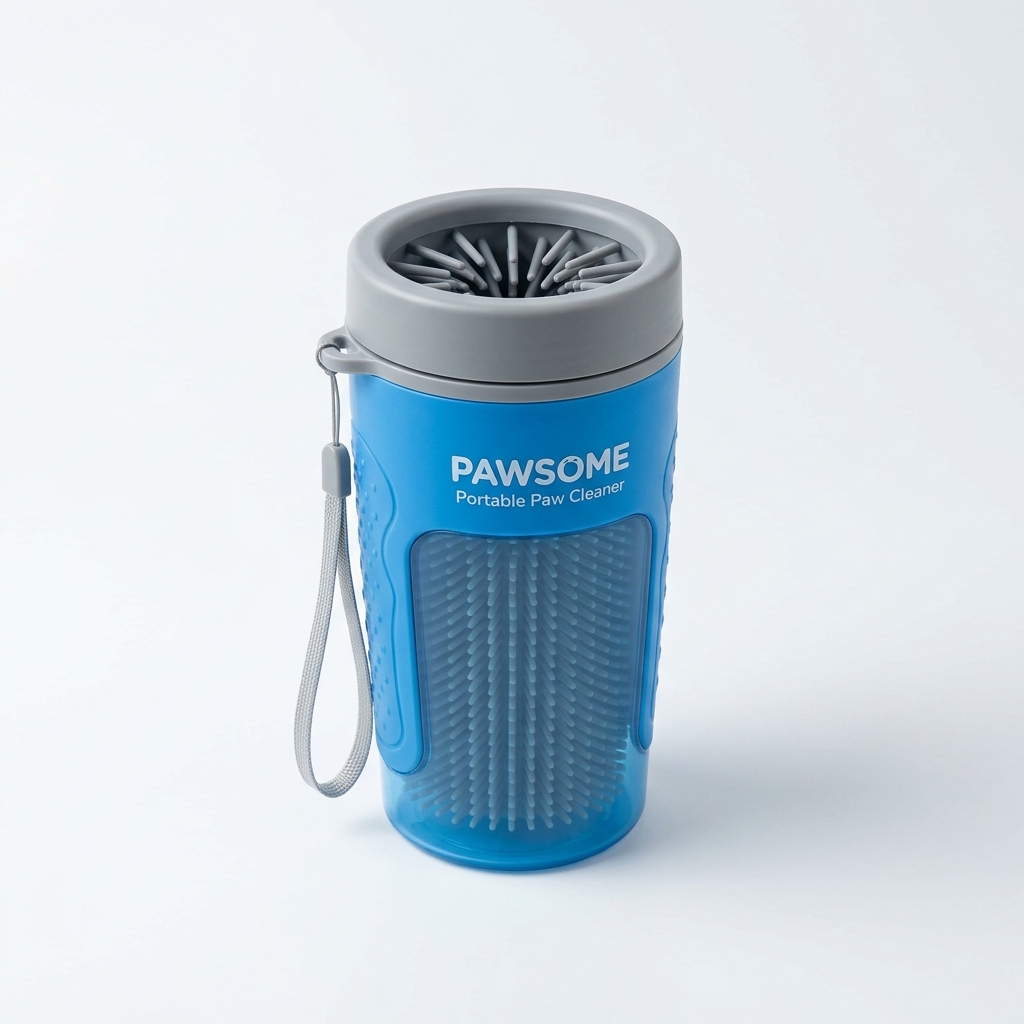
Frequently Asked Questions: Walking a Afghan Hound
Q: Does an Afghan Hound's long coat keep them warm in freezing winter weather?
No. The Afghan Hound's coat is a fine, silky single coat without a dense insulating undercoat. Combined with their lean body fat, they lose body heat quickly and need an insulated winter jacket in sub-freezing temperatures.
Q: How do I prevent snow and ice from matting an Afghan Hound's leg feathering?
Apply a thin layer of natural paw wax (like Musher's Secret) to the lower leg hair and between toes before walking in fresh snow, and use a handheld warm blower or whisk to gently melt snowballs upon returning inside.
Q: Can Afghan Hounds exercise safely in hot summer weather?
Only during the cool morning or late evening hours. While their coat reflects some radiant sunlight, high-speed sprinting in temperatures over 75°F (24°C) causes rapid spike in internal body temperature.
Afghan Hound Health & Safety
As a highly cherished breed, the Afghan Hound is famously independent, dignified, aloof, loyal, confident. It is crucial for Afghan Hound owners to always check the pavement temperature before heading outside for their daily walk.