When is it Safe to Walk a Bloodhound? Safe Temperature Range & Walking Tolerance Chart
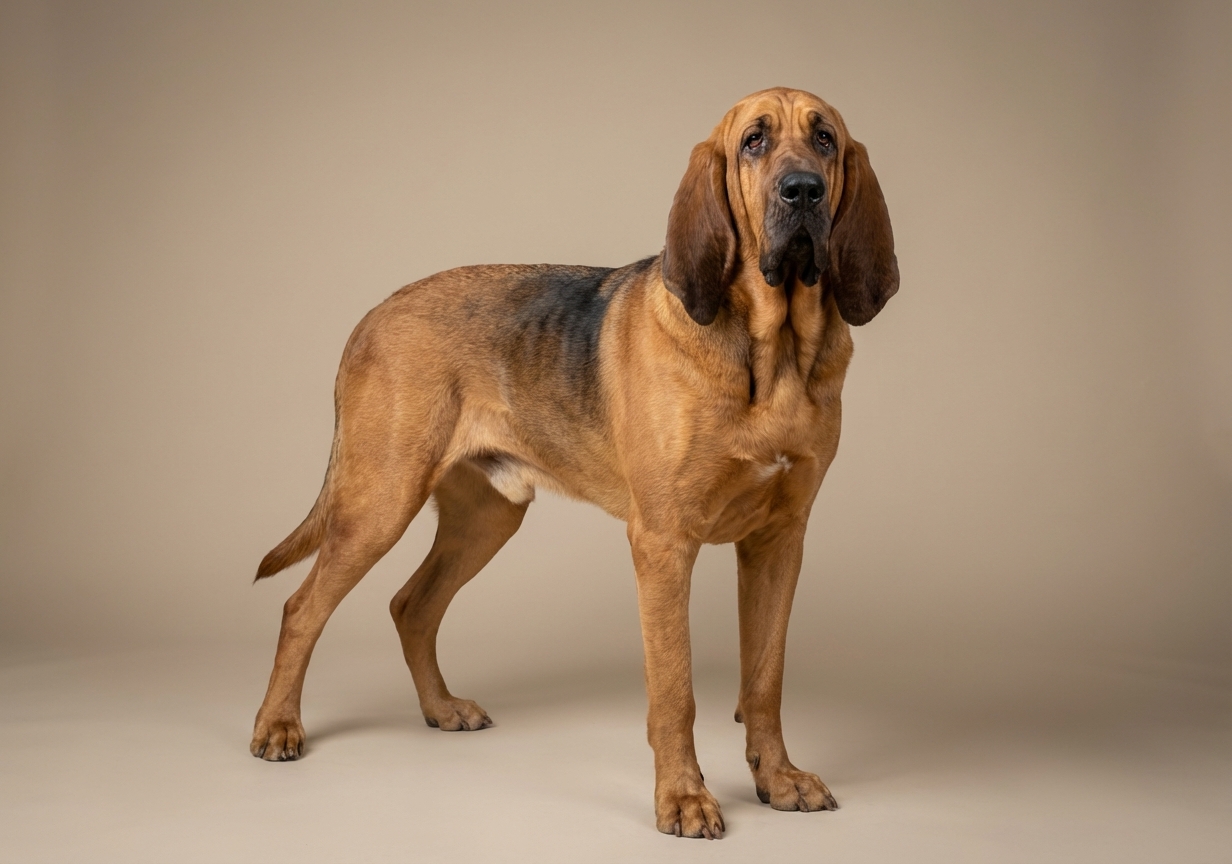
Quick Answer: Bloodhound Safe Temperature Limits
Optimal safe walking range for the Bloodhound (Hound group, short short): 50°F to 69°F (10°C to 21°C), with acute thermal danger below 32°F (0°C) or above 85°F (29°C).
Safe Walking Temperature Chart for Bloodhounds
| Safety Level | Air Temperature | Action |
|---|---|---|
| 🔴 Danger Zone (Cold) | Under 32°F (0°C) | Severe frostbite risk for Bloodhounds. Avoid outdoor walks. |
| 🟡 Caution Zone (Cold) | 32°F - 49°F (0°C - 9°C) | Limit Bloodhound outing duration; use winter gear. |
| 🟢 Safe Zone | 50°F - 69°F (10°C - 21°C) | Ideal weather window for normal Bloodhound exercise. |
| 🟡 Caution Zone (Heat) | 70°F - 84°F (21°C - 29°C) | Watch Bloodhound panting; test asphalt 7 seconds. |
| 🔴 Danger Zone (Heat) | 85°F+ (29°C+) | Acute Bloodhound heatstroke & pad burn danger indoors only. |
Veterinary Climate & Thermoregulation Profile
An ancient, heavy scenthound renowned for unparalleled olfactory trailing capability, the Bloodhound possesses a short, weatherproof coat, extremely loose, thin skin arranged in deep folds, and long, low-hanging pendulous ears. While their muscular build and outdoor resilience allow for solid endurance across varied countryside, their unique cranial and ear anatomy creates specific environmental vulnerabilities: their ear tips drag in caustic road chemicals and freezing slush, while their loose facial folds trap moisture.
Key Anatomical & Environmental Vulnerabilities
- Pendulous ear tip frostbite and chemical dermatitis: Long ears drag near the ground during trailing, soaking up toxic de-icing salts, icy slush, and road chemicals that cause chemical burns and frostbite.
- Intertrigo and bacterial fold dermatitis: Trapped humidity and rain in deep facial and neck wrinkles create an ideal incubator for painful bacterial and Malassezia yeast infections.
- Scent-induced hypothermia or heatstroke: When locked on an olfactory trail, Bloodhounds become scent-blind to internal thermal stress, ignoring severe shivering or heat exhaustion.
In winter, wipe ear tips and facial folds with warm water and dry with a clean towel immediately after every walk; use a snood or head wrap in deep snow. In summer, cap walks below 75°F (24°C), inspect skin folds daily for redness or moisture, and ensure copious clean drinking water.
Walking Your Bloodhound in Freezing Temps?
Thin-coated breeds lose body heat fast. Compare top-tested winter dog booties & cold-weather jackets.
Everyday Walking Essentials for Bloodhounds
Sponsored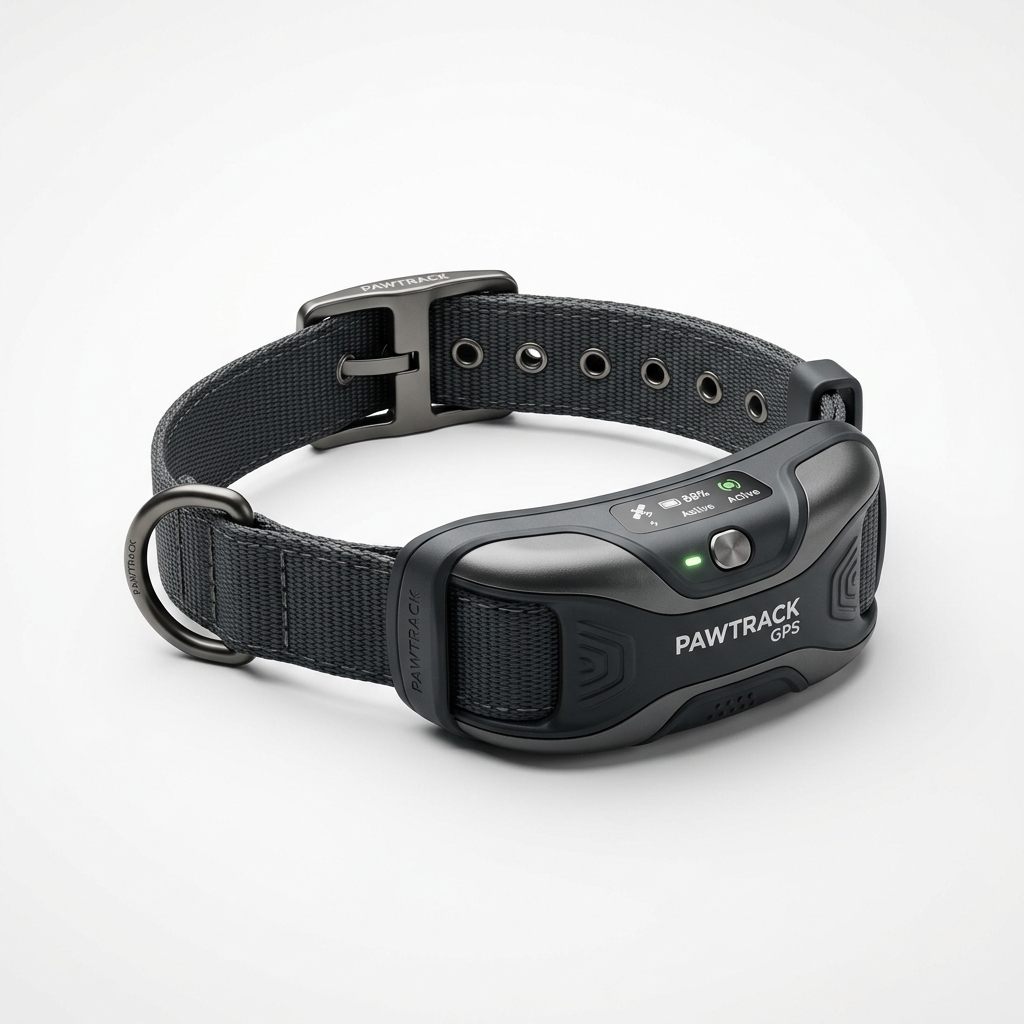
Frequently Asked Questions: Walking a Bloodhound
Q: How do winter sidewalk salts affect a Bloodhound's ears?
Because a Bloodhound's ears hang so low, they drag across sidewalks treated with rock salt and calcium chloride, causing severe chemical burns, dermatitis, and frostbite. Use a snood or ear wrap to elevate their ears during winter walks.
Q: Can Bloodhounds handle hot summer weather?
Bloodhounds have moderate heat tolerance and can overheat quickly if tracking or walking in direct sunlight above 75°F (24°C). Their heavy frame and loose skin make evaporative cooling less efficient.
Q: What is the safest temperature range for walking a Bloodhound?
The ideal walking temperature for a Bloodhound is between 35°F (2°C) and 70°F (21°C). Below 25°F (-4°C) or above 75°F (24°C), walks should be shortened and monitored closely.
Bloodhound Health & Safety
The Bloodhound requires careful monitoring during extreme weather. Known for being gentle, friendly, independent, alert, devoted, affectionate, owners must adjust walk times to protect their paw pads and prevent heat exhaustion.