When is it Safe to Walk a Dutch Shepherd? Safe Temperature Range & Walking Tolerance Chart

Quick Answer: Dutch Shepherd Safe Temperature Limits
Optimal safe walking range for the Dutch Shepherd (Herding group, short short): 50°F to 69°F (10°C to 21°C), with acute thermal danger below 32°F (0°C) or above 85°F (29°C).
Safe Walking Temperature Chart for Dutch Shepherds
| Safety Level | Air Temperature | Action |
|---|---|---|
| 🔴 Danger Zone (Cold) | Under 32°F (0°C) | Severe frostbite risk for Dutch Shepherds. Avoid outdoor walks. |
| 🟡 Caution Zone (Cold) | 32°F - 49°F (0°C - 9°C) | Limit Dutch Shepherd outing duration; use winter gear. |
| 🟢 Safe Zone | 50°F - 69°F (10°C - 21°C) | Ideal weather window for normal Dutch Shepherd exercise. |
| 🟡 Caution Zone (Heat) | 70°F - 84°F (21°C - 29°C) | Watch Dutch Shepherd panting; test asphalt 7 seconds. |
| 🔴 Danger Zone (Heat) | 85°F+ (29°C+) | Acute Dutch Shepherd heatstroke & pad burn danger indoors only. |
Veterinary Climate & Thermoregulation Profile
A versatile, athletic continental herding breed developed in the Netherlands, the Dutch Shepherd features a distinctive brindle double coat with a woolly undercoat (available in short, long, and rough-hair varieties). Endowed with boundless working energy and physical toughness, Dutch Shepherds comfortably handle cold, wet Northern European conditions down to 20°F (-7°C). However, like their Malinois cousins, their extreme focus and drive can cause them to ignore physical fatigue cues in high summer heat.
Key Anatomical & Environmental Vulnerabilities
- Drive-induced exertional hyperthermia: Their intense herding and working focus will cause them to sprint relentlessly in summer warmth (>78°F / 26°C), masking early heatstroke symptoms.
- Pad abrasions on frozen gravel and crusted ice: High-speed cornering on frozen winter surfaces causes micro-tears and full-thickness pad lacerations.
- Wet cold chilling during inactive rest: If soaked in near-freezing rain (33°F-40°F), lack of continuous movement leads to rapid evaporative heat loss.
In winter, Dutch Shepherds enjoy active walks down to 20°F (-7°C); dry their undercoat thoroughly after sleet or wet snow. In summer, restrict high-speed running to dawn hours below 75°F (24°C), and always carry water for hydration breaks.
Walking Your Dutch Shepherd in Freezing Temps?
Thin-coated breeds lose body heat fast. Compare top-tested winter dog booties & cold-weather jackets.
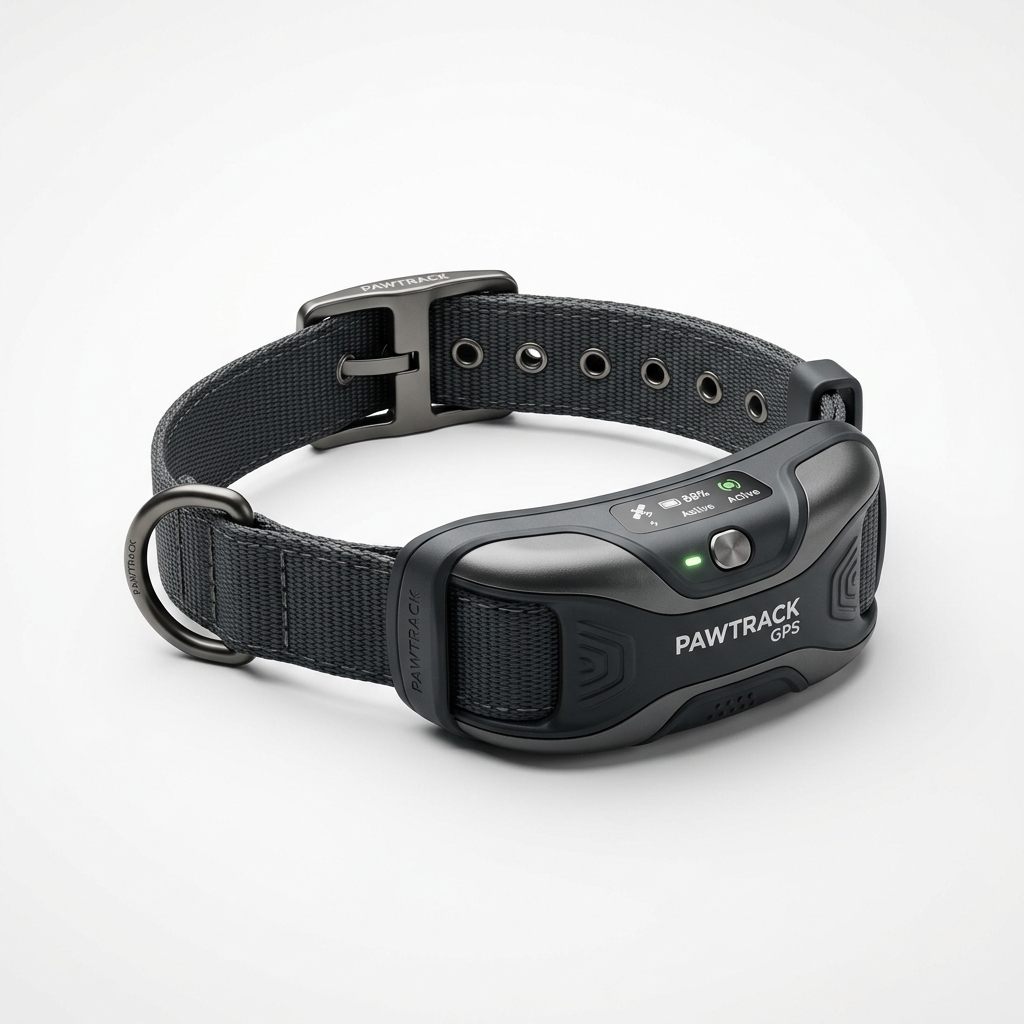
Everyday Walking Essentials for Dutch Shepherds
Sponsored
Frequently Asked Questions: Walking a Dutch Shepherd
Q: How cold-tolerant is a Dutch Shepherd?
Healthy adult Dutch Shepherds with their natural double coats comfortably handle temperatures down to 20°F (-7°C) during active exercise. Provide boots if walking on chemically salted roads.
Q: Can a Dutch Shepherd run and train in summer heat?
Intense running should be restricted to early morning hours below 75°F (24°C). While athletic, their dark brindle coat absorbs solar heat, and their working drive can lead to exertional heat exhaustion.
Q: Do Dutch Shepherds need winter coats in the snow?
Active adult Dutch Shepherds typically do not need winter coats in temperatures above 20°F (-7°C) as long as they are moving. For slow leashed walks or sub-freezing winds, an insulated shell is beneficial.
Dutch Shepherd Health & Safety
As a highly cherished breed, the Dutch Shepherd is famously intelligent, loyal, alert, energetic, athletic, work-focused, independent. It is crucial for Dutch Shepherd owners to always check the pavement temperature before heading outside for their daily walk.