When is it Safe to Walk a Border Terrier? Safe Temperature Range & Walking Tolerance Chart
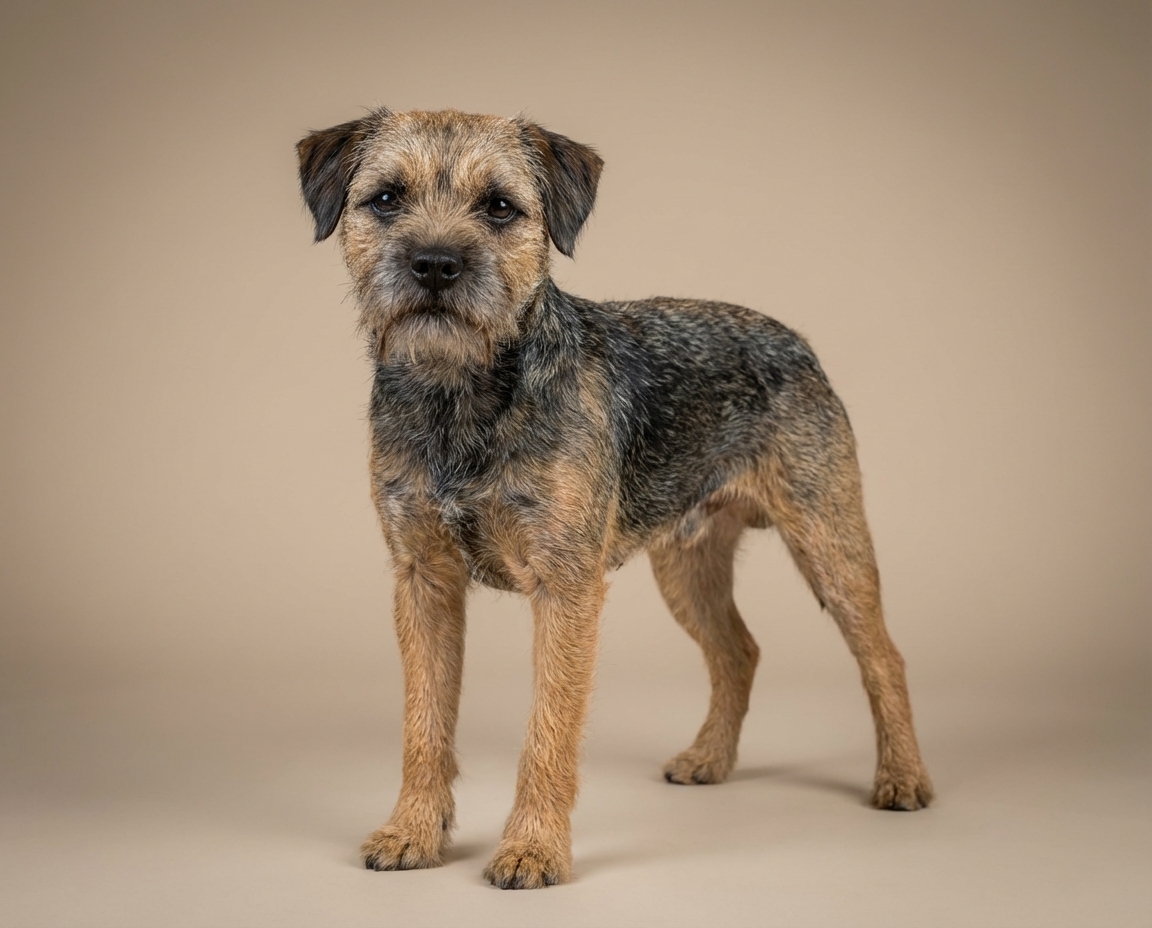
Quick Answer: Border Terrier Safe Temperature Limits
Optimal safe walking range for the Border Terrier (Terrier group, short wire): 50°F to 69°F (10°C to 21°C), with acute thermal danger below 32°F (0°C) or above 85°F (29°C).
Safe Walking Temperature Chart for Border Terriers
| Safety Level | Air Temperature | Action |
|---|---|---|
| 🔴 Danger Zone (Cold) | Under 32°F (0°C) | Severe frostbite risk for Border Terriers. Avoid outdoor walks. |
| 🟡 Caution Zone (Cold) | 32°F - 49°F (0°C - 9°C) | Limit Border Terrier outing duration; use winter gear. |
| 🟢 Safe Zone | 50°F - 69°F (10°C - 21°C) | Ideal weather window for normal Border Terrier exercise. |
| 🟡 Caution Zone (Heat) | 70°F - 84°F (21°C - 29°C) | Watch Border Terrier panting; test asphalt 7 seconds. |
| 🔴 Danger Zone (Heat) | 85°F+ (29°C+) | Acute Border Terrier heatstroke & pad burn danger indoors only. |
Veterinary Climate & Thermoregulation Profile
Originating in the rugged Cheviot Hills along the Anglo-Scottish border, the Border Terrier was bred to work alongside foxhounds and bolt foxes from subterranean dens in harsh, wind-swept moorlands. Endowed with a distinctive 'otter head' and a dense, weather-resistant double coat consisting of a harsh, wiry outer coat and a dense, short undercoat, they possess outstanding cold resilience for their compact size (11-15 lbs). However, their hand-stripped coat requires maintenance to preserve its weatherproofing, and their high terrier drive requires careful monitoring in hot weather.
Key Anatomical & Environmental Vulnerabilities
- Loss of weatherproofing after clipping or shedding: If clipped with electric clippers instead of hand-stripped, their harsh wiry coat softens and absorbs freezing water, dropping cold tolerance by 15°F.
- Snowball clumping and interdigital burrs: Wiry leg furnishings gather icy snow clumps and abrasive burrs that can cause limping and pad lacerations.
- Burrowing drive in extreme weather: Their intense desire to dig and explore small burrows can lead to rapid heat exhaustion in summer or entrapment under frozen snowdrifts in winter.
In winter, Border Terriers enjoy active walks down to 25°F (-4°C); if clipped, add a fleece jacket below 35°F (2°C) and inspect paws for ice balls. In summer, exercise in early mornings below 78°F (26°C), and always provide access to shaded recovery spots.
Walking Your Border Terrier in Freezing Temps?
Thin-coated breeds lose body heat fast. Compare top-tested winter dog booties & cold-weather jackets.
Everyday Walking Essentials for Border Terriers
Sponsored
Frequently Asked Questions: Walking a Border Terrier
Q: Can Border Terriers walk in deep snow and cold weather?
Yes. A properly coated Border Terrier with a harsh, hand-stripped double coat thrives in snow down to 25°F (-4°C). If their coat has been clipped with clippers, provide an insulated sweater.
Q: Does clipping a Border Terrier's coat affect their weather protection?
Yes. Electric clipping softens the coat and removes the protective wiry outer layer, allowing rain and snow to soak through to the skin. Hand-stripping preserves their natural weatherproofing and mud resistance.
Q: What temperature is too hot for a Border Terrier?
Temperatures exceeding 78°F (26°C), especially with high humidity, require caution. Limit vigorous exercise to early morning hours and watch for heavy panting.
Border Terrier Health & Safety
As a highly cherished breed, the Border Terrier is famously affectionate, intelligent, alert, energetic, courageous, adaptable. It is crucial for Border Terrier owners to always check the pavement temperature before heading outside for their daily walk.