When is it Safe to Walk a Nova Scotia Duck Tolling Retriever?

Quick Answer
The Nova Scotia Duck Tolling Retriever is known for being intelligent, outgoing, alert, affectionate, playful, high-energy. The Nova Scotia Duck Tolling Retriever is a medium-sized breed of gun dog that originated in Nova Scotia. It is an active and energetic breed, with a short, wavy coat. Its head is large and round, with small, erect ears. Its legs are strong and muscular, and its tail is usually docked. The Nova Scotia Duck Tolling Retriever is an intelligent and loyal breed, and it makes an excellent family pet. It is an active breed, and it needs plenty of exercise and mental stimulation. It is loyal and affectionate, and it enjoys spending time with its family. Double-coated and thick-coated breeds like the Nova Scotia Duck Tolling Retriever trap heat against their bodies, making them highly susceptible to heatstroke in temperatures over 75°F (24°C). Conversely, this thick insulation makes them incredibly resilient and eager to walk during freezing winter months. Walking your Nova Scotia Duck Tolling Retriever in extreme temperatures without precautions can quickly lead to paw pad injuries, heat exhaustion, or hypothermia.
Always check our live forecast gauge above before heading out, and remember that ground temperatures are often significantly hotter than the air.
Safe Walking Temperature Chart for Nova Scotia Duck Tolling Retrievers
| Safety Level | Air Temperature | Action |
|---|---|---|
| 🔴 Danger Zone (Cold) | Under 10°F (-12°C) | High risk of frostbite and hypothermia. Avoid walking. |
| 🟡 Caution Zone (Cold) | 10°F - 31°F (-12°C - -1°C) | Limit walks. Use protective winter gear. |
| 🟢 Safe Zone | 32°F - 69°F (0°C - 21°C) | Optimal conditions for a normal walk. |
| 🟡 Caution Zone (Heat) | 70°F - 74°F (21°C - 23°C) | Monitor for panting. Test pavement for 7 seconds. |
| 🔴 Danger Zone (Heat) | 75°F+ (24°C+) | High risk of heatstroke and paw burns. Stay indoors. |
The 7-Second Rule & Winter Shiver Test
Before taking your Nova Scotia Duck Tolling Retriever for their daily walk, always perform the 7-Second Rule. Place the back of your hand flat against the asphalt. If you cannot comfortably hold it there for 7 full seconds, it is too hot for your Nova Scotia Duck Tolling Retriever's paws. In winter, if your dog is shivering or lifting their paws, bring them inside immediately.
Winter Protection Gear for Nova Scotia Duck Tolling Retrievers
Sponsored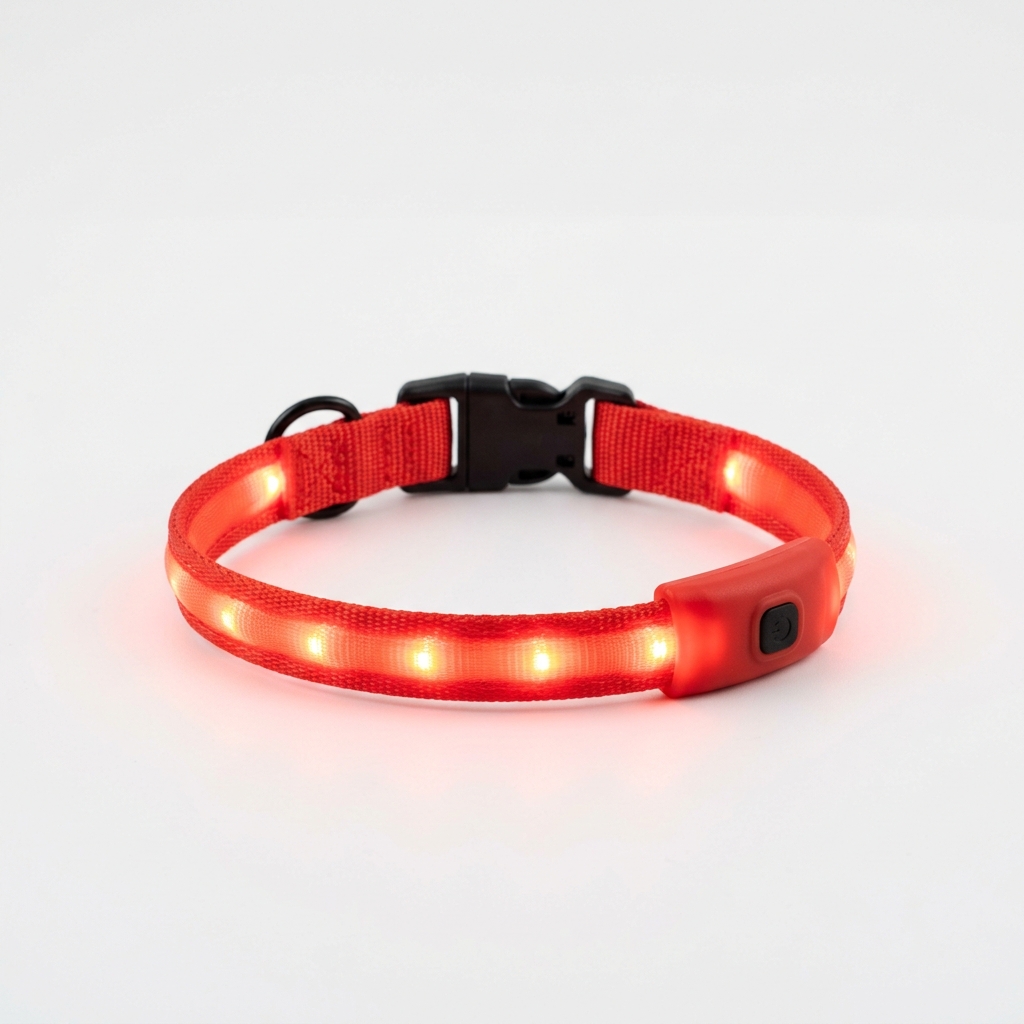
LED Safety Collar
Check Price on Amazon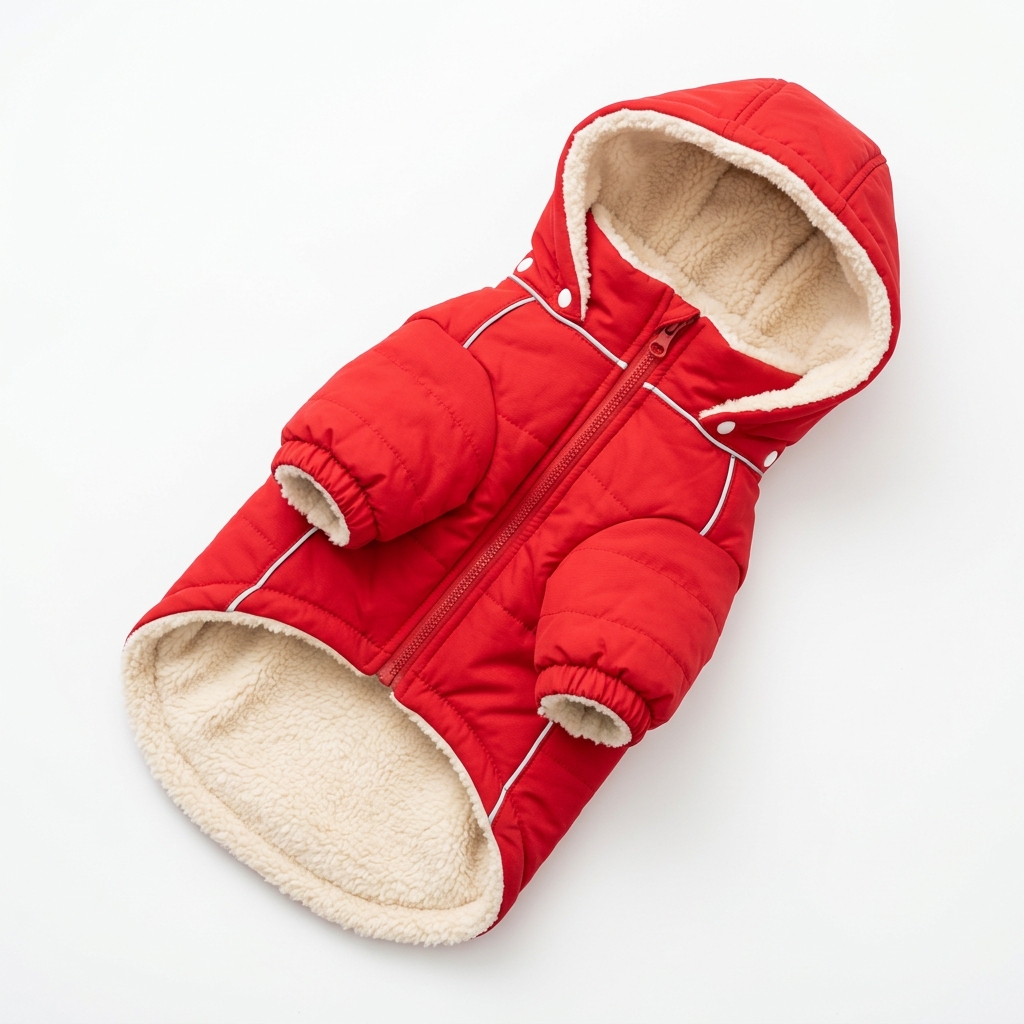
Heated Winter Jacket
Check Price on Amazon
Fleece Winter Coat
Check Price on Amazon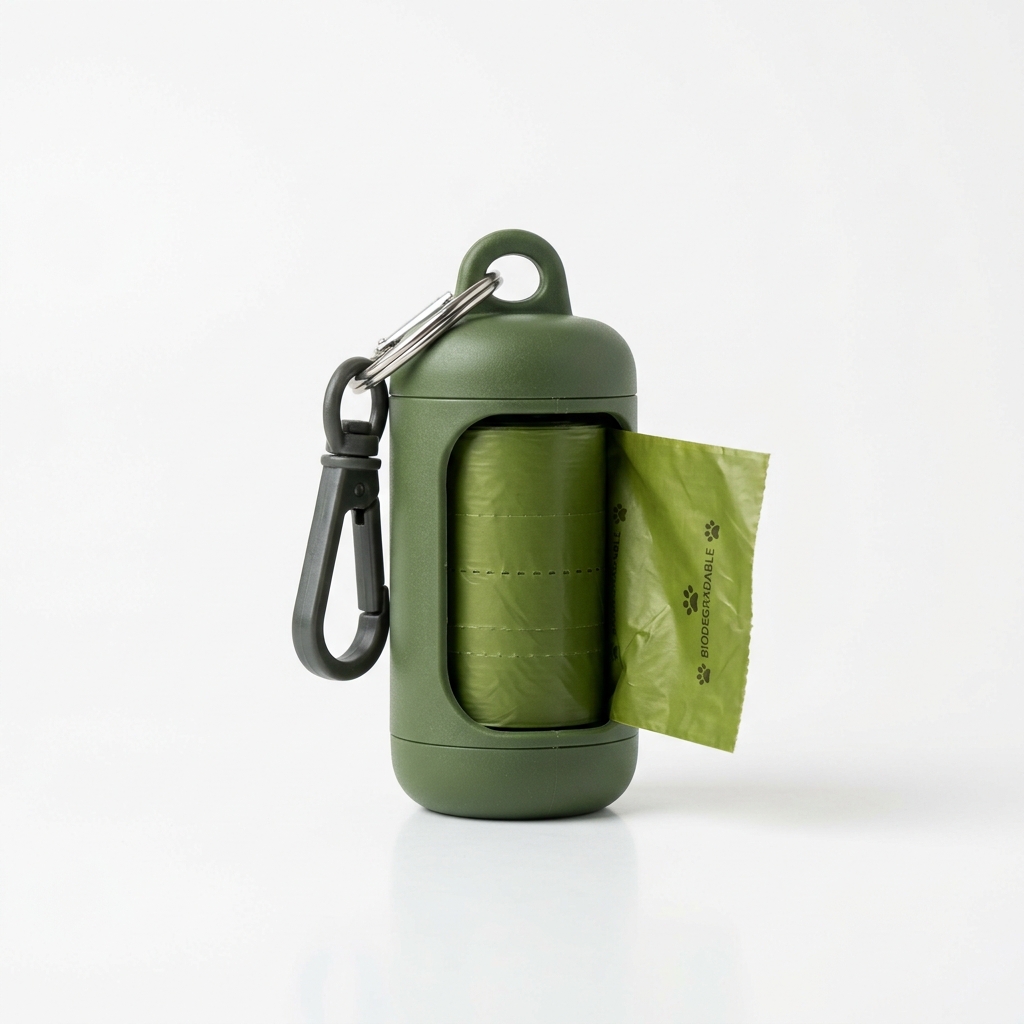
Heavy Duty Poop Bags
Check Price on Amazon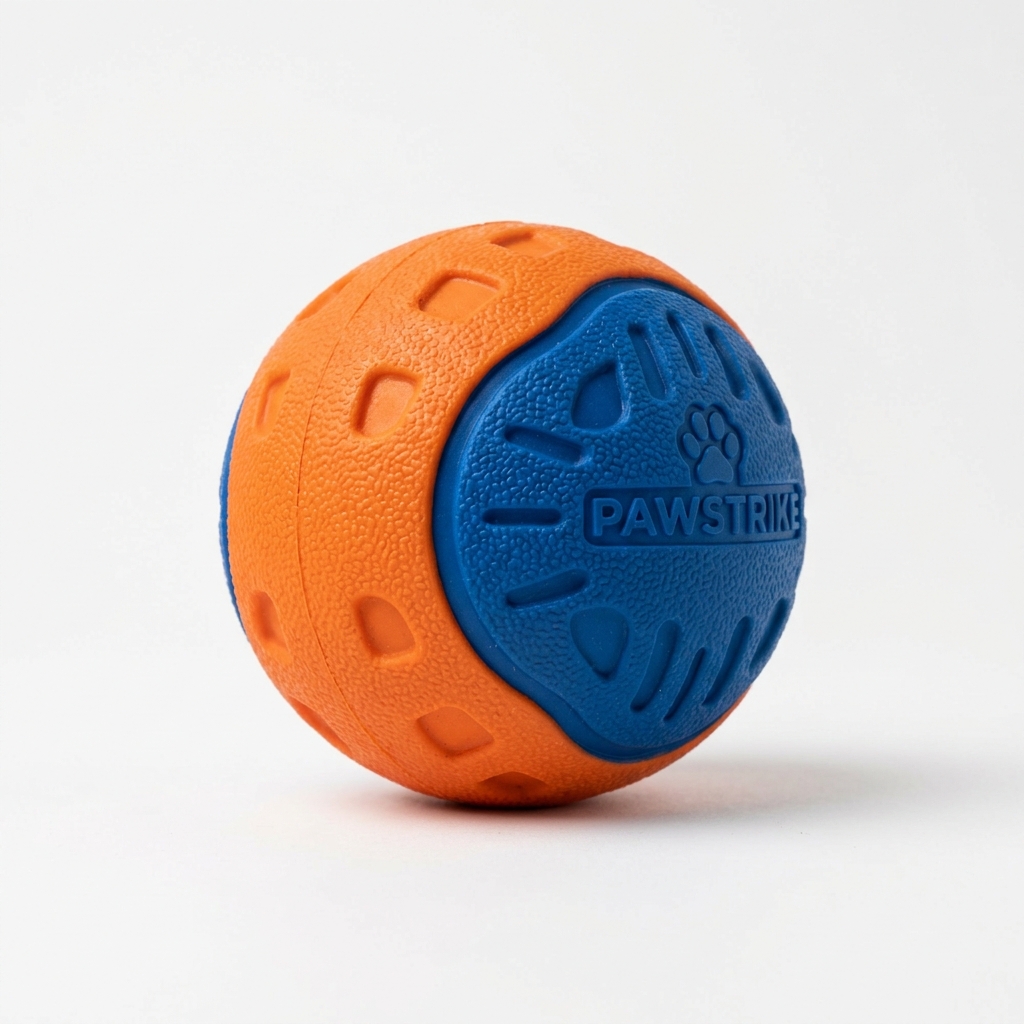
Chuckit! Ultra Ball
Check Price on Amazon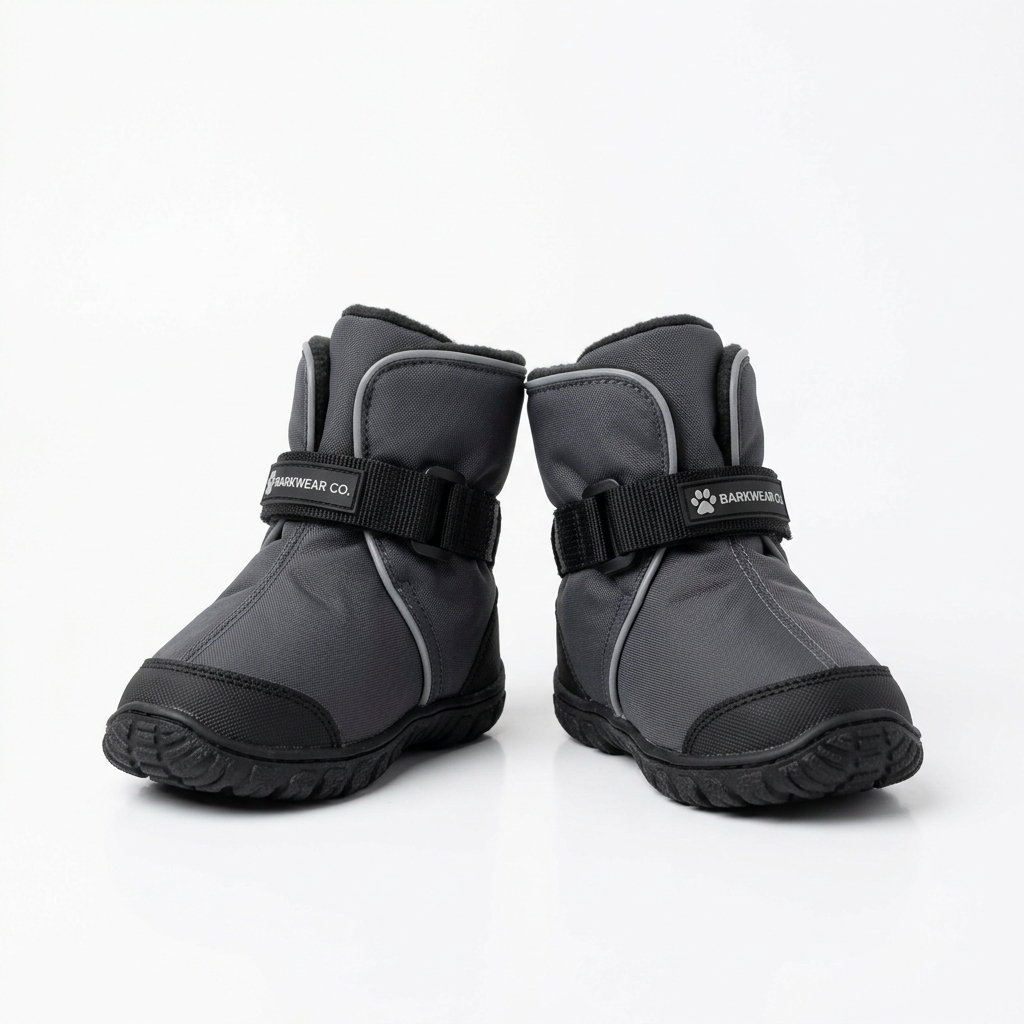
Yaktrax Ice Cleats
Check Price on Amazon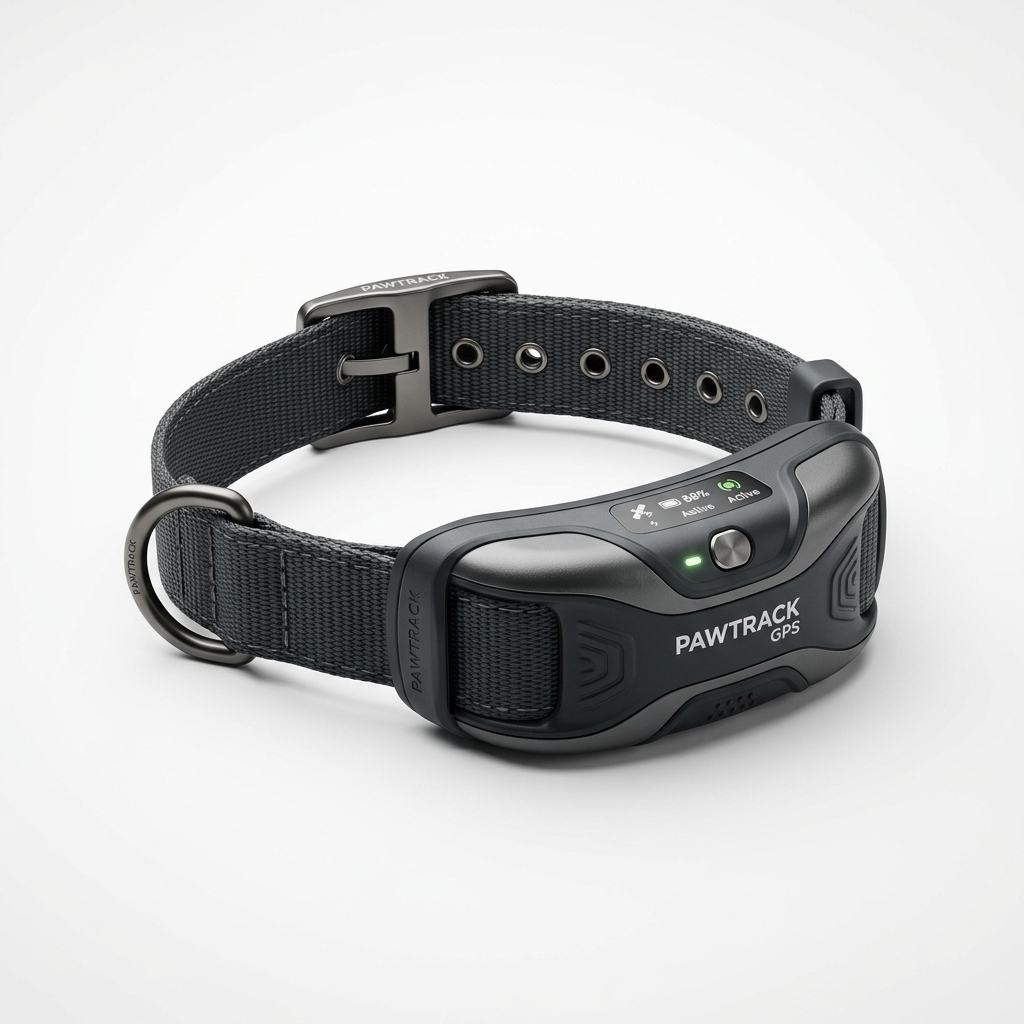
Fi Series 3 GPS Tracker
Check Price on Amazon
Pet Grooming Wipes
Check Price on AmazonNova Scotia Duck Tolling Retriever Health & Safety
The Nova Scotia Duck Tolling Retriever requires careful monitoring during extreme weather. Known for being intelligent, energetic, playful, outgoing, alert, affectionate, owners must adjust walk times to protect their paw pads and prevent heat exhaustion.