PawsForecast

Protect your dog from extreme weather. Instantly calculate your breed's safe walking temperature to prevent heatstroke and frostbite, and discover dog-friendly hangouts nearby.

When is it Safe to Walk a Black And Tan Coonhound?

A healthy Black and Tan Coonhound

Quick Answer

The Black and Tan Coonhound is known for being outgoing, friendly, determined, independent, affectionate, vocal. The Black and Tan Coonhound is a large and muscular breed of dog that was originally bred for hunting raccoons. They are intelligent, energetic, and determined, and make excellent hunting dogs. While the Black and Tan Coonhound has a short coat which allows for better heat dissipation, their exposed skin is prone to sunburn. More importantly, they have very little natural protection against the cold, making them highly susceptible to hypothermia and frostbite in winter weather. Walking your Black and Tan Coonhound in extreme temperatures without precautions can quickly lead to paw pad injuries, heat exhaustion, or hypothermia.

Always check our live forecast gauge above before heading out, and remember that ground temperatures are often significantly hotter than the air.

Safe Walking Temperature Chart for Black and Tan Coonhounds

Safety Level Air Temperature Action
🔴 Danger Zone (Cold) Under 32°F (0°C) High risk of frostbite and hypothermia. Avoid walking.
🟡 Caution Zone (Cold) 32°F - 49°F (0°C - 9°C) Limit walks. Use protective winter gear.
🟢 Safe Zone 50°F - 69°F (10°C - 21°C) Optimal conditions for a normal walk.
🟡 Caution Zone (Heat) 70°F - 84°F (21°C - 29°C) Monitor for panting. Test pavement for 7 seconds.
🔴 Danger Zone (Heat) 85°F+ (29°C+) High risk of heatstroke and paw burns. Stay indoors.

The 7-Second Rule & Winter Shiver Test

Before taking your Black And Tan Coonhound for their daily walk, always perform the 7-Second Rule. Place the back of your hand flat against the asphalt. If you cannot comfortably hold it there for 7 full seconds, it is too hot for your Black And Tan Coonhound's paws. In winter, if your dog is shivering or lifting their paws, bring them inside immediately.

Everyday Walking Essentials for Black And Tan Coonhounds

Sponsored
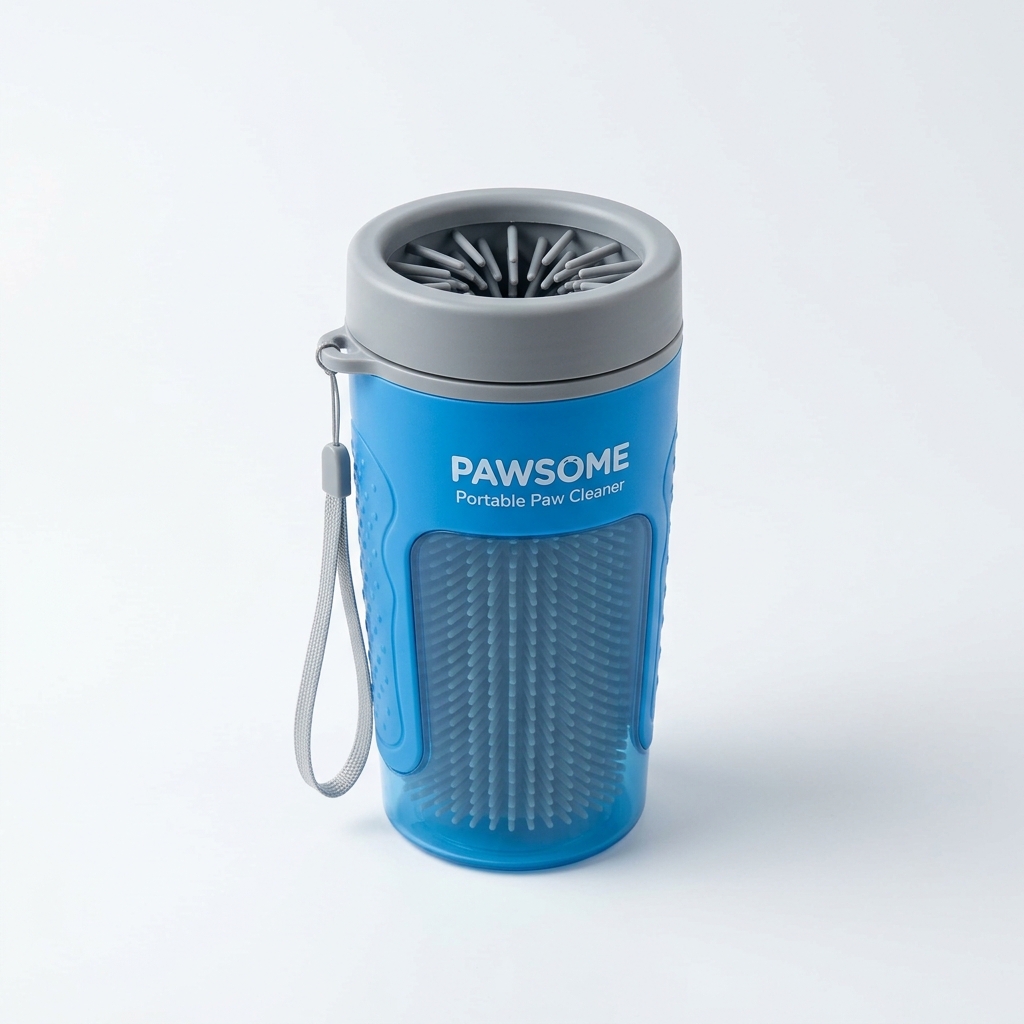
Portable Paw Cleaner

Portable Paw Cleaner

Check Price on Amazon
Furbo 360° Dog Camera

Furbo 360° Dog Camera

Check Price on Amazon

Amazon Prime Free Trial

Amazon Prime Free Trial

Check Price on Amazon
Portable Water Bottle

Portable Water Bottle

Check Price on Amazon
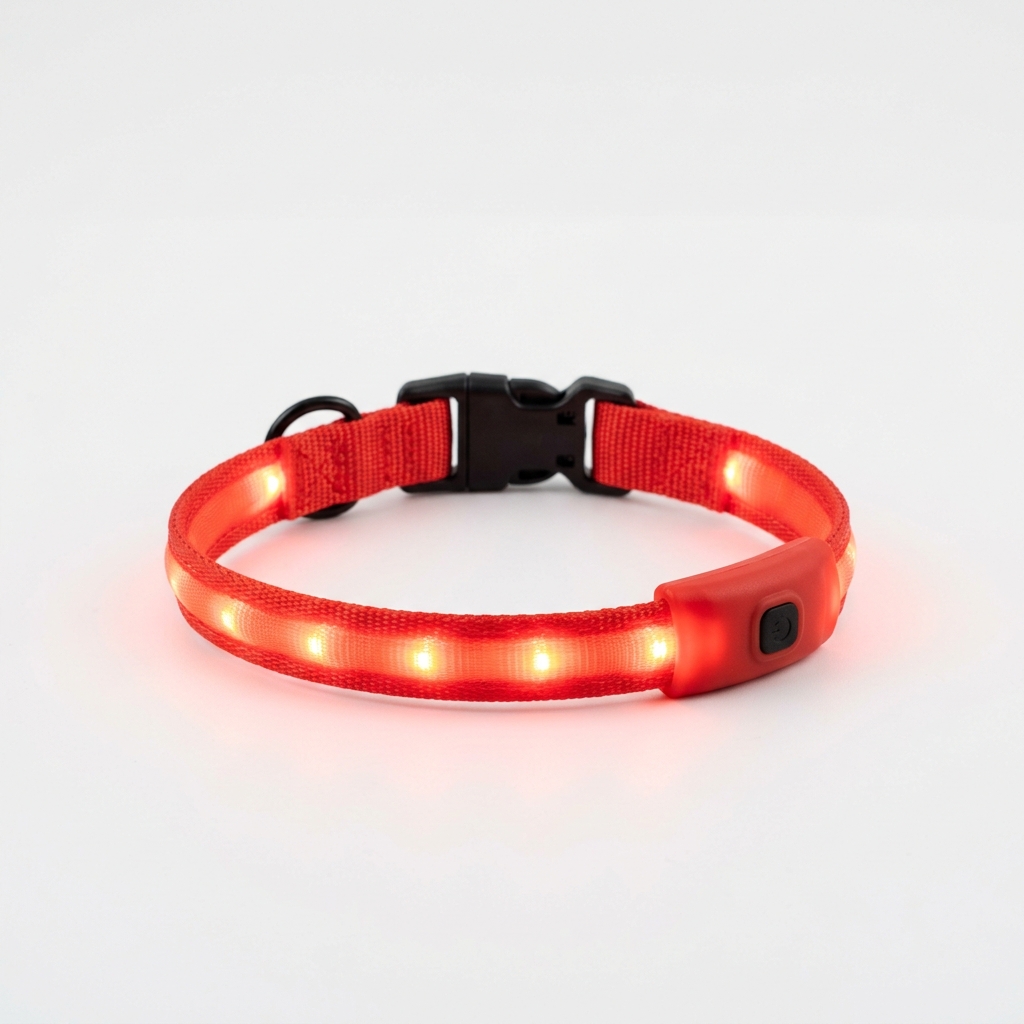
LED Safety Collar

LED Safety Collar

Check Price on Amazon
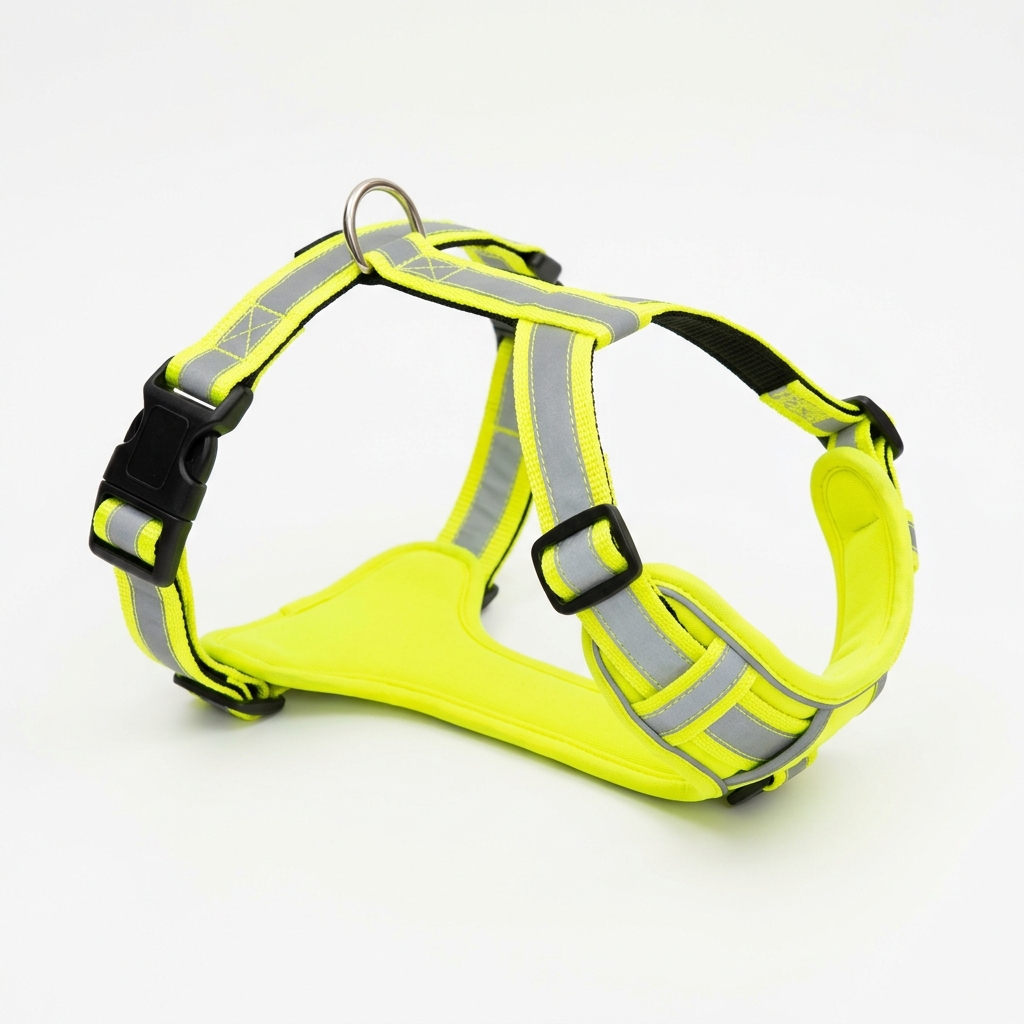
No-Pull Harness

No-Pull Harness

Check Price on Amazon
Fi Series 3 GPS Tracker

Fi Series 3 GPS Tracker

Check Price on Amazon
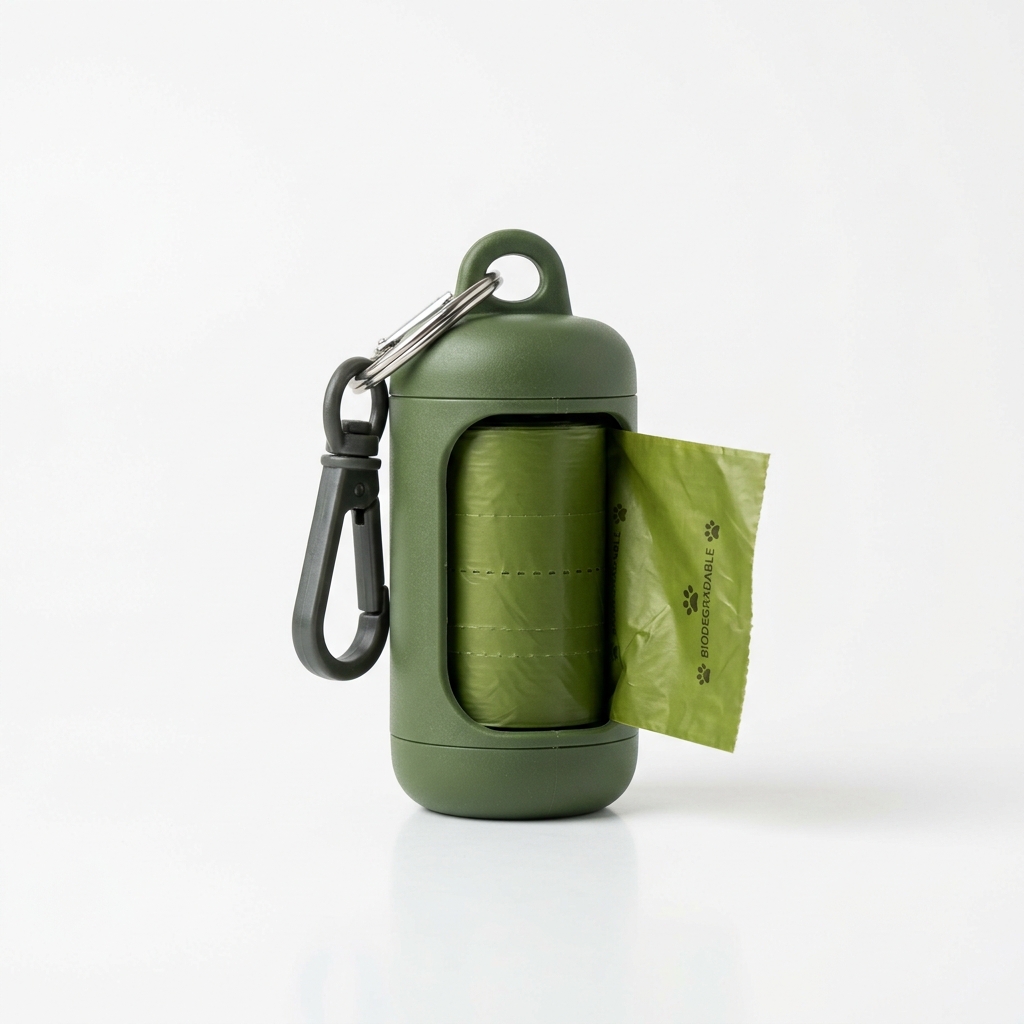
Heavy Duty Poop Bags

Heavy Duty Poop Bags

Check Price on Amazon

Black and Tan Coonhound Health & Safety

As a highly cherished breed, the Black and Tan Coonhound is famously friendly, outgoing, intelligent, alert, adaptable, easygoing. It is crucial for Black and Tan Coonhound owners to always check the pavement temperature before heading outside for their daily walk.

Black and Tan Coonhound Fast Facts

Weight65-110 lbs
HeightMale: 25-27; Female: 23-25 inches
Life Span10-12
Breed GroupHound

Breed data and imagery provided by TheDogAPI.com

Safety First

The Ultimate Weather Safety Guide

Wondering how extreme weather affects your dog? Every year, thousands of dogs suffer from heatstroke and frostbite. Here is exactly what you need to know before stepping outside.

The 7-Second Rule

Asphalt absorbs heat, making it up to 40°F (22°C) hotter than the air. Always place the back of your hand against the pavement for seven seconds. If you can't hold it there comfortably, it's too hot for your dog's paws.

Safe Temp Chart

Temperatures between 50°F (10°C) and 70°F (21°C) are generally safe. Between 70-85°F (21-29°C), use caution with heat. Over 85°F (29°C) is unsafe. Conversely, below 45°F (7°C), use caution for cold, and under 20°F (-7°C) is unsafe for most dogs without gear.

Signs of Heatstroke

Dogs pant to regulate body heat. If your dog exhibits excessive panting, drooling, lethargy, or unsteadiness, stop immediately. Move to shade, offer water, and wet their paws and belly.

Are Some Breeds More at Risk?

Yes. Brachycephalic breeds (like Bulldogs and Pugs) cannot cool down efficiently and shouldn't walk in heat over 80°F (27°C), while also struggling with extremely cold air. Double-coated breeds (like Huskies) are insulated for freezing cold but trap heat quickly in summer. Short-coated breeds (like Greyhounds) dissipate heat well but are highly prone to hypothermia in winter.

What About Winter Hazards?

Winter hazards are just as real as summer heat. Temperatures below 32°F (0°C) pose a frostbite risk to small breeds (like Chihuahuas) and thin-coated dogs (like Greyhounds). Snow and ice can also hide toxic antifreeze or sharp objects that cut paw pads. If the temperature drops below freezing, limit bathroom breaks to under 10 minutes and consider protective dog booties to guard their paws from harsh road salts.

Health & Wellness

The Incredible Benefits of Dog Walking

Beyond just a bathroom break, daily dog walking provides immense physical and mental health benefits for both you and your furry best friend. Here's why you should leash up.

Physical Health & Weight Loss

Consistent dog walking is one of the easiest ways to combat pet obesity and improve cardiovascular health. Just 30 minutes a day promotes significant weight loss and lowers blood pressure for both dogs and owners, keeping joints healthy and extending their lifespan.

Mental Health & Behavior

The mental health benefits of dog walking cannot be overstated. For humans, it drastically reduces stress and anxiety. For dogs, exposing them to new sights and smells prevents boredom, directly reducing destructive behaviors like chewing, excessive barking, and separation anxiety.

Socialization & Bonding

A daily walk builds immense trust between you and your pet. It also provides crucial socialization for dogs, teaching them how to interact calmly with other pets, people, and environments. Well-socialized dogs are significantly less aggressive and more confident in unfamiliar situations.